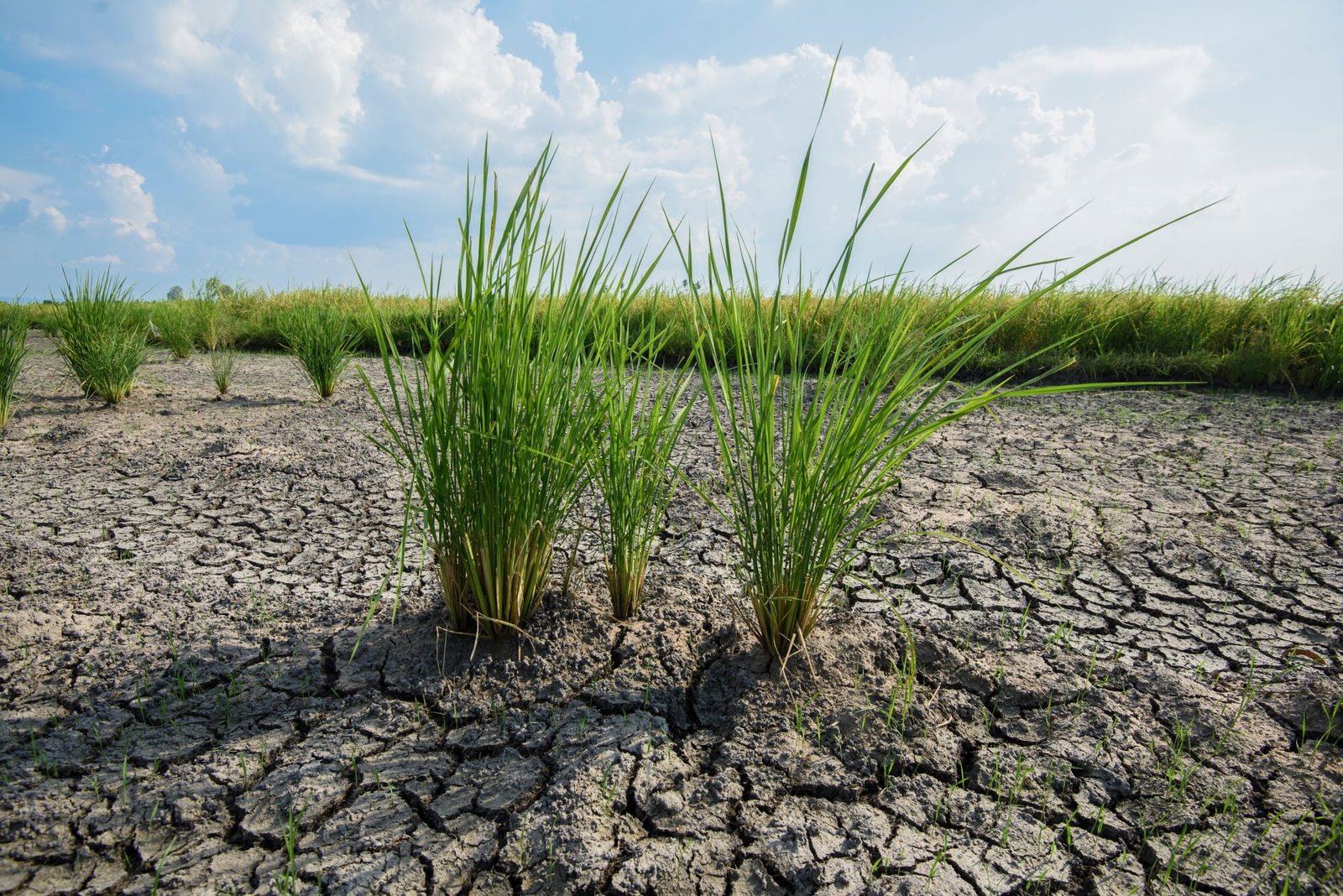

Women on the front-lines of climate change in Nigeria said their realities, struggles, and climate solutions are still missing from global conversations, despite bearing the brunt of climate impacts.
The 2025 United Nations Climate Change Conference (COP30), held from 10 to 21 November at the Hangar Convention Centre in Belém, Brazil, brought together world leaders, diplomats, and climate negotiators to discuss actions needed to address the ongoing climate crisis.
COP, held annually, focuses on keeping global temperature rise below 1.5°C, supporting vulnerable communities, and achieving net-zero emissions by 2050.
Olanike Olugboji-Daramola, founder and executive director of the Women Initiative for Sustainable Environment (WISE), said her organisation has spent over 20 years empowering women and girls to become natural resource managers, climate actors, and peacebuilders.
Speaking during a farm visit and smallholder farmer dialogue organised by WISE on Saturday in Kaduna, she expressed concern that people most affected by climate change—particularly rural women farmers—are rarely represented at high-level climate negotiations.
She noted that many of the women whose livelihoods are disrupted by unpredictable rainfall, crop failure, and land degradation are unaware that global meetings shaping their future take place every year.
Olugboji-Daramola said COP30 should have served as a platform for grassroots women to speak for themselves, but the process has been “hijacked by big players and big corporations,” leaving out those with lived climate experiences.
She described the conference space as increasingly dominated by individuals with little connection to real climate burdens, while women facing extreme weather, declining yields, land loss, and livelihood threats remain excluded.
To address this, she said WISE is creating local platforms where women can understand global processes, articulate their challenges, and highlight their leadership beyond their burdens.
The WISE director highlighted the organisation’s regenerative agriculture accelerator, which supports women farmers in returning to organic farming methods that restore biodiversity and improve soil health.
She also noted that the WISE Women Clean Cooking Training and Entrepreneurship Project has produced over 2,000 clean-cooking entrepreneurs nationwide. One of the beneficiaries from the pilot training, she said, is now among Nigeria’s leading producers of energy-efficient cookstoves.
Also present at the dialogue was Joanne Kuria of Kenya’s Association for Women’s Rights in Development (AWID). She said her visit to Nigeria was aimed at collaborating with WISE to create people-centred climate spaces on the sidelines of COP30.
Kuria said that although global negotiations are ongoing in Brazil, the real climate stories are unfolding on African soil, where women farmers are dealing with extreme temperatures, erratic rainfall, deforestation, and shrinking farmlands.
She noted that the stories she heard in Kaduna mirrored those in Kenya, highlighting shared challenges in land ownership, decision-making, and climate adaptation.
According to her, African women must build collective solidarity and approach global climate negotiations with one voice to ensure that the continent’s gendered climate realities influence global decision-making.
Rural women farmers at the gathering expressed profound frustration over their absence from global climate platforms.
Asibi Hassan, chairperson of the Sabon Gari Peace Women Multipurpose Cooperative Society, recounted losing her entire bean harvest—expected to yield seven to ten bags—to thieves.
She said insecurity, land restrictions, and multiple burdens on rural women are issues she would raise if given access to COP30.
Her greatest concern, she said, is the persistent denial of women’s rights to own land in rural communities.
Despite their hard work, she noted, structural and cultural barriers limit their access to expansive farmlands.
Hassan added that mechanised farming could enable women to achieve yields equal to or better than men, but support remains limited. She explained that late rainfall and early cessation this year severely reduced harvests.
Had she been present at COP30, she said, she would advise women to embrace timely cultivation, moisture-preserving soil practices, and climate-resilient crops.
She urged the Nigerian government to collaborate with grassroots NGOs to reach rural women with climate awareness and adaptation strategies.
She also called for the restoration of monthly sanitation to clear water channels and for sanctions against individuals who build on waterways.
Another farmer, Juliana Turaki, leader of the Gonin Gora Women Multi-Purpose Cooperative Society, said she would use the COP platform to demand that the experiences of rural women be prioritised in global climate decisions.
She said women often receive only small plots of land while men are given priority access.
Turaki added that inheritance practices overwhelmingly favour males, leaving women without land unless they can afford to buy it.
Recognising women as full agricultural players and granting them land rights, she said, would reduce suffering and strengthen food security in communities already struggling with climate change.
Other women at the dialogue said the discussions in Kaduna reflect the urgent need to rethink climate representation globally. They stressed that while negotiations continue in Brazil, the true test of climate justice lies in amplifying the voices of grassroots women farmers and ensuring they are not left behind in shaping solutions.