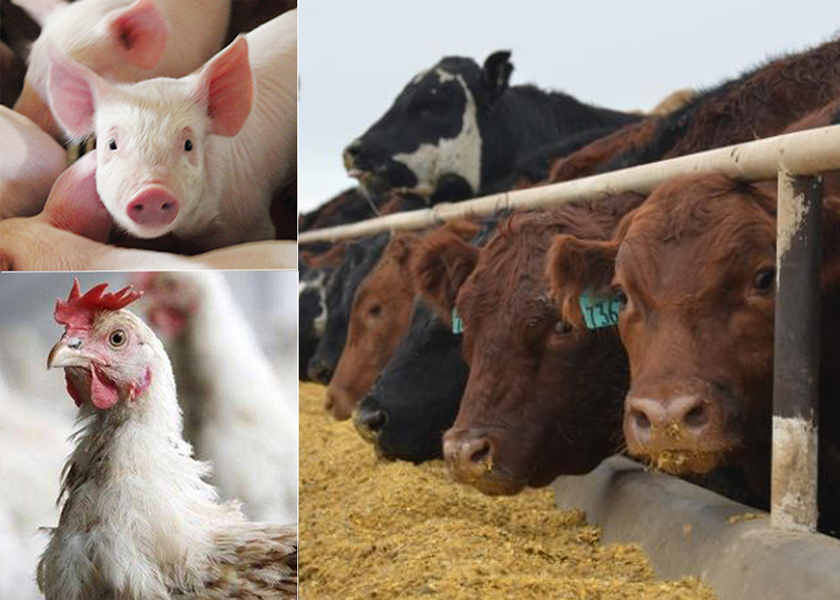

Nigeria has begun building a stronger data foundation for climate action in the livestock sector, with a specialised training programme aimed at improving how methane emissions are measured and reported across the country.
The two day capacity building exercise opened in Abuja on Monday, December 15, 2025, bringing together field enumerators who will play a key role in gathering emissions data needed for national climate planning and sustainable livestock development.
Speaking during the sessions, Sustainability Analyst Mr Joshua Omozoje focused on the growing importance of methane control within the livestock industry, describing the gas as a major contributor to climate change.
He introduced participants to the Netzence Close Carbon Technology, a digital system designed to capture accurate emissions data directly from livestock locations.
According to him, the Close Carbon Platform uses connected sensing devices to record methane outputs and transmit the information securely to a central registry.
This approach ensures that data remains reliable and protected from interference while supporting transparent tracking of emission levels.
He added that the system allows for greenhouse gas measurement, reporting and verification and also supports the creation of carbon reduction instruments through blockchain based records.
The training also covered technical fundamentals such as setting emission boundaries, determining baseline values, applying international standards including ISO 14064 and IPCC guidelines and translating methane reductions into carbon dioxide equivalents.
Facilitators explained that reliable and verifiable data will enhance Nigeria’s Nationally Determined Contributions and improve access to climate finance opportunities while opening pathways into global carbon markets for livestock producers.
Another key session was led by Mr Joshua Fiafiadumo Edward, who addressed the ethical and legal responsibilities involved in data collection.
He reminded participants of the need to comply strictly with the Nigeria Data Protection Act of 2023, stressing confidentiality, informed consent and the protection of sensitive national and agricultural information.