
Policymakers in Europe and Nigeria have rolled out new frameworks to expand state support for farmers, stabilise incomes and strengthen domestic production capacity.
In Brussels, agriculture has been drawn directly into the European Union’s wider debate on security and strategic autonomy.
At an extraordinary meeting of EU agriculture ministers held on January 7, the European Commission signalled that food supply is now viewed as a matter of sovereignty, not simply farm policy.
The discussions came against a backdrop of unstable global markets, extreme weather and production costs that remain far above pre-pandemic levels.
The Commission’s response centres on protecting farmer incomes while maintaining large scale production across the bloc. A key pillar is the safeguarding of funding under the Common Agricultural Policy, which officials describe as the backbone of Europe’s farm economy. Under current proposals, a National and Regional Partnership Fund valued at about 293.7 billion euros would be used to provide predictable income support and encourage long term investment by farmers in all member states.
Risk management has also moved up the agenda. The Commission plans to reinforce its crisis reserve by creating a 6.3 billion euro Unity Safety Net, intended to cushion farmers against natural disasters, climate related shocks and outbreaks of animal disease. Officials say the measure is designed to offer quicker and more reliable support when emergencies strike.
Input costs remain another major concern. Fertiliser prices, though no longer rising sharply, are still far above historical norms. To ease pressure on farmers, the Commission is proposing temporary reductions in tariffs on key fertilisers such as ammonia and urea, with safeguards aimed at ensuring the savings reach producers rather than intermediaries. Brussels has also indicated that it will retain the ability to react quickly to sudden surges in imports that threaten domestic agriculture through a semi automatic safeguard mechanism.
Christophe Hansen, the EU Commissioner for Agriculture and Food, said farming must remain central to Europe’s economic independence. He noted that income support for farmers would be guaranteed in the next EU budget, with at least 300 billion euros ring fenced for the sector. In addition, member states would be required to devote a minimum share of their national and regional plans to rural development, potentially unlocking tens of billions of euros for infrastructure, services and innovation in farming communities.
Trade Commissioner Maroš Šefčovič underscored the urgency of action on fertilisers, warning that costs remain roughly 60 per cent higher than in 2020. He said temporary tariff relief would be paired with monitoring measures to prevent market distortions and ensure fair competition.
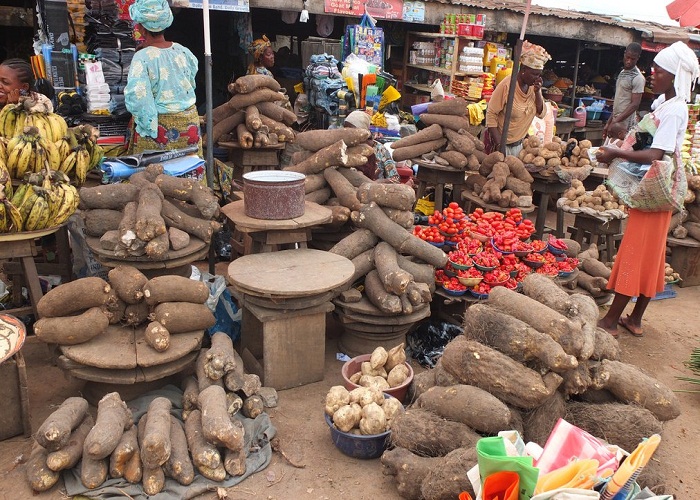
Thousands of kilometres away, a similar sense of urgency shaped discussions at Nigeria’s 31st Economic Summit, where agriculture and agribusiness were presented as central to the country’s ambition of building a more productive and inclusive economy by 2030. Organised by the Nigerian Economic Summit Group, the gathering brought together government officials and private sector leaders who argued that Nigeria must move decisively away from consumption driven growth toward domestic production.
Rather than focusing on raw commodity exports, the NESG framework places strong emphasis on value chains, agro processing and industrial linkages. Participants stressed that inconsistent policies and weak implementation have long held back agricultural growth, calling for greater discipline, coordination and accountability across federal and state governments.
The summit highlighted infrastructure, innovation and access to finance as key enablers for agribusiness expansion. Digital technologies were also identified as tools for improving efficiency, transparency and farmer access to markets and credit. To ensure reforms translate into real benefits, the NESG urged deeper decentralisation, stronger local government capacity and clearer oversight of agricultural spending.
Security and inclusion featured prominently in the discussions. The group argued that farming communities cannot thrive without protection from conflict and exclusion, and proposed closer alignment between socio economic programmes and security interventions in vulnerable regions.
To track progress, the summit recommended expanding a Citizen Delivery Tracker that would allow the public to monitor government performance on agricultural commitments.