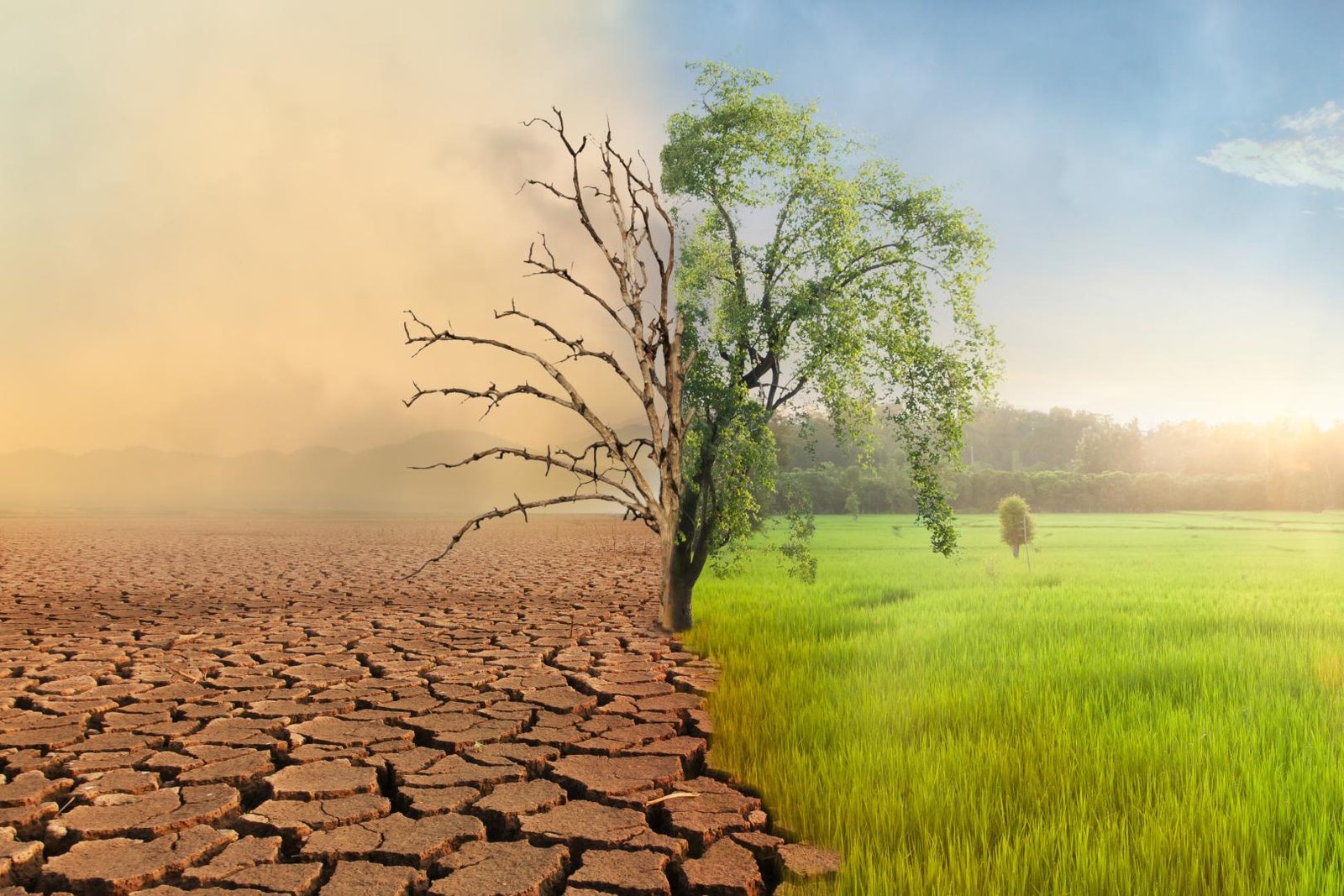

Farmers in the South West have warned that unpredictable weather patterns are threatening food production and have urged governments at all levels to prioritise irrigation farming as a long term solution.
The call was made on Thursday in Ibadan during a stakeholders meeting organised by the Development Agenda for Western Nigeria Commission at Cocoa House.
Farmers’ representatives from Oyo, Ogun, Osun, Ondo, Ekiti and Lagos states attended the meeting.
Speaking for farmers in the region, Asalu Olusegun said changing rainfall patterns had made dependence on rain fed farming increasingly risky.
He noted that extended rainfall into December was unusual and a clear sign that climate conditions had shifted permanently.
According to him, farmers must begin to plan for year round production through irrigation, stressing that the region already has resources that can be developed.
He said existing earth dams and River Basin Authorities should be revived and properly managed to support farmers and boost food supply across the South West.
Olusegun also spoke on security, saying farmers in the region were making deliberate efforts to maintain peaceful relations with herders. He explained that herders were also food producers and that conflicts often arose from outsiders rather than local stakeholders.
He added that sustained engagement involving the DAWN Commission, the Federal Ministry of Livestock and state governments had helped to improve stability in the region.
He called on farmers’ associations to unite and coordinate their efforts, arguing that collective action would improve productivity and strengthen food security.
He urged the DAWN Commission to work with state governments to convene a general assembly of farmers before the end of the month, ahead of farming activities expected to begin in February.
He said such a gathering would allow commodity groups to broaden discussions, agree on key decisions and track implementation plans for agricultural development in the region, adding that this would help secure the future for coming generations.
In his response, the Director General of the DAWN Commission, Seye Oyeleye, reaffirmed the agency’s commitment to working closely with farmers to raise agricultural output.
He said coordination among farmers’ groups was essential to accessing opportunities and support from the Federal Government, which he described as the largest financier of agriculture.
Oyeleye said fragmented efforts had weakened the region’s ability to benefit fully from national programmes in the past.
He explained that the commission was now harmonising farmers’ associations to encourage cooperation rather than competition, with the goal of achieving self-sufficiency in food production through teamwork and shared planning.