

Cloves may not be as widely cultivated in Nigeria as cocoa or ginger, but the spice holds strong economic, medicinal, and export value. As global demand for natural spices and essential oils continues to rise, cloves farming presents a growing opportunity for Nigerian farmers, agripreneurs, and investors looking to diversify into high-value crops.
Here are key facts Nigerians should know about cloves farming.
What Are Cloves?
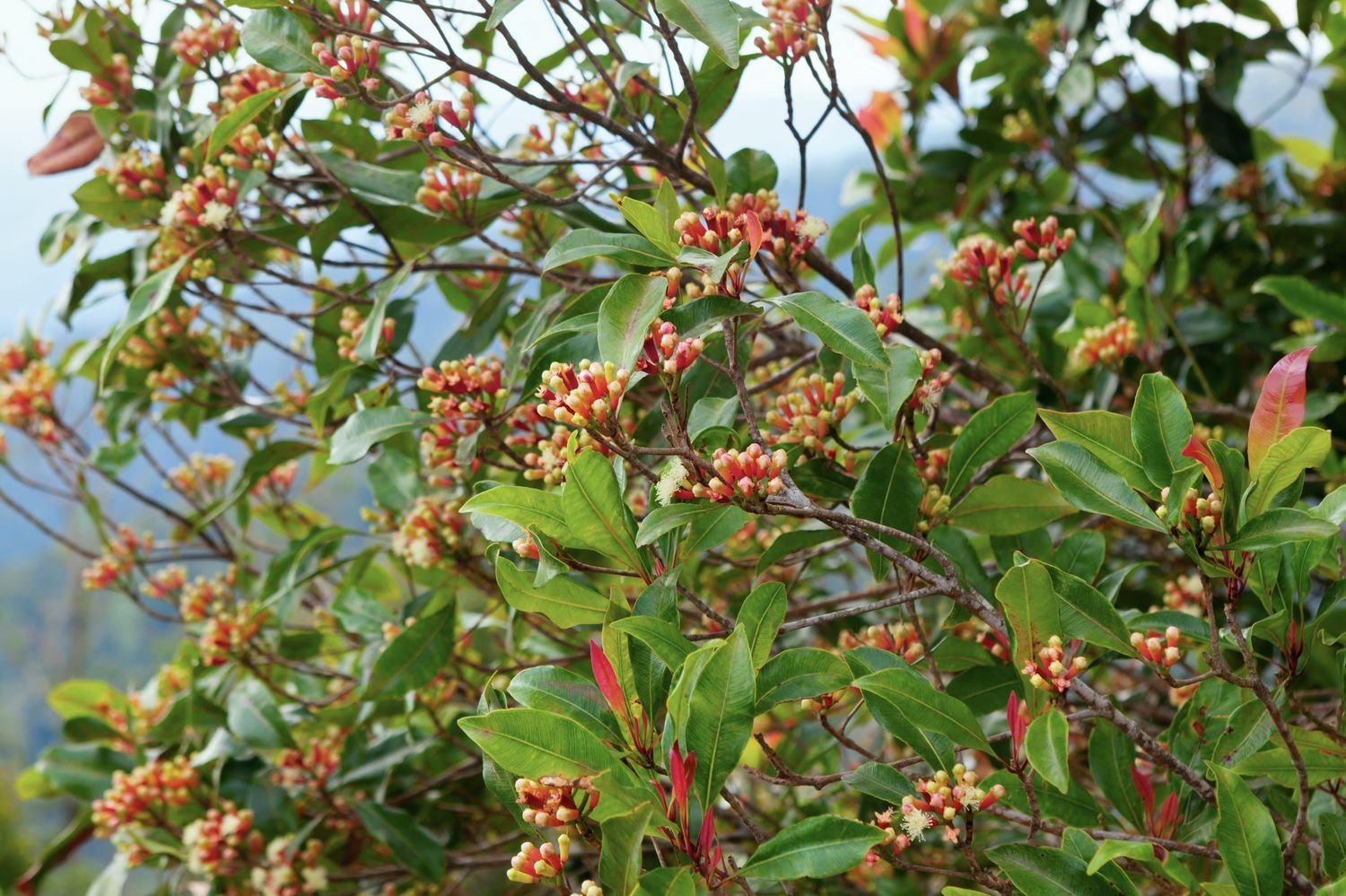
Cloves are the dried, unopened flower buds of the clove tree (Syzygium aromaticum), a tropical evergreen plant. They are commonly used as a spice in cooking, baking, pharmaceuticals, cosmetics, and for producing clove oil. Cloves are known for their strong aroma and medicinal properties, including antibacterial, antifungal, and pain-relieving qualities.
Can Cloves Grow in Nigeria?
Yes. Cloves thrive in tropical climates, making parts of southern Nigeria suitable for cultivation. The crop performs best in: Warm, humid conditions; Annual rainfall of 1,500–2,500mm; Well-drained loamy or sandy soils; Temperatures between 20°C and 30°C, States in the rainforest and derived savannah zones such as Cross River, Akwa Ibom, Rivers, Bayelsa, Ondo, Ogun, Edo, and parts of Delta have environmental conditions that can support cloves farming.
How Long Does Cloves Take to Mature?
– Cloves farming is a long-term investment.
– Clove trees start yielding after 4–6 years
– Peak production begins from 10–20 years
– A well-maintained clove tree can produce for over 60 years. This makes cloves suitable for farmers interested in perennial crops with long-term income potential.
Planting and Agronomic Requirements
Cloves are propagated mainly through seeds. Key practices include:
– Raising seedlings in a nursery for 12–18 months
– Transplanting during the rainy season
– Spacing of about 6–7 meters to allow canopy development
– Regular weeding and mulching
– Protection from strong winds and excessive sunlight during early growth stages
– Clove trees require patience, consistent care, and good farm management.
Harvesting and Processing
Cloves are harvested when the flower buds turn from green to light pink, just before opening. Harvesting is done manually and buds are dried in the sun for several days. Additionally, proper drying is crucial to preserve aroma, oil content, and market value
Poor drying can significantly reduce quality and price.
Economic and Market Value
Cloves are a high-value spice in both local and international markets. Uses include:
– Culinary seasoning
– Herbal medicine
– Toothpaste and oral care products
-?Perfumes and cosmetics
– Essential oil extraction
Nigeria currently imports a significant quantity of cloves, mainly from countries like Tanzania, Indonesia, and Madagascar. Local production could reduce import dependence and open export opportunities.
Medicinal and Industrial Importance
Cloves are widely valued for their health benefits. Clove oil contains eugenol, which is used in:
– Pain relief (especially toothache)
– Antiseptic formulations
– Anti-inflammatory drugs
Aromatherapy
All these benefits make cloves attractive not only to food processors but also to pharmaceutical and cosmetic industries.
Challenges of Cloves Farming in Nigeria
Despite its potential, cloves farming faces several challenges:
– Limited awareness and technical knowledge
– Long gestation period before returns
– Scarcity of quality seedlings
– Poor access to extension services
– Limited research and policy support
These challenges have slowed widespread adoption among Nigerian farmers.
Opportunities for Nigerian Farmers
– With increasing interest in spice exports, cloves farming offers:
– High returns per hectare once mature
– Low competition compared to other cash crops
– Opportunities for value addition through oil extraction
– Export potential under the African Continental Free Trade Area (AfCFTA)
– Cloves can also be intercropped with crops like banana, plantain, or cocoa in the early years, helping farmers generate income while waiting for maturity.
Cloves farming is not a quick-profit venture, but it is a strategic, long-term agricultural investment. With the right support, research, and awareness, Nigeria can tap into the global spice market, reduce imports, and empower farmers with a sustainable source of income.
As Nigeria continues to push agricultural diversification and non-oil exports, cloves could quietly become one of the country’s most valuable niche crops.

3 comments
Please let have your contact information for further communication.
I am interested in further communication with you
Please let have your contact information for further communication.