
The Federal Government has announced plans to fast-track implementation of its National Ranching Programme in Kwara State following a recent deadly attack in one of the state’s local government areas, describing ranching, livestock enumeration and digital tagging as key non-kinetic tools for addressing rural insecurity.
The Honourable Minister of Livestock Development, Idi Muktar Maiha, made the disclosure during a condolence visit to the Kwara State Government, where he commiserated with Governor AbdulRahman AbdulRazaq and residents over what he called a “callous and deeply troubling attack aimed at testing the collective resolve of government and citizens.”
Maiha said that while security agencies would continue active operations against criminal elements, long-term stability requires structural reforms in the livestock production system.
“What we face is not merely a security problem; it is a structural economic and governance issue,” the minister said. “When livestock systems are unstructured, unenumerated and largely itinerant, they create vulnerabilities that criminal elements exploit. Ranching, enumeration and traceability will help us get a firm grip on the security realities confronting rural Nigeria.”
Ranching as a Security Framework
The minister outlined a ready-to-deploy ranching template aligned with President Bola Ahmed Tinubu’s reform agenda, describing it as cost-effective and scalable. Under the plan, the ministry intends to establish demonstration ranching clusters in six strategic locations—one in each geo-economic zone—before nationwide rollout.
He disclosed that preliminary discussions had already been held with Kwara State’s Commissioner for Livestock Development, Hon. Toyosi Thomas, to position the state as an early implementation site.
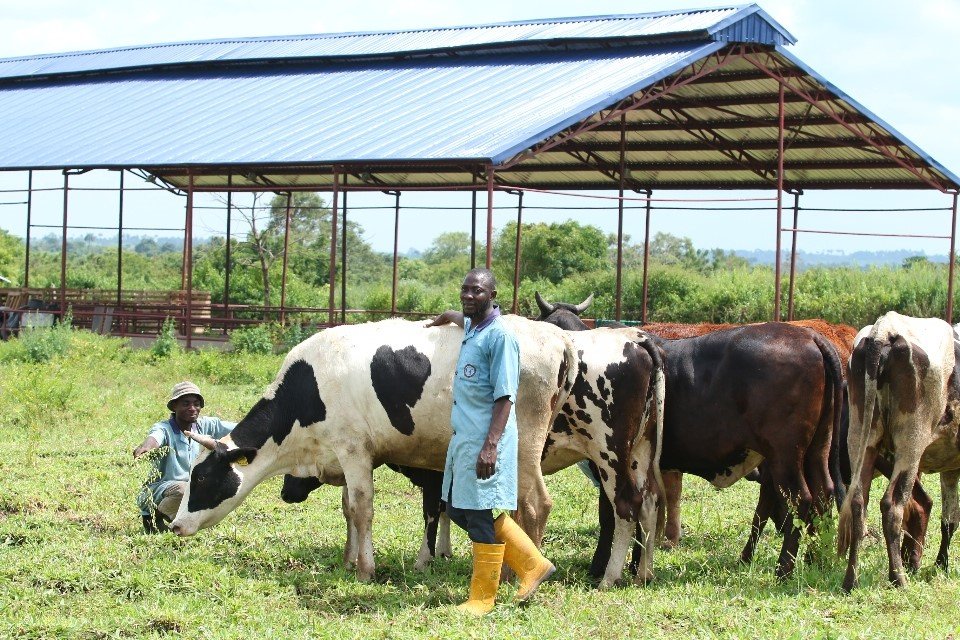
The model includes feedlots on designated grazing reserve lands, veterinary facilities, water infrastructure, schools and organized community settlements designed to encourage pastoralists to adopt sedentary livestock production.
“The objective is to make pastoral communities economically stable and geographically settled,” Maiha said. “Once you achieve sedentarisation, you improve traceability, accountability and community integration. That is how you address the long-term drivers of insecurity.”
He added that livestock enumeration and digital tagging would strengthen animal traceability, disease management and intelligence gathering for law enforcement.
Dismissing attempts by criminal groups to undermine public confidence, the minister said government would respond with “measured, structured and sustainable” policies, describing livestock reform as a broader national stabilization strategy that supports food security, livelihoods and social cohesion.
State Endorsement and Implementation Focus
Governor AbdulRazaq welcomed the federal intervention, describing the ranching proposal as “music to my ears” and pledging full cooperation toward swift implementation. He noted that the livestock ministry was the first federal ministry to formally commiserate with the state.
The governor urged that local governments be integrated into the framework, citing improved fiscal flows to councils following federal reforms. He said local participation would enhance ownership, accountability and funding coordination.
Speaking as Chairman of the Nigeria Governors’ Forum, AbdulRazaq added that the ministry would require stronger financial backing to mainstream the livestock sector as a productive component of the national economy.
Shift From Open Grazing
Security and policy analysts have long linked farmer–herder tensions to unregulated pastoral mobility, weak rural governance and poor livestock data. The ranching initiative aims to transition Nigeria from open grazing to structured, commercially viable livestock hubs supported by infrastructure and social services.
Experts say the shift could deliver economic benefits beyond security stabilization, including improved meat and dairy productivity, expanded export opportunities under the African Continental Free Trade Area, and better access to financing for livestock producers.
Observers described the minister’s visit as signaling an effort to connect rural security challenges with economic reform. With Kwara emerging as a potential early beneficiary of the programme, attention is expected to focus on funding arrangements, federal–state coordination and execution timelines.
For affected communities, the effectiveness of the initiative will depend on how quickly policy commitments translate into infrastructure, livelihoods and measurable improvements in safety. For the Federal Government, officials say modernizing livestock production is now central to restoring confidence and stability in rural Nigeria.