

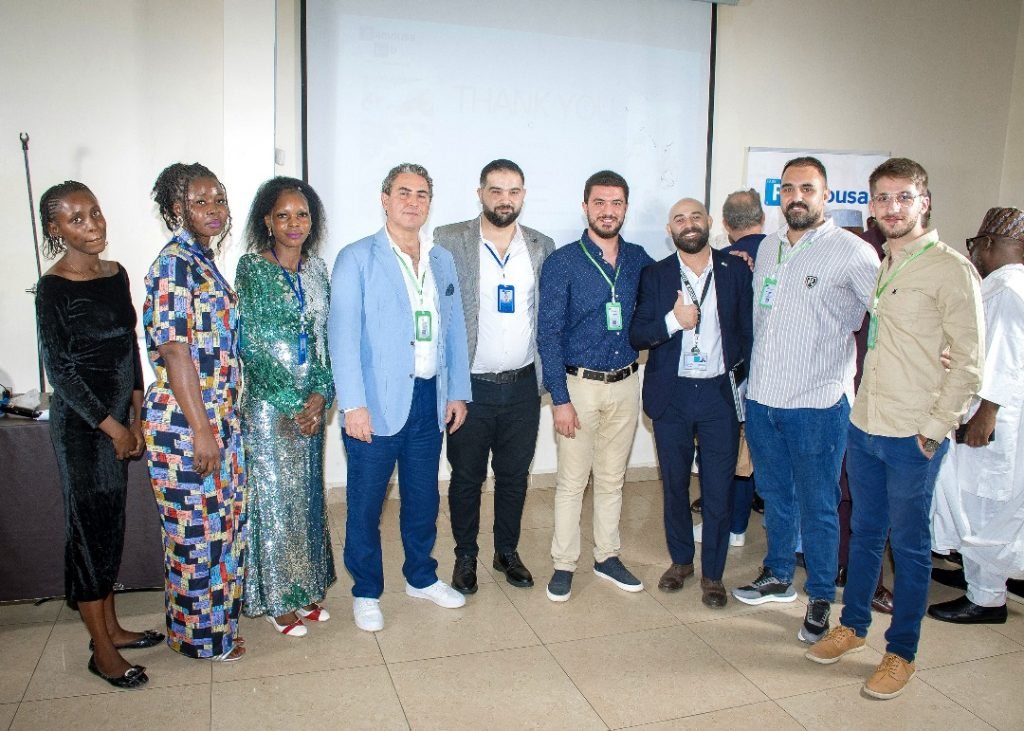
In this exclusive interview with AgroNigeria, Dr. Ahmad Birouty, Lab manager, Famousa Lab, located in Kano, discusses how the company is improving the quality and global competitiveness of Nigerian agro-produce. Samuel Hassan reports;
1. What inspired you to establish the Agro Commodities Standard Certification for Export, and how does your organization aim to improve the quality and global competitiveness of Nigerian agro-produce?
The inspiration to establish our laboratory services for agro commodities export testing came from the need to ensure that Nigerian agricultural produce meets the highest international safety and quality standards. Our organization improves the quality and global competitiveness of Nigerian agro-produce by strictly adhering to Nigerian and international standards, implementing rigorous testing, and supporting exporters to consistently meet international benchmarks.
2. Despite Nigeria’s vast agricultural potential, our export figures remain low. What do you see as the key gaps and systemic challenges limiting the country’s performance in agricultural exports?
Despite Nigeria’s vast agricultural potential, key gaps limiting export performance include limited access to modern testing facilities and challenges in supply chain management. Strengthening laboratory capacity and improving farmer and exporter awareness are essential to overcoming these systemic challenges and boosting Nigeria’s agro-export competitiveness.
3. Nigeria has faced repeated produce rejections in international markets, especially the EU and UK. From a laboratory perspective, what are the most common quality or safety issues that lead to Nigerian agro-produce being rejected in international markets and what can regulators learn from them?
From a laboratory perspective, the most common reasons for Nigerian agro-produce being rejected in international markets, particularly the EU and Japan, are high levels of pesticide residues and the presence of mycotoxins. These issues highlight the need for better adherence to safe agricultural practices to ensure that produce consistently meets international safety and quality standards.
4. Why is laboratory testing such a critical step in agricultural export certification, and what specific parameters or contaminants do you focus on during analysis?
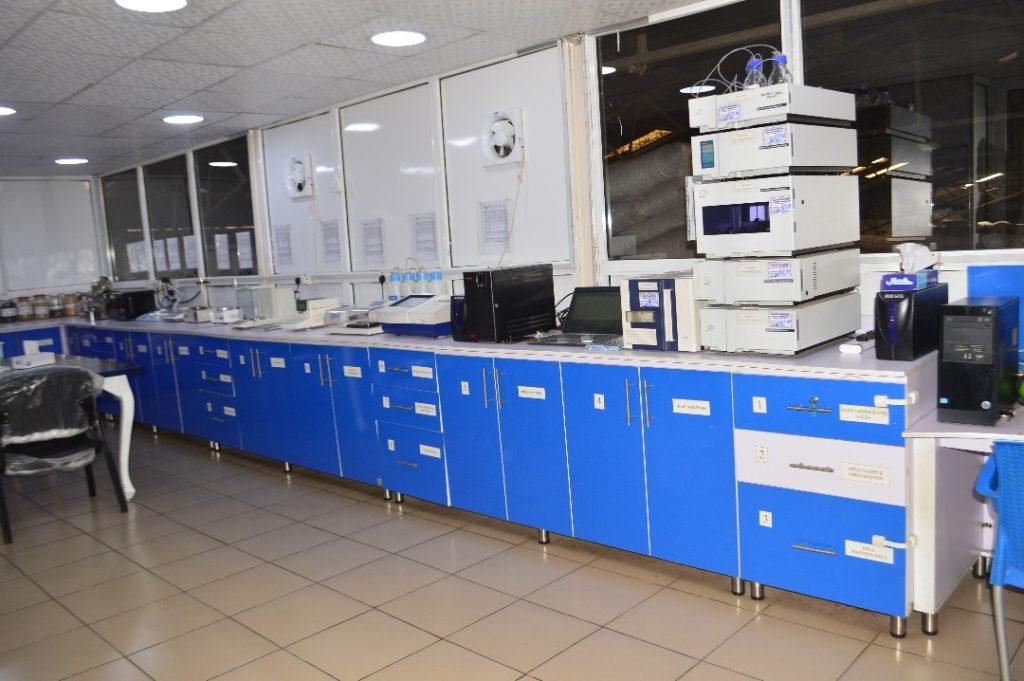
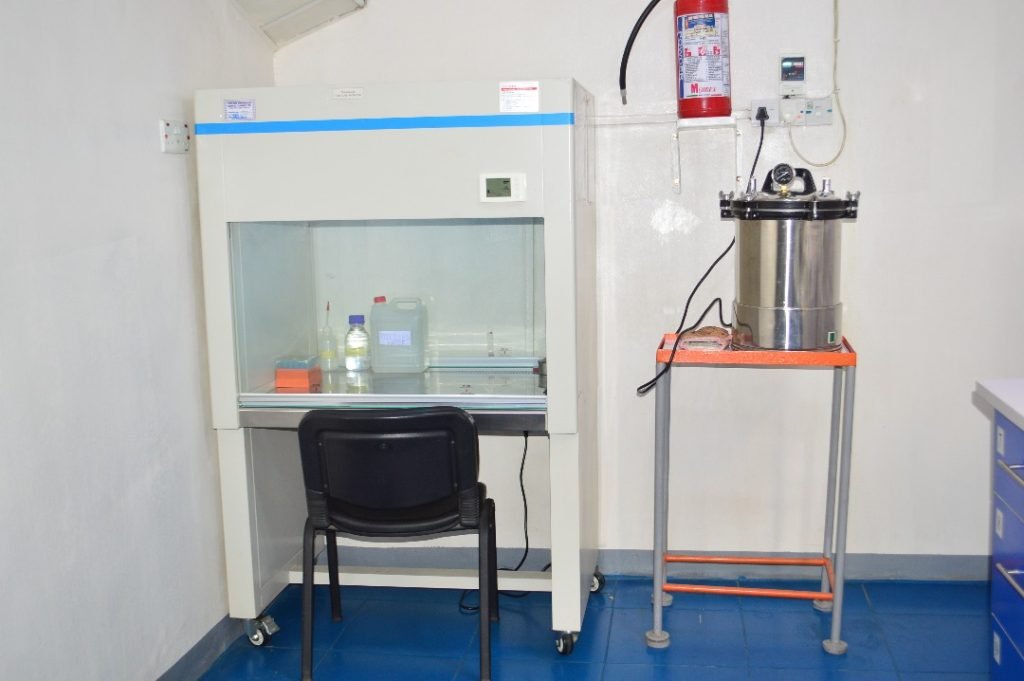
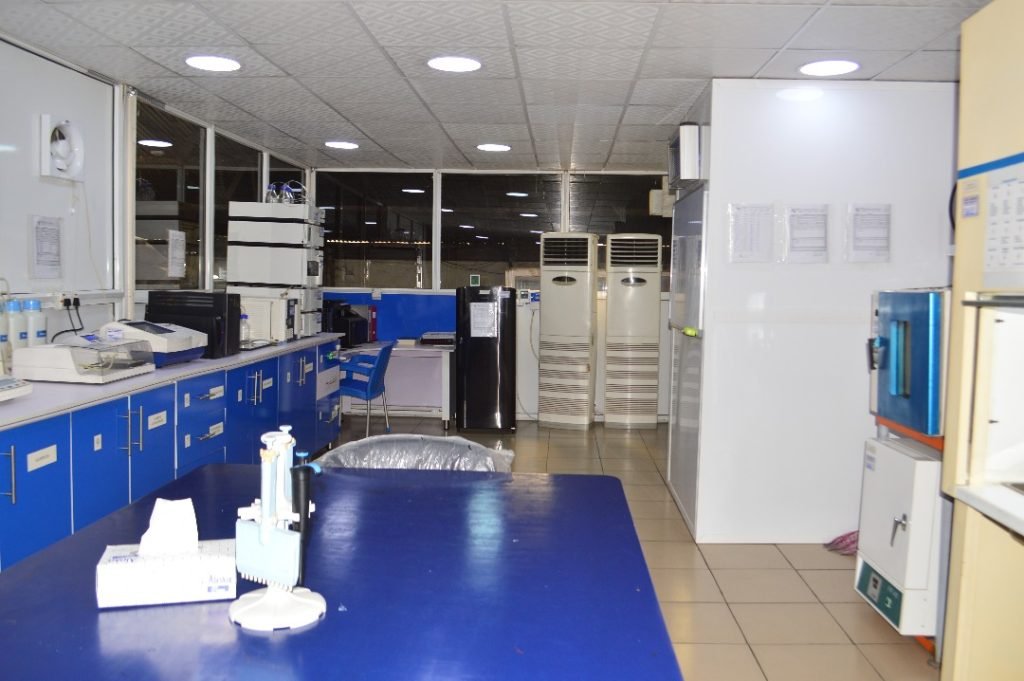
Laboratory testing is essential in agricultural export certification because it confirms product safety and compliance with international standards. In our laboratory, we focus on analyzing pesticide residues and mycotoxins, in addition to verifying that all product specifications meet the required export criteria.
5. Which international standards or protocols guide your laboratory testing processes?
Our laboratory testing processes are guided by internationally recognized standards, primarily the Nigerian Industrial Standards (NIS) and the relevant European Union regulations. These protocols ensure that our analyses meet global requirements for safety, quality, and compliance.
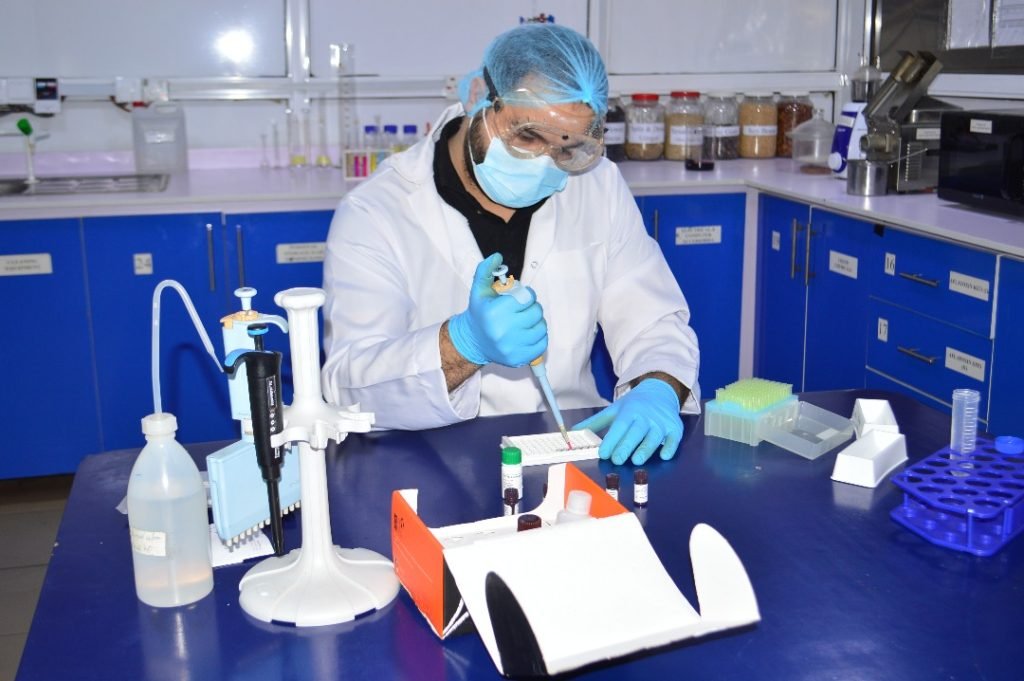
6. How do you ensure the reliability, consistency, and traceability of test results across various commodities?
We ensure the reliability, consistency, and traceability of our test results through strict adherence to standardized methods, routine calibration of instruments, and the use of validated analytical protocols. All procedures are fully documented, and every sample is tracked through a controlled chain-of-custody system, allowing complete traceability across all tested commodities.
7. What are some of the major challenges existing Nigerian laboratories face in maintaining international testing standards — and how is your lab addressing those gaps?
Many Nigerian laboratories face challenges such as limited access to advanced analytical equipment, high maintenance costs, inconsistent power supply, and difficulties in sourcing certified reference materials. Our laboratory addresses these gaps by investing in modern instrumentation, implementing strict quality management systems, and using internationally recognized reference standards. We also ensure continuous staff training and maintain reliable backup power solutions to guarantee uninterrupted, high-quality testing that meets global standards.
8. How does your laboratory collaborate with farmers, aggregators, and exporters during the certification process to ensure that produce meets export quality benchmarks?
Our laboratory collaborates closely with farmers, aggregators, and exporters by providing guidance on pre-export requirements, offering training on good agricultural and handling practices, and sharing feedback on test results. We also support them in identifying potential contaminants early and advise on corrective actions, ensuring that their produce consistently meets export quality and safety benchmarks.
9. What role does modern technology play in your lab operations in terms of in data management, traceability systems, or rapid testing methods?
Modern technology plays a key role in our laboratory operations by enabling efficient data management, ensuring full traceability of samples, and supporting rapid and accurate testing methods. Digital systems allow us to track each sample through every stage of analysis, store results securely, and generate reports quickly, enhancing both reliability and turnaround time for our clients.
10. How is your organization working to strengthen Nigeria’s local capacity for world-class agro testing, and what kind of training or skill development do you provide for your laboratory team?
Our organization strengthens Nigeria’s local capacity for world-class agro testing by investing in modern laboratory infrastructure, adopting international standards, and promoting best practices across the industry. We provide continuous training and skill development for our laboratory team, including hands-on workshops, certification programs, and exposure to the latest analytical techniques, ensuring our staff remain highly competent and up-to-date with global testing requirements.
11. Looking ahead, what improvements or innovations do you think will make Nigeria’s agricultural testing and certification system more competitive globally
Looking ahead, adopting advanced analytical technologies, expanding digital traceability systems, and strengthening quality management frameworks will make Nigeria’s agricultural testing and certification system more globally competitive. Increased investment in training, research, and collaboration with international laboratories will also enhance reliability, efficiency, and compliance with global standards.
Contact information: https://famousa-agro.com/famousa-lab/
khaled.moussallati@gmail.com
financial.famousa@gmail.com
Lab@famousa-agro.com
Tel: +234-803 333 7363, Tel: +234-7044449920
Tel: +234-8061779755

