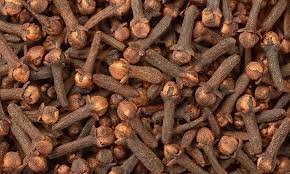

Stakeholders in the cloves farming sector including producers, processors, and marketers have announced the commencement of the country’s maiden cloves farming initiative in the 2026 wet season farming.
The National Coordinator of the association, Abdullahi Shuaibu disclosed this at the end of the North-West Farmers Training of Trainers Workshop at the Institute for Agricultural Research (IAR), Ahmadu Bello University (ABU), Zaria on Saturday.
Mr Shuaibu said the maiden edition of cloves farming would involve at least 2,000 farmers from each of Nigeria’s 36 states and the Federal Capital Territory (FCT), totaling over 74,000 farmers nationwide.
He described cloves as a tropical plant that can thrive across many parts of Nigeria.
He added that each participating farmer in the pilot scheme would receive quality seeds and essential farming inputs to cultivate half a hectare of clove farm.
“The initiative is designed to tap into the huge domestic and international demand for cloves, particularly from food and pharmaceutical companies.
“Nigeria will become the second African country after Zanzibar, Tanzania, to produce cloves commercially.
“This development promises to be a game-changer in foreign exchange earnings and youth employment,” he said.
Maijidda Abdulkadir, state treasurer of the association, Kaduna chapter, said that Kaduna State, already a leader in ginger production, would embrace the initiative fully.
She emphasised that the programme aimed to reduce poverty, create jobs, and empower women farmers, ensuring that no group is left behind.
She also confirmed that the maiden scheme had secured improved clove seeds from Tanzania and urged the state governments to support the initiative.
Similarly, Aminu-Yahaya Masanawa, a financial adviser to the association, explained that cloves production was more profitable than grains and many other vegetable crops.
He stressed that the programme also served as a cushion against recent losses suffered by farmers due to sudden crashes in farm produce prices.
“Once production begins, Nigeria will move from being a net importer of cloves to a potential exporter, bringing in additional foreign exchange revenue,” he added.
Supporting the initiative, Mukhtar Abdullah of IAR, ABU, Zaria, unveiled a comprehensive training manual on clove cultivation.
The guide provides step-by-step instructions for farmers, extension agents, and agripreneurs, covering cultivation practices, market analysis, and international best practices.
Mr Abdullahi emphasised the broader benefits of the programme, including rural economic empowerment, food security, and sustainable income generation for youth and women.
Farmers Set to Launch Maiden Cloves Farming Initiative in 2026 Wet Season
Stakeholders in the cloves farming sector including producers, processors, and marketers have announced the commencement of the country’s maiden cloves farming initiative in the 2026 wet season farming.
The National Coordinator of the association, Abdullahi Shuaibu disclosed this at the end of the North-West Farmers Training of Trainers Workshop at the Institute for Agricultural Research (IAR), Ahmadu Bello University (ABU), Zaria on Saturday.
Mr Shuaibu said the maiden edition of cloves farming would involve at least 2,000 farmers from each of Nigeria’s 36 states and the Federal Capital Territory (FCT), totaling over 74,000 farmers nationwide.
He described cloves as a tropical plant that can thrive across many parts of Nigeria.
He added that each participating farmer in the pilot scheme would receive quality seeds and essential farming inputs to cultivate half a hectare of clove farm.
“The initiative is designed to tap into the huge domestic and international demand for cloves, particularly from food and pharmaceutical companies.
“Nigeria will become the second African country after Zanzibar, Tanzania, to produce cloves commercially.
“This development promises to be a game-changer in foreign exchange earnings and youth employment,” he said.
Maijidda Abdulkadir, state treasurer of the association, Kaduna chapter, said that Kaduna State, already a leader in ginger production, would embrace the initiative fully.
She emphasised that the programme aimed to reduce poverty, create jobs, and empower women farmers, ensuring that no group is left behind.
She also confirmed that the maiden scheme had secured improved clove seeds from Tanzania and urged the state governments to support the initiative.
Similarly, Aminu-Yahaya Masanawa, a financial adviser to the association, explained that cloves production was more profitable than grains and many other vegetable crops.
He stressed that the programme also served as a cushion against recent losses suffered by farmers due to sudden crashes in farm produce prices.
“Once production begins, Nigeria will move from being a net importer of cloves to a potential exporter, bringing in additional foreign exchange revenue,” he added.
Supporting the initiative, Mukhtar Abdullah of IAR, ABU, Zaria, unveiled a comprehensive training manual on clove cultivation.
The guide provides step-by-step instructions for farmers, extension agents, and agripreneurs, covering cultivation practices, market analysis, and international best practices.
Mr Abdullahi emphasised the broader benefits of the programme, including rural economic empowerment, food security, and sustainable income generation for youth and women.