
The federal government has called on financial institutions to create tailored products helping farmers adopt low-emission, climate-smart practices, ensuring cleaner air, healthier communities, and stronger food systems across Nigeria.
Permanent Secretary of the Federal Ministry of Agriculture and Food Security (FMAFS), Marcus Ogunbiyi, made the appeal Thursday in Abuja at the Close-Out Workshop for the Abatement of Short-Lived Climate Pollutants (ASLCP) project in agriculture. Billed “Local Action, National Impact: Building Resilience through Climate-Smart Agriculture,” the event marked the final dissemination of ASLCP results, which targeted open-field burning reductions.
Ogunbiyi tasked extension agents and farmers with championing no-burn practices and resilient systems, while urging development partners to fund scale-ups via longer timelines and results-based financing.
“This project—run by Self Help Africa with FMAFS and funded by the Climate and Clean Air Coalition (CCAC)—shows how partnerships turn global climate pledges into local wins,” he said. “Now we must sustain and expand these gains.”
Spanning Nigeria’s six geopolitical zones with a key site in Gboko LGA, Benue State, ASLCP engaged 20 demonstration plots across 15 communities.
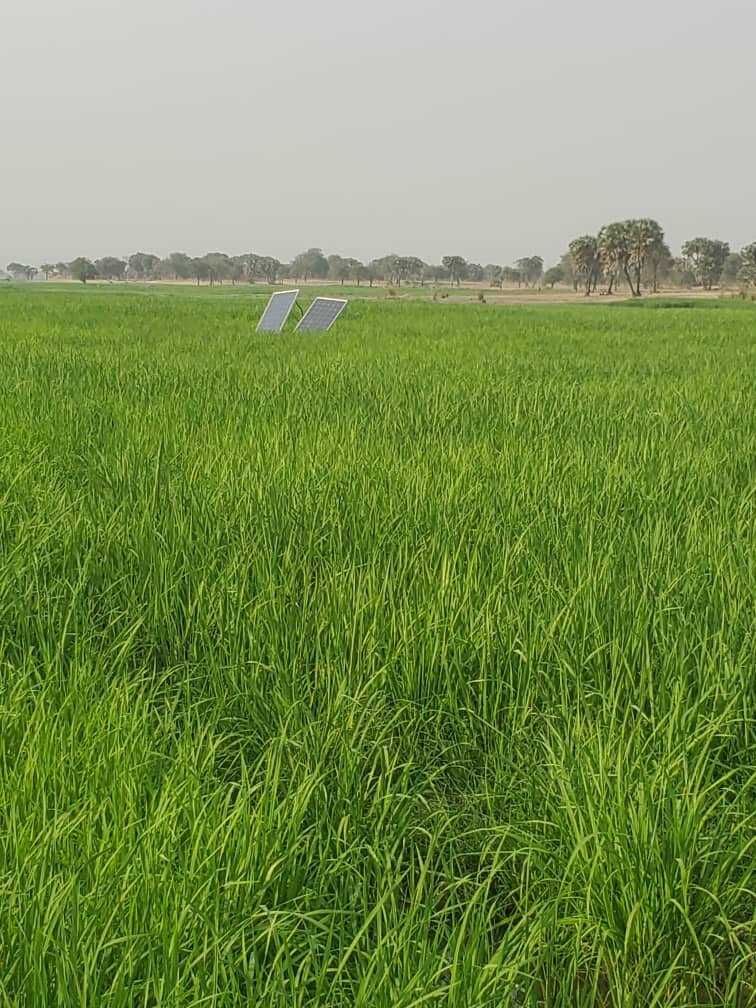
Farmers embraced water-efficient rice (cutting methane), climate-resilient cowpeas, residue mulching over burning, and briquette tech turning waste into clean energy.
These shifts curbed black carbon and methane—short-lived pollutants with outsized warming effects—and boosted yields, soil health, and peer learning via community hubs. “It’s a triple win: cooler climate, cleaner air, thriving farms,” Ogunbiyi noted, aligning with Nigeria’s Nationally Determined Contributions and low-emission strategies.
Oshadiya Olanipekun, Director of Agricultural Land and Climate Change Services, hailed ASLCP’s tangible results in emissions cuts and resilience. Self Help Africa Country Director Joy Aderele praised strengthened extension services and evidence for policy, commending Ogunbiyi’s leadership.
Ogunbiyi rallied policymakers, banks, researchers, and farmers to institutionalize successes through partnerships and funding, thanking CCAC for proving community-level climate action works.