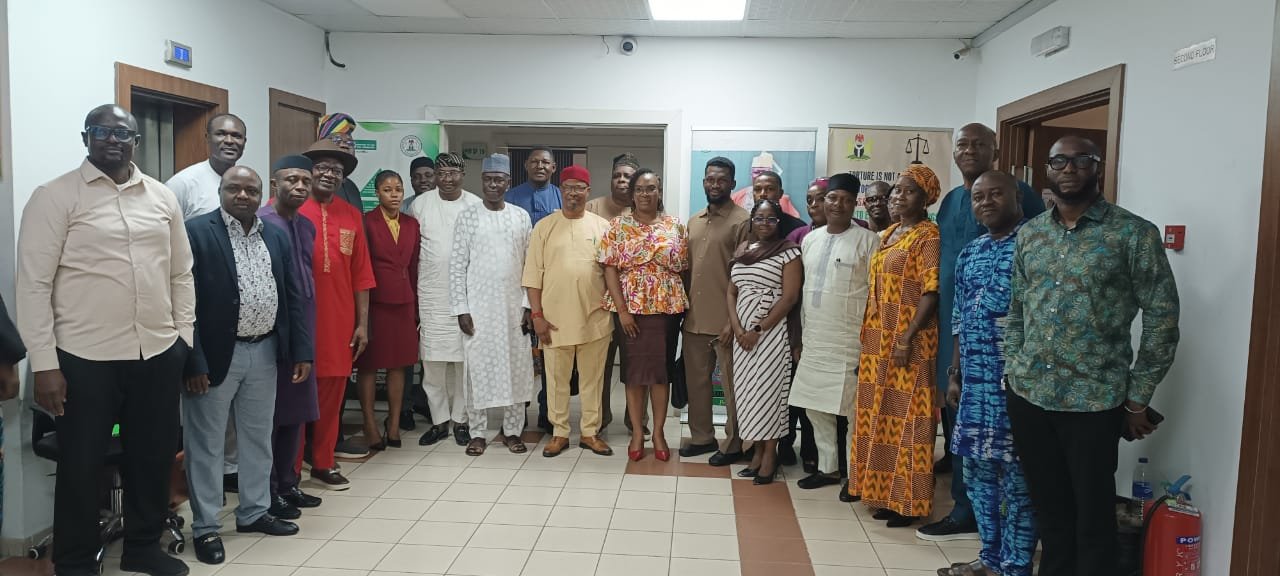

The Federal Ministry of Livestock Development (FMLD) has taken a major step towards addressing longstanding data gaps in Nigeria’s livestock sector with the commencement of the validation of the National Livestock Information Management System (NLIMS), a digital platform expected to serve as the country’s central livestock data repository.
The initiative is aimed at providing government, investors and industry stakeholders with accurate and real-time information to support policy formulation, resource allocation, programme implementation and sector-wide planning.
Speaking during the validation exercise in Abuja, the Permanent Secretary of the Ministry, Dr. Chinyere Ijeoma Akujobi, said the platform aligns with the Ministry’s broader agenda of repositioning the livestock sector as a key driver of food security, job creation and economic growth.
Represented by the Director of Planning, Research and Statistics, Stephen Ohaeri, she noted that the absence of a coordinated livestock data system has for years limited effective planning and decision-making, as critical information on animal populations, production activities, markets, animal health and value chains remains scattered across multiple institutions.
According to her, the new system is designed to eliminate these challenges by bringing livestock-related information under a single digital platform capable of supporting data collection, analysis, management and reporting across the country.
She described the NLIMS as an important institutional tool that will enable evidence-based decisions, improve monitoring of government programmes and provide reliable intelligence for investments and sector performance assessment.
Akujobi further explained that the validation exercise was intended to assess the platform’s structure and functionality to ensure it adequately responds to the Ministry’s operational needs before full deployment.
Developers of the platform, during a technical presentation, showcased several features including web and mobile-based data collection, integration with existing government databases, automated information exchange with partner organisations and multi-layer verification mechanisms designed to improve data accuracy.
They explained that information would be sourced from state coordinators, field officers, livestock associations, development partners, Ministry departments and other stakeholders, creating what is expected to become Nigeria’s most comprehensive livestock database.
The platform also contains dedicated modules for livestock production and population statistics, market intelligence, infrastructure mapping, institutional coordination, planning and reporting, conflict management, as well as animal identification and traceability.
According to the developers, the system will significantly enhance access to timely information required for policymaking, investment decisions and monitoring activities across the livestock value chain.
Participants at the exercise witnessed a live demonstration of the prototype, including its data entry, validation and reporting processes, with many expressing confidence that the platform would improve data governance and institutional coordination within the sector.
The National Livestock Information Management System is expected to support the Ministry’s efforts to build a more resilient, productive and sustainable livestock industry through improved access to credible and centralised data.