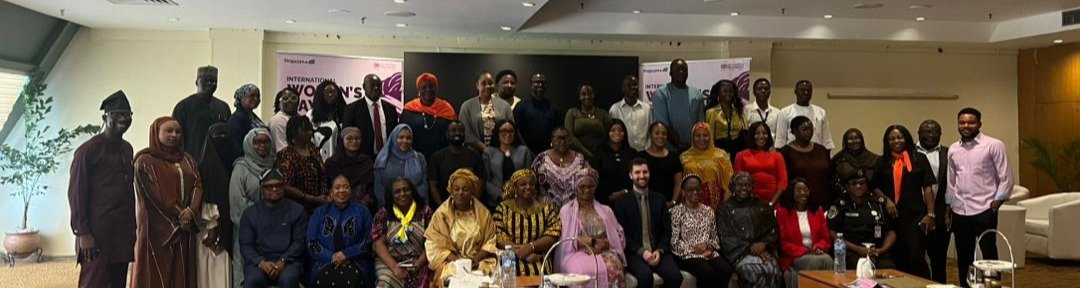

Stakeholders and development partners in Nigeria’s agriculture sector have renewed calls for deliberate policies and sustained investments to empower women, particularly in rural communities, as a pathway to achieving food security and inclusive economic growth.
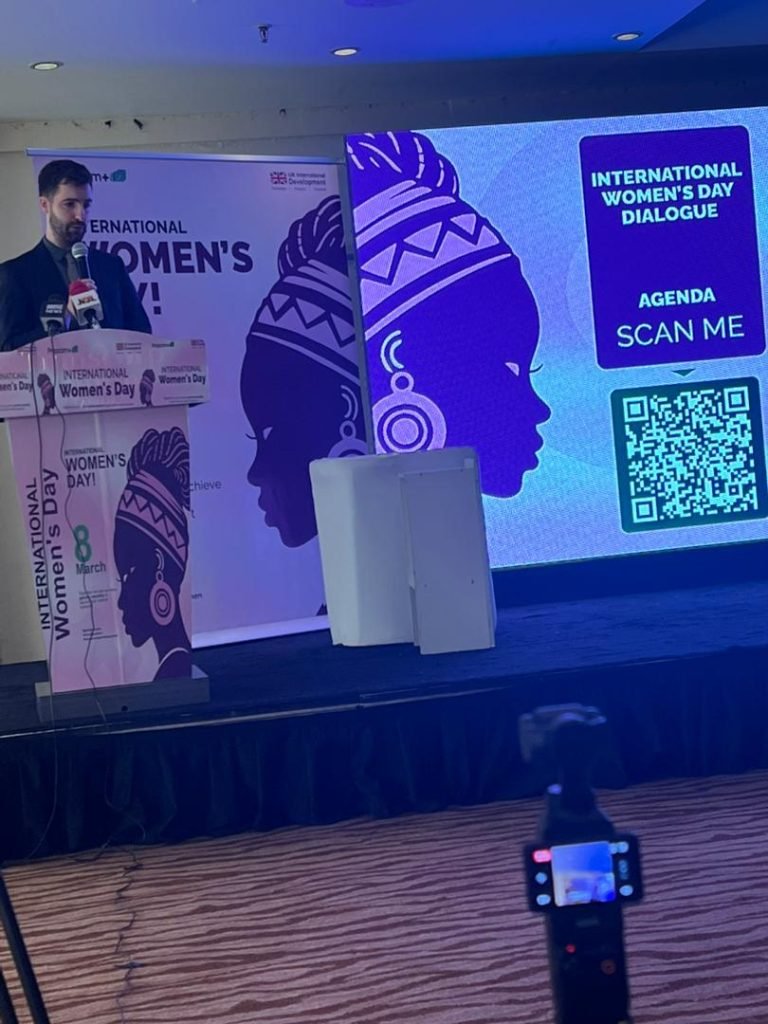
The call was made at an International Women’s Day dialogue convened by Propcom+ in Abuja under the theme: “Women, Agency and the Power of Giving for Gender Transformation.”
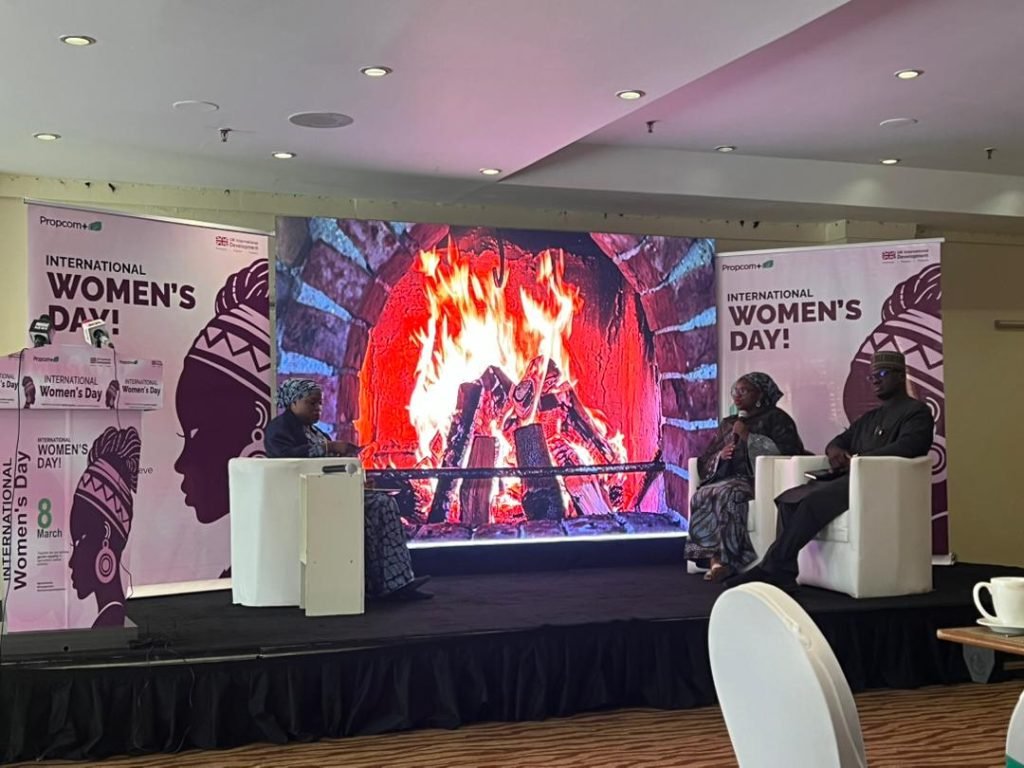
Speaking at the event, the Minister of Women Affairs, Imaan Sulaiman-Ibrahim, stressed that national development cannot be fully realized without the active participation and leadership of women across all sectors. Represented by her Special Assistant Technical on Women Affairs and Community Engagement, Princess Jummai Idonye, the minister described Nigerian women as resilient and instrumental to the country’s progress.
She noted that despite women constituting a significant portion of the population and workforce, especially in agriculture and the informal sector, their representation in governance and leadership positions remains disproportionately low.
According to her, this imbalance continues to limit inclusive growth and weakens policy outcomes in key areas such as health, education, and social protection.
The minister also highlighted the historical significance of International Women’s Day, tracing its roots to early labour movements advocating fair wages and better working conditions, and noting its evolution into a global platform for gender equality.
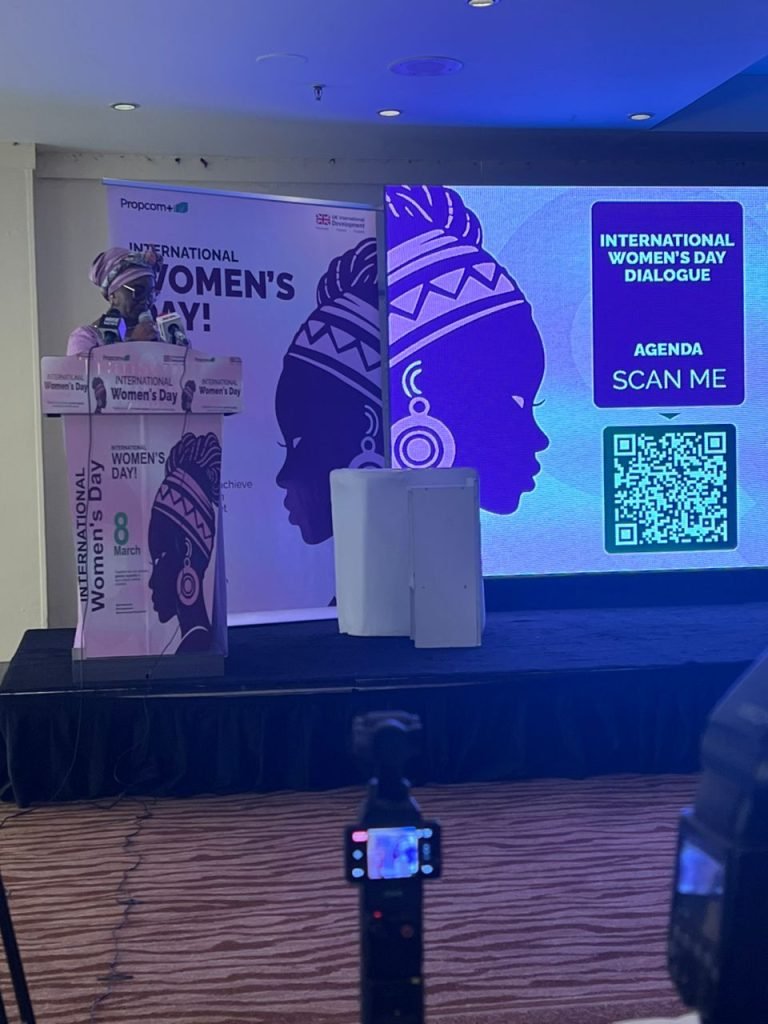
In her remarks, the Country Representative of Propcom+, Dr. Adiya Ode, reaffirmed the organisation’s commitment to promoting gender inclusion within Nigeria’s agricultural sector. She explained that the programme is designed to improve productivity, strengthen food systems, and build climate resilience, with a strong focus on women’s participation.
Ode disclosed that the initiative aims to reach about 3.79 million smallholder farmers and entrepreneurs, ensuring that at least half of the beneficiaries are women. She added that early results show increasing participation of women across various agricultural value chains, including livestock, cassava, and groundnut production.
Despite these gains, she acknowledged persistent challenges such as limited access to land, finance, and decision-making opportunities, as well as heightened vulnerability to climate-related risks and insecurity.
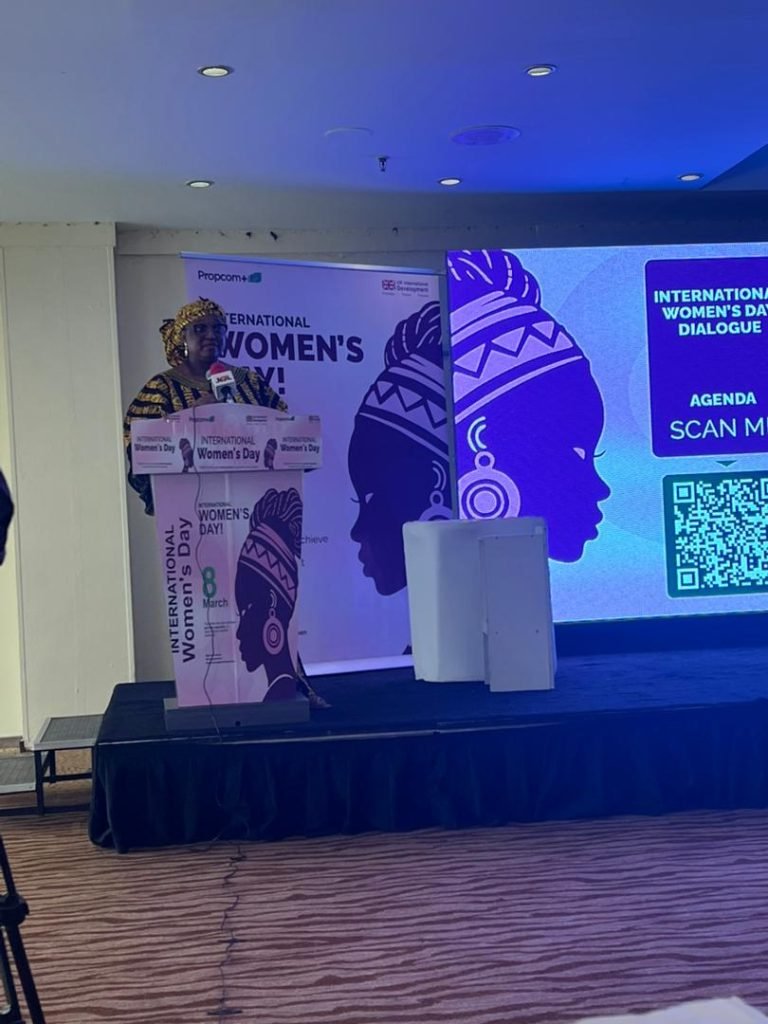
Also speaking, the Food and Agriculture Advisor at the British High Commission, Paddy Wilmot, reiterated the UK government’s support for women-focused agricultural development programmes in Nigeria. He noted that structural barriers and social norms continue to hinder women’s productivity, despite their critical role in rural agriculture.
Wilmot explained that the UK-funded Propcom+ programme is working to address these challenges by improving access to finance, integrating women into agricultural supply chains, and supporting inclusive business models.
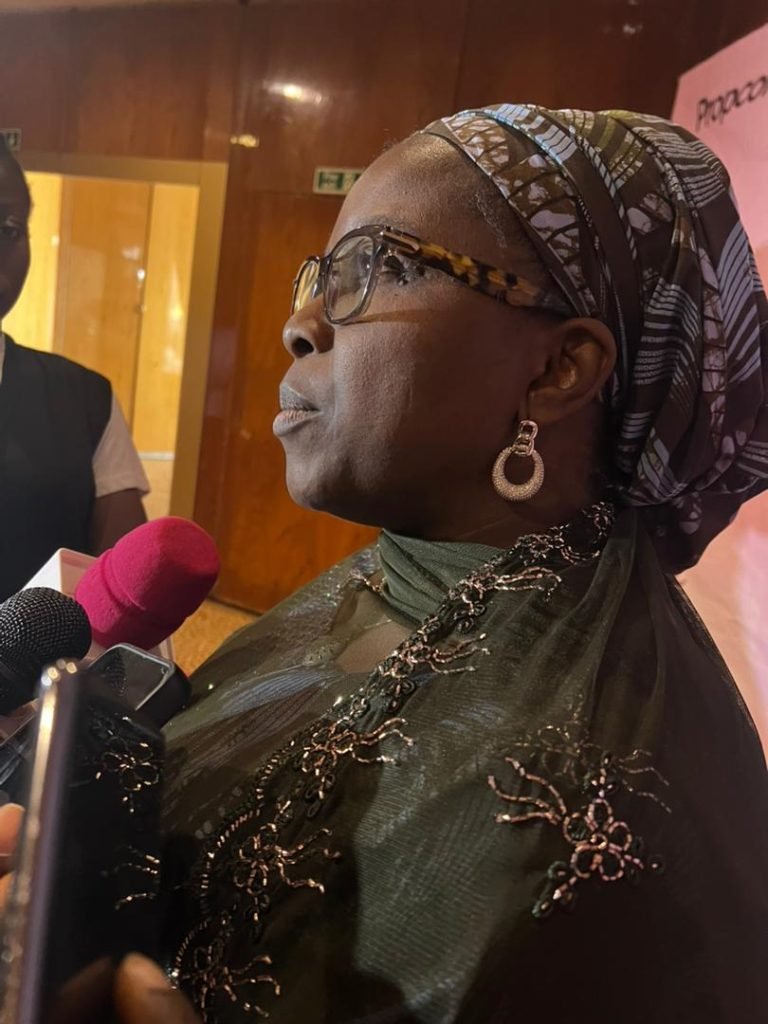
Speaking to AgroNigeria on the sidelines of the event, Aisha Yakubu Bako, Founder of the Women in Mechanized Agriculture Association (WIMA), highlighted the gap in access to mechanisation among women farmers. She said that while mechanisation has improved over the years, women are often left behind when resources are distributed.
However, she pointed to innovative solutions such as solar-powered threshing machines, which are helping to reduce costs and improve access for women farmers, while also promoting environmentally sustainable practices.
Participants at the dialogue emphasized the importance of collaboration among government, private sector actors, and development partners to dismantle systemic barriers and create more opportunities for women.
They agreed that empowering women is not only a matter of equity but also a critical step toward achieving a resilient agricultural system and ensuring long-term food security in Nigeria.