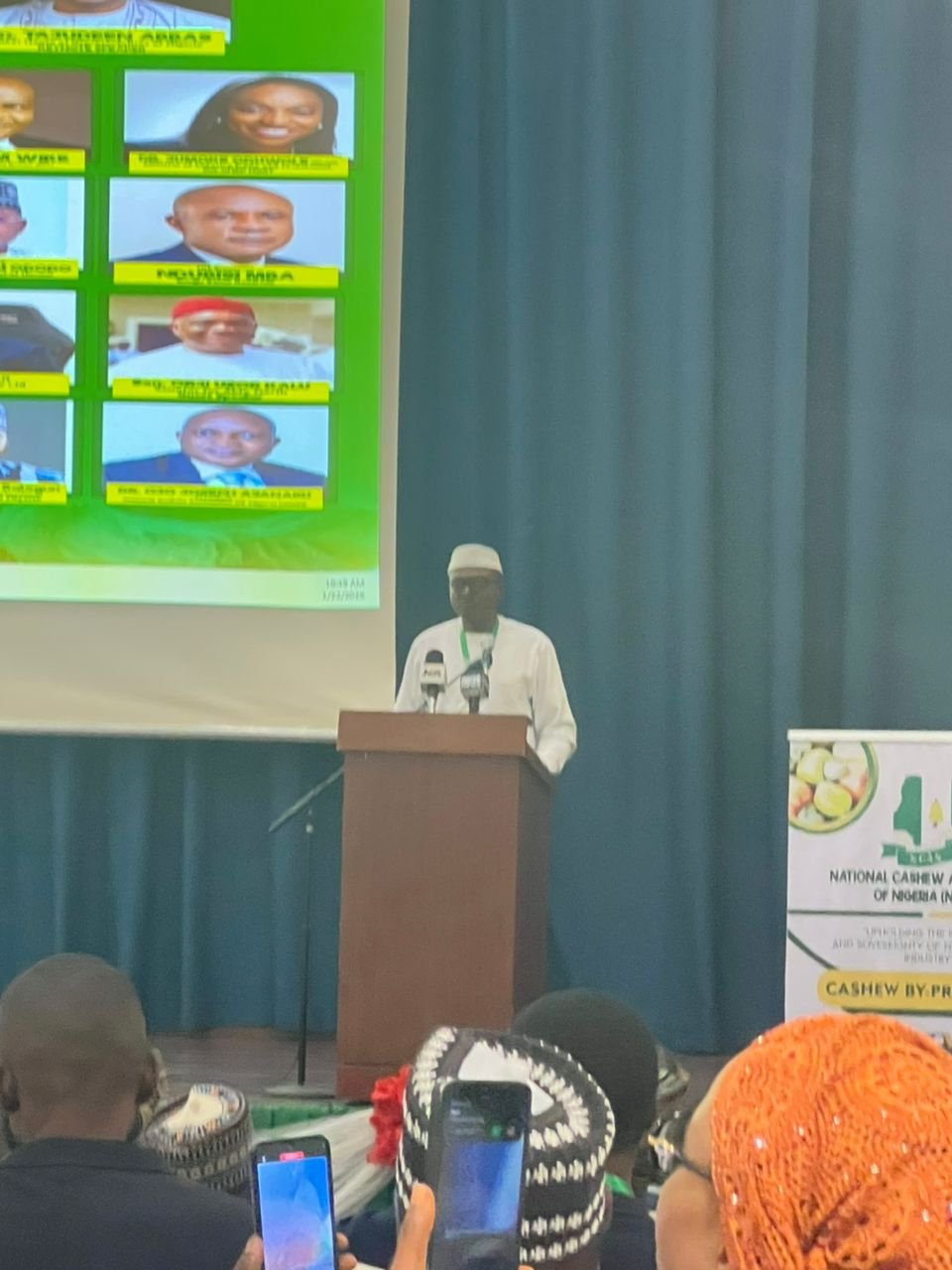

Stakeholders in Nigeria’s cashew industry have called for urgent reforms, increased local processing, and sustained investment to reposition the country as a leading global cashew producer and processor, at the 4th Nigeria Cashew Day held in Abuja.
Speaking at the event, President of the National Cashew Association of Nigeria (NCAN), Dr. Ojo Joseph Ajanaku, said Africa’s dominance in global cashew production was not accidental, noting that Nigeria possesses the land, population, and capacity to reclaim its former position as the world’s leading cashew-producing nation.
Dr. Ajanaku recalled that Nigeria ranked first globally in cashew production as far back as 2010, with an estimated 800,000 cashew trees nationwide, but has since fallen to sixth position due to prolonged neglect of the sector and policy instability.
He said NCAN, under his leadership, is pushing difficult but necessary reforms to correct structural failures in the industry and restore Nigeria’s competitiveness.
According to him, Nigeria’s vast land resources remain largely underutilised, with over 34 million hectares still unused, compared to Côte d’Ivoire’s 32 million hectares which currently supports higher cashew and cocoa output despite a smaller population.
He stressed that the gap highlights inefficiencies rather than capacity limitations, adding that operators within the value chain understand the industry’s challenges better than external observers.
Dr. Ajanaku explained that the theme of the 2026 Cashew Day — “Unlocking the Potential of Nigeria’s Cashew Industry Through Innovation, Technology and Global Markets” — reflects the industry’s focus on job creation, rural revitalisation, poverty reduction, and improved security outcomes through agro-industrial development.
He said a functional cashew industry could generate tens of millions of direct and indirect jobs and reduce rural-urban migration if value addition is prioritised.
He expressed concern that despite being home to Nigeria’s largest cashew farms, Kogi State currently has no functional cashew processing factory, forcing processors to operate under severe constraints.
He identified hunger, energy costs, and infrastructure deficits as major challenges facing domestic processors, noting that these concerns have been formally presented to the Federal Government for intervention.
Dr. Ajanaku argued that local processing would significantly increase foreign exchange earnings, retain value within the economy, and create employment opportunities that would discourage youth migration and crime.
He said many Nigerians leave rural communities not by choice but due to economic hardship, and that revitalising agro-processing hubs could reverse the trend.
Also speaking at the event, President of the Federation of Agricultural Commodity Associations of Nigeria (FACAN), Alhaji Sherif Tunde Balogun, described cashew as no longer just an agricultural crop but a strategic global commodity.
He disclosed that the global cashew market is currently valued at over $8 billion, with projections exceeding $250 billion within the next decade, driven by rising demand for plant-based foods, confectioneries, cosmetics, and pharmaceutical products.
Balogun said Africa produces about 55 per cent of the world’s cashew, yet processes less than 20 per cent, while Nigeria produces an estimated 300,000 metric tonnes, exporting nearly 80 per cent in raw form. He stressed the need for bold investments in processing capacity, energy solutions, finance, and infrastructure, noting that government commitment and private sector collaboration are critical to overcoming these constraints.
He urged stakeholders to move away from exporting raw produce to exporting industrial value, transition from fragmented supply chains to structured systems, and reposition the sector toward value dominance rather than volume dependence.
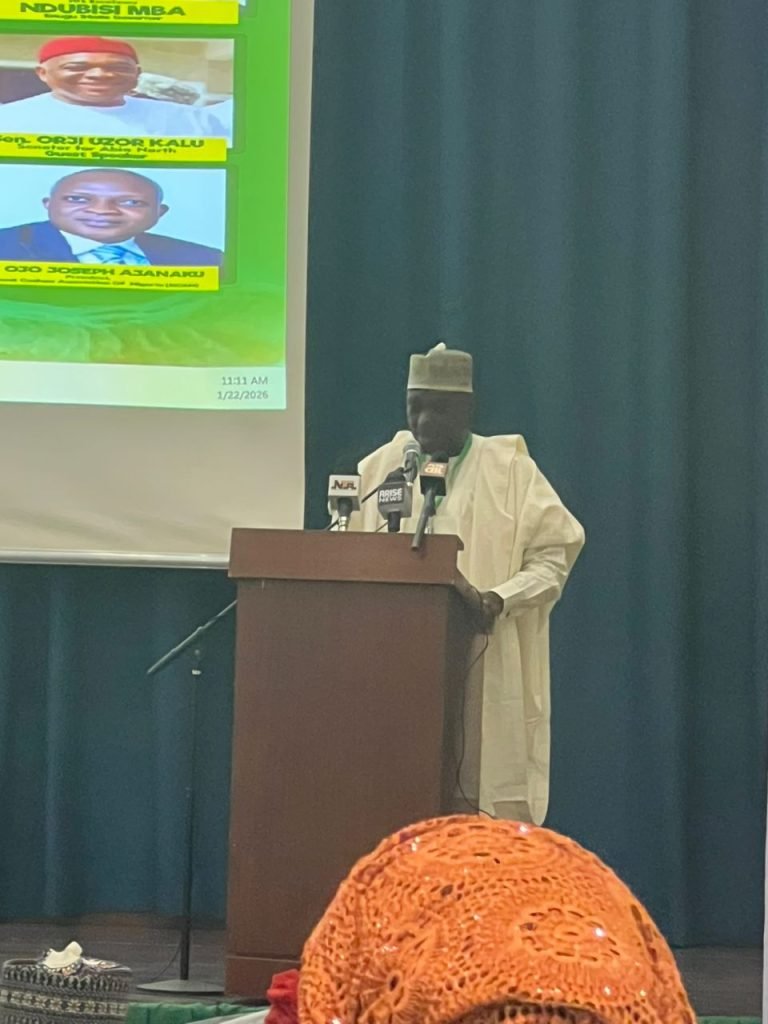
In his remarks, President of the African Cashew Alliance (ACA), Mr. Ibrahim Sanfo, commended Nigeria for consistently hosting the Nigeria Cashew Day, describing the platform as vital for industry coordination and stakeholder engagement across Africa.
Sanfo said Nigeria remains one of Africa’s most strategic players in the global cashew industry, with a large domestic market and significant influence on continental trade dynamics.
He stressed the need to expand local processing capacity across Africa and promote local consumption, noting that Africa currently consumes less than one per cent of global cashew output, a trend he described as unsustainable.
He emphasised that long-term growth of the cashew industry depends on strong partnerships between government and the private sector, farmers and processors, investors and operators, adding that collaboration is essential for mobilising resources and building a resilient value chain.
Sanfo also announced that the 2026 African Cashew Alliance Conference will hold in Ghana from September 20 to 25, 2026, inviting Nigerian stakeholders to participate as efforts continue to secure the future of the cashew industry across the continent.
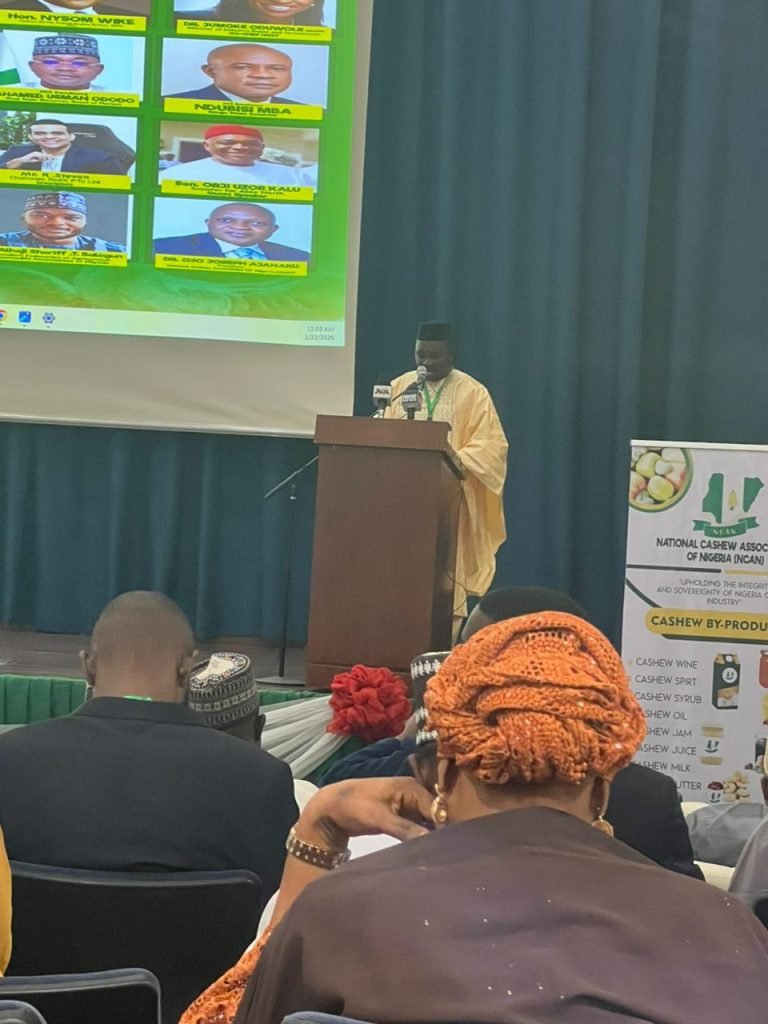
The 4th Nigeria Cashew Day was organised by NCAN in collaboration with the African Cashew Alliance and brought together policymakers, farmers, processors, investors, and development partners to advance sustainable growth in Nigeria’s cashew sector.