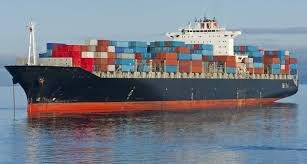

Nigeria-bound cargo routes are coming under renewed pressure as global shipping lines impose fresh surcharges and extend transit timelines, pushing import costs higher and tightening supply chain conditions.
Leading carriers have introduced Peak Season Surcharges (PSS) on Asia–Africa trade lanes, directly impacting shipments into Nigeria. CMA CGM has placed a surcharge of about $600 per twenty-foot equivalent unit (TEU) on cargo from China to Nigeria and the wider West and South Range Africa, effective March 15, 2026.
In the same vein, Hapag-Lloyd is rolling out a roughly $350 per TEU surcharge on shipments from the Far East, including China and Southeast Asia, to West and Southwest Africa from March 21, 2026.
The new charges significantly raise the cost of shipping into Nigeria, as they are layered on top of existing freight rates, terminal handling charges, and fuel-related costs. For importers, this translates into a sharp increase in landed costs at a time when margins are already under strain.
Beyond pricing pressures, routing disruptions continue to reshape global shipping patterns. Major operators such as Maersk, CMA CGM, and Hapag-Lloyd are maintaining diversions away from the Red Sea and Suez Canal corridor, opting instead for the longer Cape of Good Hope route. The shift has extended transit times by up to three weeks on some routes, increasing fuel consumption and tightening vessel schedules.
The impact is cascading across the logistics chain. Delivery timelines have become less predictable, equipment availability is under pressure due to tighter empty container repositioning, and additional costs such as demurrage are becoming more likely. Freight forwarders and importers are already adjusting pricing models and shipment plans, particularly for high-volume trade flows between China and Nigeria.
On the foreign exchange front, no new policy shifts have emerged within the review period to ease payment pressures. Businesses are therefore urged to secure dollar liquidity with their banks and logistics partners ahead of cargo bookings, as the combined effect of higher freight charges and currency constraints continues to weigh on trade operations.
However, the latest developments underscore a tightening shipping environment for Nigeria-bound cargo, where rising costs and extended transit times are fast becoming the new normal.