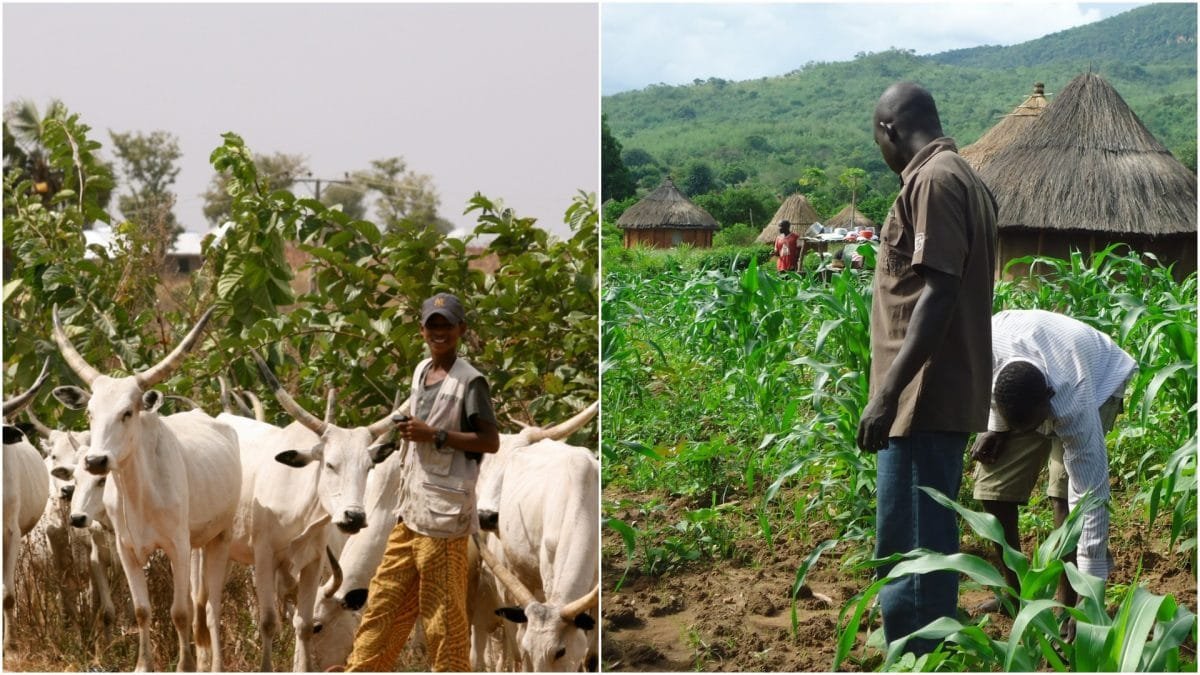

The Plateau State chapter of the Miyetti Allah Cattle Breeders Association of Nigeria (MACBAN) has expressed opposition to Governor Caleb Mutfwang’s call for the establishment of state police.
They said that such a move could be exploited by political actors to suppress and marginalise minority groups, particularly Fulani herders.
The herders’ group aired its concerns during the recent two-day public hearing of the Senate Committee on the Review of the 1999 Constitution for the North Central Zone, held in Jos, the Plateau State capital.
In a joint memorandum submitted under the Coalition of Fulani Registered Organisations, and signed by its Chairman, Garba Abdullahi Muhammad, and Secretary, Adam Yakubu, the group urged President Bola Ahmed Tinubu and the National Assembly to reject Mutfwang’s proposal.
According to MACBAN, allowing individual states to operate their own police forces could increase ethnic and political divisions, with the potential to weaponise law enforcement against communities seen as outsiders or minorities.
Governor Mutfwang, who made the proposal during the same hearing, had argued that the ongoing security challenges in Plateau State, especially the protracted farmer-herder conflict, demand a more localised, responsive security structure.
He said the crisis, which has affected the state since 2021 and continues to claim lives and displace families, cannot be adequately addressed under the current federal policing system.
Mutfwang maintained that empowering states to establish their own police forces would allow for more effective surveillance, quicker response times, and context-specific strategies to prevent violence.
He further pointed out that the ongoing conflict, marked by frequent and deadly clashes between farmers and herders, has led to destruction of property and loss of lives.
The state government, he said, is often constrained in its ability to act swiftly due to bureaucratic bottlenecks within the federal security structure.
Governor Mutfwang, in April, had announced new security measures aimed at tightening surveillance and curbing the root causes of the conflict.
These include a ban on night grazing, prohibition of cattle transportation by vehicle after 7:00 p.m., and restrictions on motorcycle use from 7:00 p.m. to 6:00 a.m. The regulations, which took effect from April 16, are expected to remain in place until further notice.