
The Federal Government has intensified efforts to strengthen Nigeria’s capacity to access climate-finance opportunities as part of ongoing reforms to build a resilient and globally competitive livestock sector.
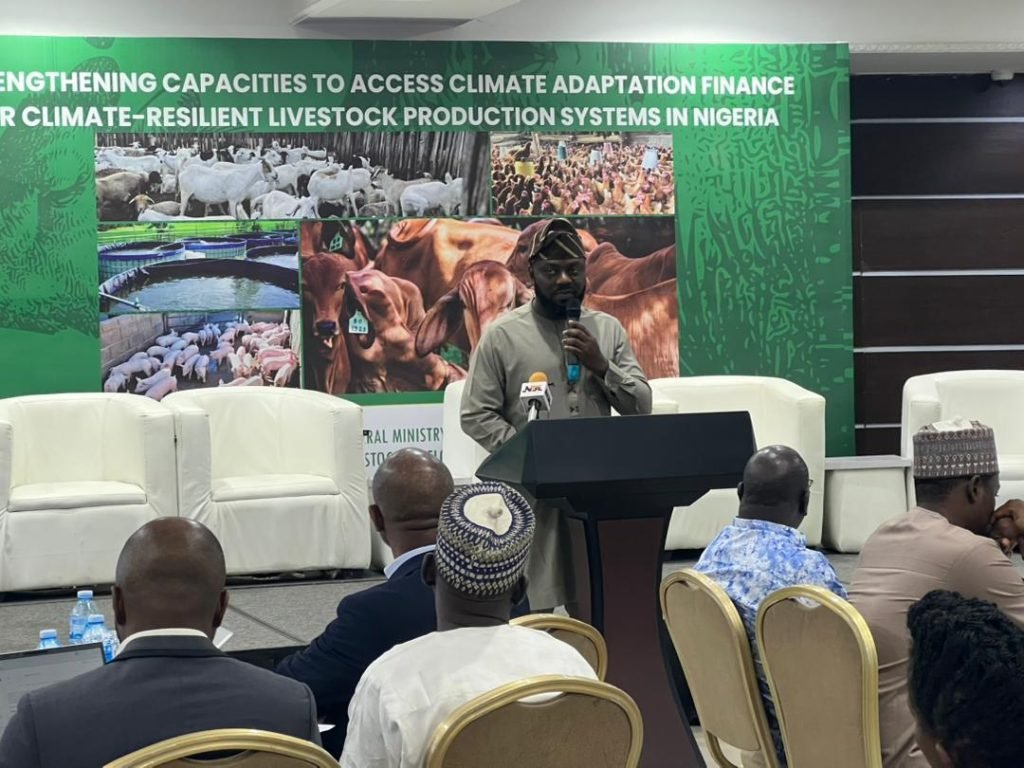
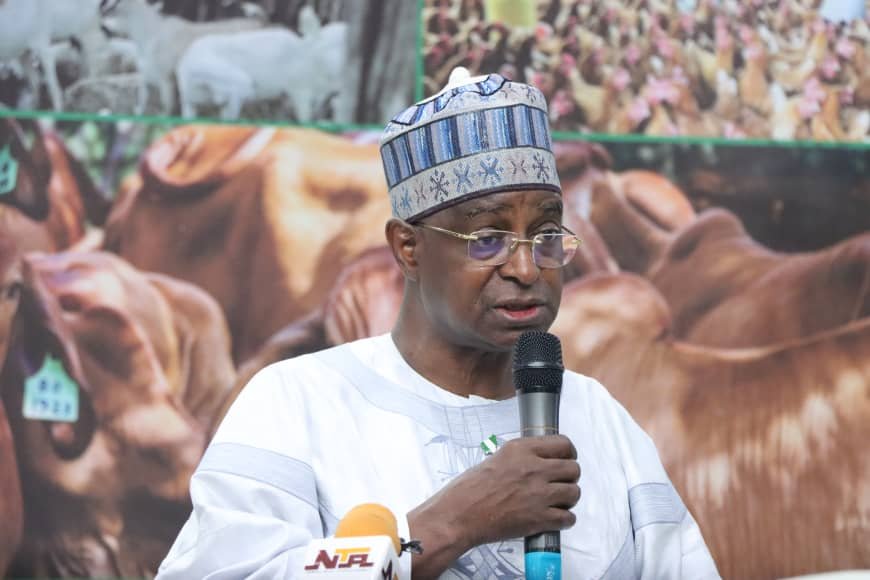
The Honourable Minister of Livestock Development, Idi Mukhtar Maiha, stated this on Thursday in Abuja during a Capacity-Building Workshop on Improving Access to Climate Adaptation Finance for Climate-Resilient Livestock Production Systems, organised by the Federal Ministry of Livestock Development in collaboration with the African Group of Negotiators Expert Support (AGNES) with support from GIZ.
Maiha said improving national expertise in green financing and proposal development is central to the Ministry’s reform agenda and critical to achieving climate-smart investments, sustainable production systems and innovative funding mechanisms.
He explained that Nigeria’s livestock industry requires deliberate access to green and innovative financing to modernise production systems, strengthen veterinary services, enhance genetics, support ranch development and boost overall productivity. These priorities, he noted, are captured in the Nigeria Livestock Growth Acceleration Strategy (NL-GAS) and the Nigeria Livestock Master Plan.
According to him, global market standards now demand stronger measures in traceability, animal welfare and emissions monitoring, making climate-resilient livestock production vital for food security, competitiveness and peacebuilding.
The Minister, who underscored the importance of effective financing structures, robust partnerships and coordinated national planning, described the engagement as a strategic platform for exploring innovative financing options and adapting lessons from global best practices.
Maiha added that reforms such as the establishment of the Nigeria Livestock Procurement Agency and the ongoing implementation of the Master Plan are designed to unlock new opportunities for job creation, economic diversification and value-chain expansion.
Speaking on the global debate around emissions from livestock, the Minister posed the question: “Should the cow be seen as an agent or a victim of climate change?” He announced plans to establish a Digital Working Group on Climate Change, in partnership with global ICT actors and African climate negotiators, to assess the vulnerabilities and potential of Nigeria’s livestock systems.
Earlier, the Permanent Secretary, Dr. Chinyere Ijeoma Akujobi—represented by the Director Technical, Dr. Alike Peter—commended the Ministry’s Technical Working Group on Climate Change and urged participants to convert Nigeria’s climate challenges into new opportunities.
Also speaking, the Director-General of the Food Industry Practitioners Association of Nigeria (FIPAN), Dr. Toromade Francis, identified inadequate feed, fodder and water availability as major constraints to livestock productivity. He called for innovative financing models and stronger support systems to address these long-standing sector challenges.
The Team Lead for AGNES, Dr. George Wamukoya, described the capacity-building workshop as a “key step towards strengthening partnerships between the private sector and government.” He emphasised that sustained collaboration would be vital to unlocking climate-finance opportunities and driving long-term sector transformation.
In his goodwill message, the Managing Director of the Bank of Agriculture (BOA), Mr. Ayo Sotinrin, declared the bank’s readiness to support private-sector investments in climate-resilient livestock systems. He said the bank has dedicated funding windows ranging from youth empowerment initiatives to smallholder and commercial livestock financing.
“The livestock sector is where everyone must strike while the iron is hot, and the Bank of Agriculture is fully ready to finance it,” Sotinrin said.
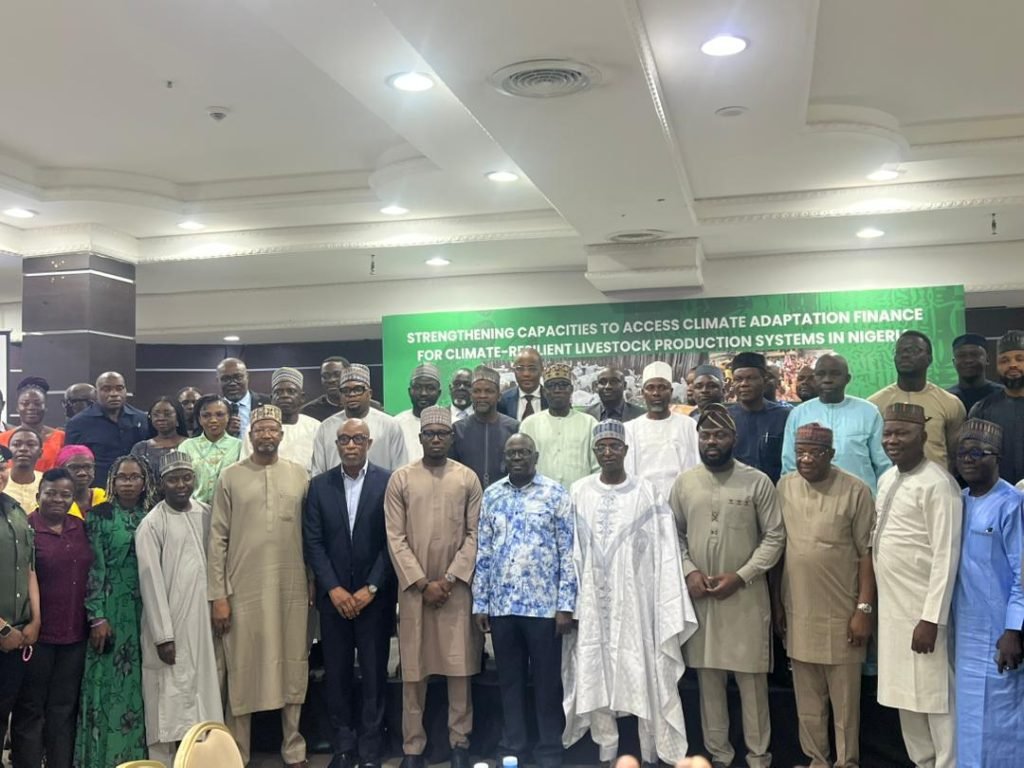
The workshop and breakfast meeting drew participants from financial institutions, research bodies, international partners, professional associations, state governments and other key stakeholders, all exploring actionable strategies to build a climate-resilient and sustainable livestock ecosystem for Nigeria.