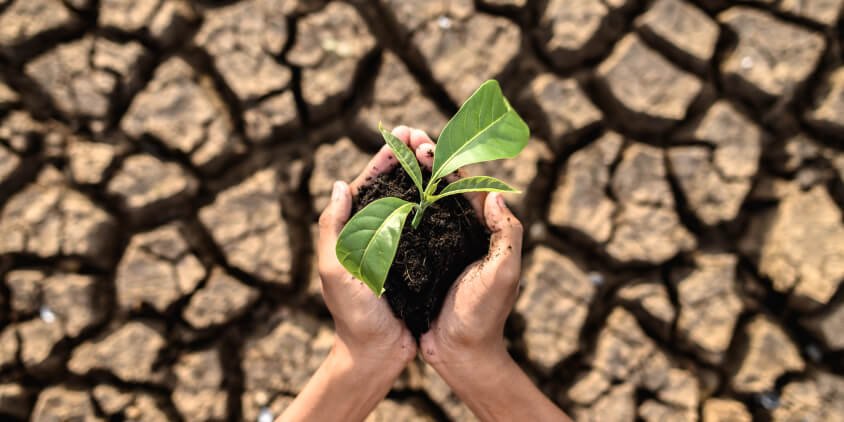

The Food and Agriculture Organisation of the United Nations (FAO) has warned that worsening soil degradation poses a growing threat to global food production, as proven measures to protect and restore soil remain poorly adopted.
The warning was contained in FAO’s Status of the World’s Soil Resources 2026 report, launched at the 17th Conference of the Parties to the United Nations Convention to Combat Desertification (UNCCD) in Ulaanbaatar.
In a statement made available to the media on Thursday, FAO said the report, based on research conducted between 2015 and 2025 and expertise from 75 countries, found low or very low adoption of sustainable soil management practices in more than half of regional assessments.
It reported that 58 per cent of assessments recorded soil deterioration since 2015, while only about 10 per cent reported improvement.
FAO Deputy Director-General, Beth Bechdol, said proven solutions were not being adopted at the pace and scale required, stressing the need to equip countries, farmers and other land users with the knowledge, capacity and incentives to implement sustainable soil management practices.
Bechdol said soils underpin food security, producing more than 95 per cent of the food consumed globally, while also storing and filtering water, regulating the climate, supporting biodiversity and sustaining livelihoods.
She noted that the global population had grown by 800 million since 2015, while the harvested area of major crops expanded by 80 million hectares, increasing pressure on already vulnerable soil resources.
According to her, urbanisation, unsustainable agricultural practices, industrial activities, conflicts and pollution are among the factors contributing to land degradation and declining soil functions.
She identified soil erosion as the most severe and interconnected threat to soil health, noting that 81 per cent of assessments across the seven regions studied rated erosion management as poor or very poor, while 65 per cent reported a worsening trend since 2015.
FAO said proven practices, including reduced tillage, integrated nutrient management, crop diversification, cover crops, organic amendments and agroforestry, could help mitigate soil threats while sustaining or improving agricultural productivity.
The organisation, however, stressed the need to scale up adoption of these practices, urging countries to recognise healthy soils as strategic assets and translate existing knowledge into practical action.
It said its guidance promotes a shift from isolated restoration interventions to integrated management of productive landscapes, with emphasis on preventing degradation where possible, reducing existing pressures and restoring land and soils where degradation has already occurred.