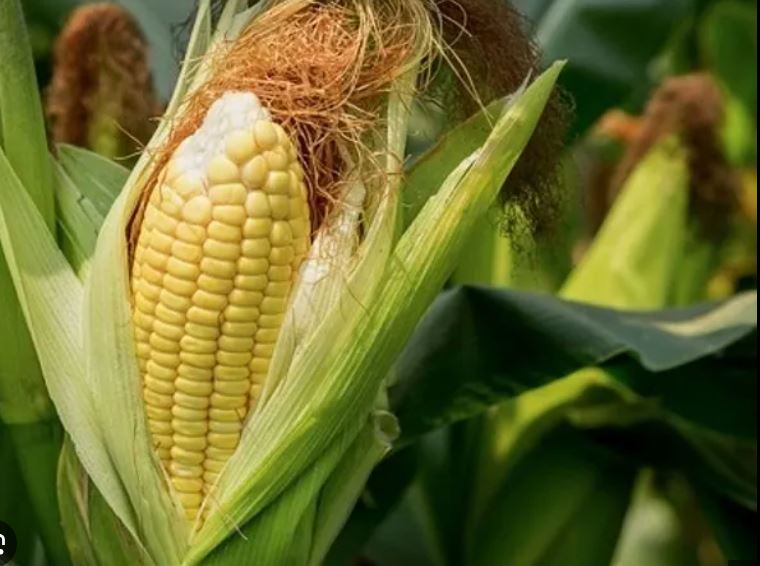

The Principal Investigator of TELA Maize at the Institute for Agricultural Research, Ahmadu Bello University, Zaria, Professor Rabiu Adamu, has called for the adoption of high yielding maize varieties, noting that this is essential to bridging the wide gap between maize production and consumption in Nigeria.
Adamu said Nigeria currently produces about 3.6 million metric tonnes of maize annually, compared with an estimated national requirement of 18 million metric tonnes.
He made this known at a TELA Maize Field Day organised by the Institute for Agricultural Research in partnership with the African Agricultural Technology Foundation in Zaria, Kaduna State.
According to him, the huge difference between domestic supply and demand makes it necessary for farmers to embrace improved technologies capable of increasing productivity while helping them cope with changing production conditions.
He described maize as a major cereal crop with significant importance to Nigeria’s food system, stressing that raising output would be crucial to meeting the country’s growing demand.
Adamu said TELA maize offered several advantages to farmers, including high yield potential, improved nutritional value, tolerance to drought and resistance to stem borer and fall armyworm.
He explained that the crop could yield as much as nine tonnes per hectare when farmers followed recommended agronomic practices such as early and timely planting, proper weed management and adequate fertiliser application.
The researcher disclosed that some farmers had already recorded yields of about seven tonnes per hectare under favourable conditions and with good farm management.
He said such production was equivalent to approximately 70 bags of 100 kilogrammes each, demonstrating the potential of the improved variety to substantially raise maize output.
Adamu said research and development activities on TELA maize started at IAR in 2019, while the Federal Government released SAMMAZ 72, SAMMAZ 73 and SAMMAZ 74 varieties to farmers in 2024.
Also speaking, the Nigeria Programme Manager of the African Agricultural Technology Foundation, Yarama Ndirpaya, said the organisation’s partnership with IAR had produced agricultural technologies capable of improving the livelihoods of farmers.
Ndirpaya described TELA maize as one of the products of the collaboration, saying its performance had been encouraging in different parts of Nigeria and other areas where it had been cultivated.
He said the field day was also aimed at giving members of the public an opportunity to learn more about TELA maize and address concerns regarding genetically improved crops, particularly questions about their suitability for human consumption.
The Vice Chancellor of Ahmadu Bello University, Professor Adamu Ahmed, represented by the Deputy Vice Chancellor, Advancement, Research and Innovation, Professor Aliyu Rafin Dadi, said the event provided an avenue to demonstrate the qualities and safety of TELA maize.
He said participants were given different food products made from the maize, including roasted and boiled maize, swallow and masa, as part of the practical demonstration.
According to him, the exercise was intended to dispel misconceptions about the crop while allowing participants to directly experience some of the products that could be made from TELA maize.
The Kaduna State Chairman of the All Farmers Association of Nigeria, Alhaji Nuhu Aminu, said farmers were increasingly interested in TELA maize because of its potential to lower production costs and improve efficiency and profitability.
Aminu said the variety was gaining acceptance among farmers in Kaduna and neighbouring states due to its productivity, resilience and other attributes.
He added that stronger collaboration between IAR and AATF would contribute to increased maize production, better incomes for farmers and improved food security in Nigeria.