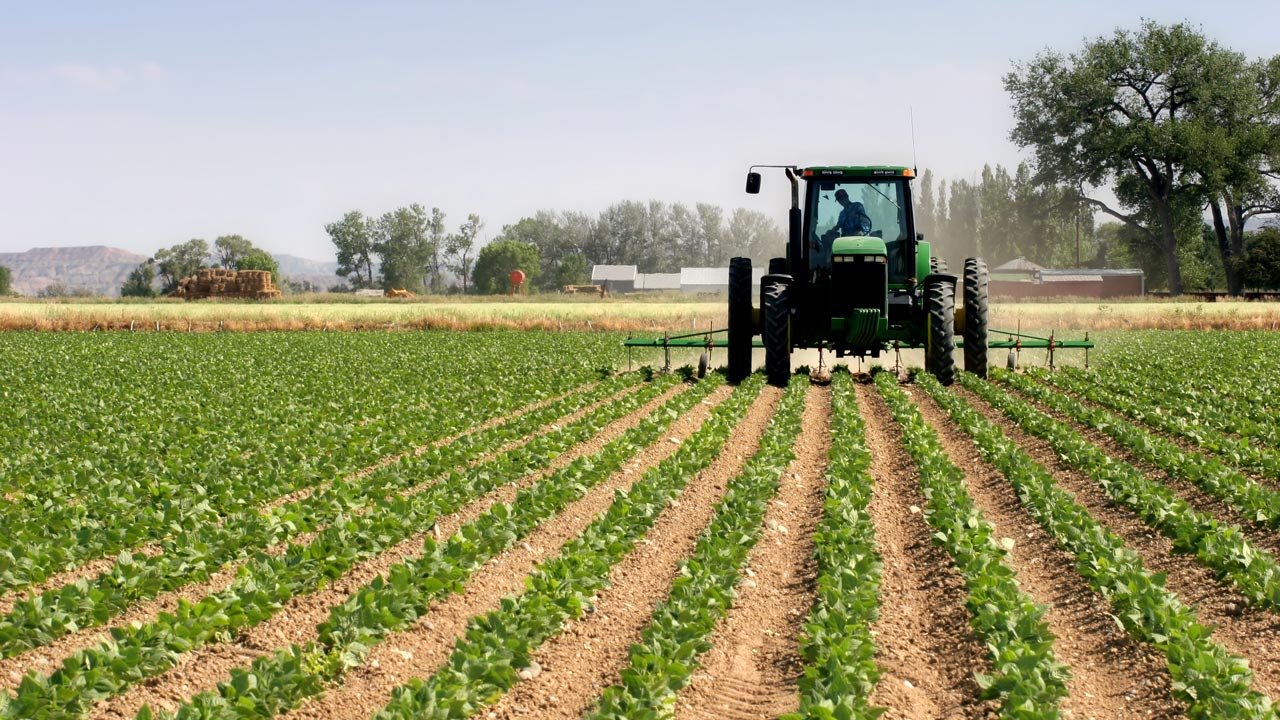

A Nigerian researcher in the United States, Mayowa Amusan, has highlighted agritourism and growing consumer interest in locally produced food as potential avenues for farmers to diversify their income beyond conventional agricultural production.
The findings are contained in a study titled Drivers of Agritourism Participation and Willingness to Pay for Local Foods, published in the peer-reviewed journal Tourism Economics in 2026.
The research examined the factors influencing consumers’ participation in farm-based tourism and their willingness to pay premium prices for locally produced food.
Amusan, a PhD student in Economics at Middle Tennessee State University, conducted the study with four co-authors while pursuing his master’s degree in Agricultural and Applied Economics at the University of Georgia.
The researchers analysed responses from 374 adults in Georgia, United States, to understand what attracts consumers to agritourism, barriers to participation and attitudes towards locally produced food.
The study found that consumers with an interest in rural landscapes and farm-related activities were more likely to participate in agritourism experiences, including farm visits, guided tours and pick-your-own activities.
However, social considerations also influenced participation. Respondents who had difficulty finding companions for farm visits were less likely to engage in agritourism, while limited interest among family members and friends further reduced their likelihood of participation.
On local food consumption, the research linked environmental concerns, health awareness and personal image to more favourable consumer attitudes towards locally produced food.
These positive attitudes were, in turn, strongly associated with respondents’ stated willingness to pay higher prices for local food products.
Amusan said the findings could guide farmers and agritourism operators in the United States in developing visitor experiences and marketing strategies that appeal to consumers.
He suggested that farms could attract more visitors by organising activities that families and friends could enjoy together.
He also noted that highlighting the environmental and health-related attributes of locally produced food could help farmers connect with potential customers and strengthen demand.
Amusan said his interest in the research stemmed from the need to understand how agritourism and local food markets could create additional income opportunities for farmers.
He, however, cautioned against directly applying the findings to Nigeria, explaining that the study focused on consumers in Georgia, United States.
According to him, similar research involving Nigerian consumers would be necessary to establish their interest in farm-based activities, the factors discouraging participation and their perceptions of locally produced food.
He said such evidence would help determine whether the consumer attitudes and participation patterns identified in the US study also applied to Nigeria.
The study clarified that it measured respondents’ stated willingness to pay rather than their actual purchasing behaviour and did not establish cause-and-effect relationships.