
By Ify Mgbemena
Some meals do not need complicated techniques or expensive ingredients to leave a lasting impression. With the right combination of rice, palm oil, fresh pepper, local spices, vegetables and smoked fish, an ordinary pot of food can become a deeply satisfying meal filled with colour, aroma and character.
That is the beauty of Nigerian Native Rice.
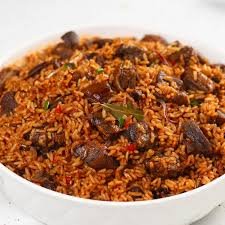
Unlike the bright red appearance often associated with Jollof rice, Native Rice stands out for its rich, earthy colour, bold flavours and unmistakable smoky aroma. It is a meal that celebrates local ingredients and the diversity of Nigerian food culture, bringing together crops from farms, fish from rivers and coastal communities, and traditional seasonings that have remained important in Nigerian kitchens for generations.
From the rice cultivated by farmers to the palm oil extracted from oil palm fruits, the peppers harvested from vegetable farms and the smoked fish prepared by local processors, every ingredient contributes to a meal that tells a wider agricultural story.
Whether prepared as a quick family meal or served during gatherings and special occasions, Native Rice remains a comforting reminder that some of the most memorable dishes are created from familiar ingredients prepared with care.
Ingredients
To prepare Native Rice for about four to six servings, you will need:
-Rice
-Palm oil
-Onions
-Fresh tomatoes
-Fresh peppers, depending on your preferred level of heat
-Ground crayfish
-Locust beans, popularly known as iru or ogiri, depending on the variety available
-Smoked fish, cleaned and deboned
-Stock or cooked meat, if preferred
-Cubes
-Salt to taste
-Dried thyme
-Curry powder, optional
-Chopped vegetables, such as scent leaves, ugu, spinach or other leafy vegetables
-Water or stock, as required
You may also add cooked chicken, beef, turkey, ponmo or assorted meat, depending on preference. However, smoked fish remains one of the ingredients that gives Native Rice its distinctive depth and traditional flavour.
Step 1: Prepare the Rice
Sort the rice to remove stones or unwanted particles, then wash thoroughly in clean water. If using local rice, wash it several times because it may contain chaff or small stones.
Parboil briefly if necessary, but avoid cooking it completely at this stage. Drain and set aside.
Step 2: Blend the Base Ingredients
Wash the tomatoes, peppers and one onion, then blend them into a smooth or slightly coarse mixture, depending on your preferred texture.
Dice the remaining onion and set it aside. Clean the smoked fish, remove any bones and break it into medium-sized pieces. Keeping the pieces fairly large will help them retain their shape in the rice.
Step 3: Build the Native Sauce
Place a clean pot over medium heat and add the palm oil. Allow it to heat gently without bleaching or burning.
Add the diced onions and stir until fragrant. Add the locust beans (iru or ogiri) and allow their distinctive flavour to develop.
Pour in the blended tomato and pepper mixture. Add the ground crayfish, seasoning cubes, salt and other preferred spices. Stir well and allow the sauce to cook until it thickens and the excess water reduces.
This stage is important because a well-cooked sauce gives Native Rice its rich colour, deep flavour and inviting aroma.
Step 4: Add the Rice
Pour in the meat stock, if using, followed by enough water to cook the rice. Taste the liquid and adjust the seasoning before adding the rice.
Add the prepared rice, stir gently and cover the pot. Allow it to cook over low to medium heat.
Check occasionally and add a small quantity of hot water if necessary. Avoid adding too much water at once, as this may make the rice soggy.
Step 5: Add the Smoked Fish
When the rice is almost tender, gently fold in the smoked fish. If you are using cooked chicken, beef, turkey, ponmo or assorted meat, add it at this stage.
Avoid stirring too vigorously so the fish does not break into tiny pieces. Cover the pot and allow the flavours to blend as the rice finishes cooking.
Step 6: Finish with Fresh Vegetables
Wash and chop the vegetables, then add them when the rice is fully cooked or nearly ready.
Stir gently and cover for about two to three minutes. The vegetables should remain fresh and colourful rather than overcooked.
Scent leaves add a distinctive aroma, while ugu or spinach can bring colour and extra nutrients to the meal.
Turn off the heat and allow the rice to rest briefly before serving.
Serving Suggestion
Native Rice is best enjoyed hot and can be served on its own or paired with fried plantain, grilled fish, boiled eggs or a fresh vegetable salad.