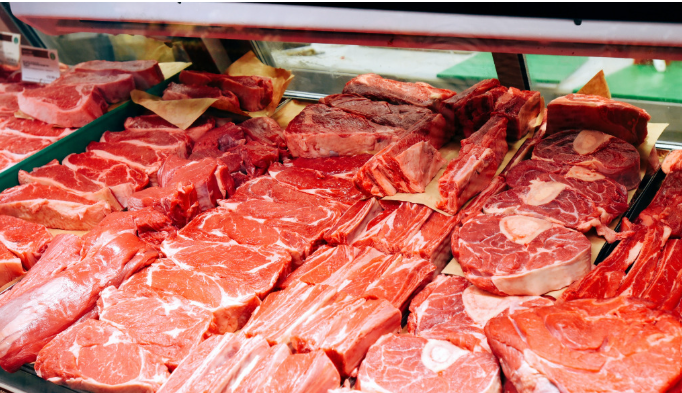

An investigation by AgroNigeria has established that comments attributed to retired Professor of Animal Products Science, Prof. Funso Sonaiya, in a report titled “U.S. Imports to Heighten Competition in Nigeria’s Meat Market,” were presented out of context, according to sources knowledgeable about the matter.
The clarification follows concerns raised over the potential implications of increased United States meat imports for Nigeria’s livestock industry, particularly as private investment continues to gain momentum across the domestic beef value chain.
Findings from investigations conducted by AgroNigeria, based on information provided by sources familiar with the matter, indicate that Prof. Sonaiya’s remarks formed part of a broader discussion on the economics and future development of Nigeria’s livestock sector. The sources said the original report did not adequately reflect the substance of his intervention, describing the resulting coverage as sensationalized.
Clarifying the professor’s position, the sources told AgroNigeria that he “only expressed his personal views on the benefits and economics, but cannot make any comment on government policy such as export/import.”
The clarification underscores the importance of distinguishing between an expert’s assessment of the economic benefits and implications of meat production and consumption and official government positions on trade policy, including the importation or exportation of meat products.
AgroNigeria’s investigation further highlighted the growing private-sector activity within Nigeria’s beef value chain, with sources drawing parallels to the development of the country’s commercial poultry industry. They noted that investments are emerging across various segments of beef production and related activities, presenting an opportunity to strengthen domestic production and improve the industry’s long-term competitiveness.
According to the sources, protecting investor confidence should remain a central consideration in the formulation and implementation of policies affecting the livestock sector. They emphasized the need for predictable regulations, reduced policy uncertainty, and deliberate government support to sustain private-sector participation.
The sources also identified Nigeria’s potential to become a major player in commercial beef production, provided that the sector receives appropriate technical, institutional, and policy support. They urged livestock professionals to contribute evidence-based guidance, critically examine policies affecting the beef industry, and engage relevant government authorities in developing practical measures to expand domestic production capacity.
The clarification comes amid broader discussions about the future of Nigeria’s livestock industry and the role of trade policy in shaping domestic investment. As private capital continues to enter the beef value chain, stakeholders are being encouraged to prioritize informed public discourse and policy approaches that support the sustainable growth of local production.