
By Hassan Samuel
The Federal Government, the Food and Agriculture Organization of the United Nations (FAO), the International Fund for Agricultural Development (IFAD), the World Food Programme (WFP) and UN Women have called for urgent and sustained investment in Nigerian women farmers, warning that limited access to land, finance, technology, markets and decision-making remains a major obstacle to the transformation of the country’s agrifood system.
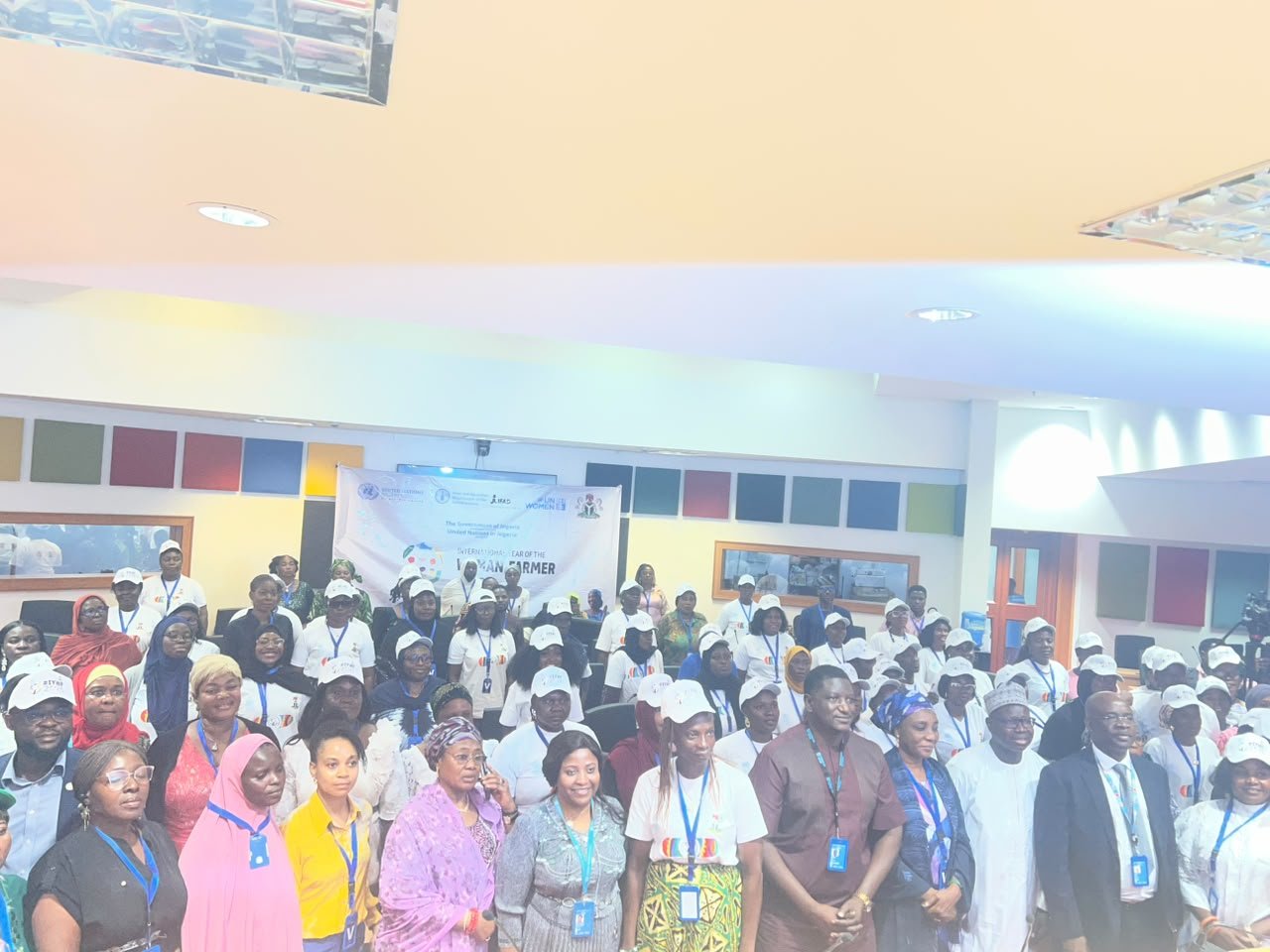
The organisations made the call on Tuesday in Abuja at the national commemoration of the International Year of the Woman Farmer (IYWF) 2026, where stakeholders celebrated the resilience and contributions of millions of Nigerian women to food production while demanding greater recognition of their economic and leadership roles.
The event, held at the United Nations House Auditorium under the theme, “Advancing Women’s Leadership and Economic Power in Nigeria’s Agrifood System,” brought together government officials, development partners, farmer organisations, financial institutions and women farmer leaders.
Delivering a welcome address on behalf of the FAO Representative in Nigeria and to ECOWAS, Dr. Hussein Gadain, Senior Programme Officer in the Office of Emergency and Resilience, Jimmy Owani, said the commemoration was not only an opportunity to celebrate women’s achievements but also a call to dismantle the structural barriers preventing them from reaching their full potential.
Owani, citing FAO’s State of Women in Agrifood Systems report, said women constitute about 41 per cent of the global agrifood workforce and contribute across virtually every segment of the sector as farmers, livestock keepers, fishers, processors, traders, entrepreneurs and innovators.
Despite their enormous contribution, he said women continue to face deep inequalities in access to productive resources, finance and decision-making.
He noted that closing gender gaps in agricultural productivity and wages could inject nearly $1 trillion into the global economy and contribute significantly to reducing food insecurity.
According to him, agriculture contributes between 22 and 25 per cent of Nigeria’s Gross Domestic Product and supports the livelihoods of more than 70 per cent of rural households, while women account for an estimated 37 per cent of labour in crop production.
“The gender gap in agricultural productivity costs Nigeria about $2.3 billion annually, equivalent to roughly two per cent of GDP,” he said.
The FAO representative called for stronger partnerships between government, the private sector, financial institutions, farmer organisations and development partners to create an enabling environment in which women-led agricultural enterprises can grow and compete.
He said women must no longer be viewed merely as contributors to agricultural production but recognised as decision-makers, innovators, investors and leaders across producer organisations, cooperatives, agribusinesses, financial institutions and policy platforms.
FAO also pledged to deepen its support for women through climate-smart agriculture, financial inclusion, market access and gender-responsive policies.
In a goodwill message delivered on his behalf by Chioma Adiele-Okpara, Country Programme Coordinator, IFAD Country Director, Mohamed El-Ghazaly, said the commemoration was an opportunity to recognise and amplify the voices of women who remain at the heart of Nigeria’s food systems.
El-Ghazaly said women farmers produce food, process agricultural commodities, manage rural enterprises and strengthen the resilience of their communities, yet continue to encounter barriers to land, finance, technology, extension services, markets and leadership.
He said the women farmer leaders participating in the event from IFAD-supported projects across 17 states should not be regarded as mere beneficiaries of development interventions, but as entrepreneurs, processors and cooperative leaders capable of driving agricultural transformation.
El-Ghazaly disclosed that IFAD-supported programmes, including the Value Chain Development Programme (VCDP), Livelihood Improvement Family Enterprises in the Niger Delta (LIFE-ND) and Special Agro-Industrial Processing Zones (SAPZ), have reached at least 96,827 women.
Under VCDP, he said 87,888 women belong to supported rural producer organisations, while 36,572 have received training in crop production technologies and 50,613 have accessed advisory services. Nearly 60,000 female household members have also been supported to cope with the effects of climate change.
He added that LIFE-ND had trained 17,201 women in crop production and fisheries, with 11,003 accessing savings, 9,568 accessing credit, 11,382 benefiting from insurance and 14,654 receiving financial literacy training.
Similarly, SAPZ has trained 5,815 women in improved crop production practices while expanding opportunities for women to access finance and employment.
According to El-Ghazaly, IFAD remains committed to working with the government, development partners, private sector and women farmers themselves to ensure that women emerge as equal partners and decision-makers in Nigeria’s agrifood transformation.
The World Food Programme also stressed the need to strengthen women’s contribution to agriculture by increasing their productivity, incomes and participation in value creation.
WFP Deputy Country Director, Edouard Thiam, said farmers in areas where the organisation operates have been hit by conflict, insecurity, climate shocks and rising costs, making it increasingly difficult for farming households to remain productive.
He said WFP had, over the past five years, worked with farming communities across northern Nigeria, with 128,000 women forming a major part of its interventions.
The interventions, he explained, included the provision of seeds, fertiliser, equipment and storage facilities, as well as investments in irrigation, market linkages and resilience hubs.
Thiam disclosed that more than 70 per cent of jobs created through WFP activities had gone to young women, adding that the resilience hubs had also extended economic opportunities to traders, transporters and processors.
He said WFP’s local food procurement model was helping to retain investment and employment within Nigeria, stressing that women farmers must be at the centre of efforts to expand the country’s agricultural economy.
Representing the UN Women Country Representative to Nigeria and ECOWAS, Beatrice Eyong, Programme Manager Peter Mancha said women account for about half of Nigeria’s population but remain severely underrepresented in decision-making structures, occupying less than five per cent of leadership positions.
Eyong noted that women account for about 70 per cent of farmers and dominate many agricultural activities at the grassroots, yet men frequently capture a greater share of the value generated from agricultural production because they control processing and marketing.
She cited Irish potato production as an example of a value chain where women contribute significantly to production but often have less control over subsequent stages of the business.
She called for deliberate policies to move women from subsistence farming into commercial agriculture, alongside greater access to technology, climate-smart agriculture and finance.
Eyong also demanded stronger representation of women in budgeting and policy decisions at both national and subnational levels.
She raised concerns over the growing threat posed by insecurity, including kidnapping, rape and other forms of violence, to women farmers, particularly those working in vulnerable rural communities.
According to her, women should not only be seen as victims of conflict but also recognised as important actors in peacebuilding and community resilience.
She called on men and traditional rulers to support gender equality and assured Nigerian women farmers of continued UN support.
The Federal Ministry of Agriculture and Food Security said the declaration of 2026 as the International Year of the Woman Farmer was intended to raise awareness, mobilise action and accelerate investment in women’s participation across Nigeria’s agrifood systems.
Represented by Deputy Director, Lands and Climate Change, Iyabo Lawal Muktar, the ministry said women play critical roles in producing, processing, trading, financing and consuming food, while also contributing to livestock, fisheries, forestry, extension services, research, digital entrepreneurship, cooperative leadership and policymaking.
The ministry disclosed that it had validated a revised national gender policy for agrifood system transformation, alongside the GADEP declaration covering 2026 to 2035 and a gender component under NGC 3.0.
It identified securing women’s land rights, improving access to credit and insurance, and expanding opportunities in mechanisation and digital agriculture among the key pathways to women’s economic empowerment.
The ministry also called for greater use of sex-disaggregated data to expose gender gaps and urged stakeholders to move women from the status of beneficiaries to decision-makers on agricultural boards and other institutions shaping the sector.
Chairperson of the FCT chapter of the All Farmers Association of Nigeria (AFAN), Lady Perpetual Okafor, said empowering women farmers was fundamental to building stronger families, transforming communities and accelerating national development.
She noted that women currently head two AFAN state chapters , FCT and Akwa Ibom, and account for 50 per cent of executives from the FCT state level to area council structures.
Okafor also challenged the perception that the Federal Capital Territory has no farmers, noting that agriculture remains the principal livelihood for many communities outside the territory’s urban centres.
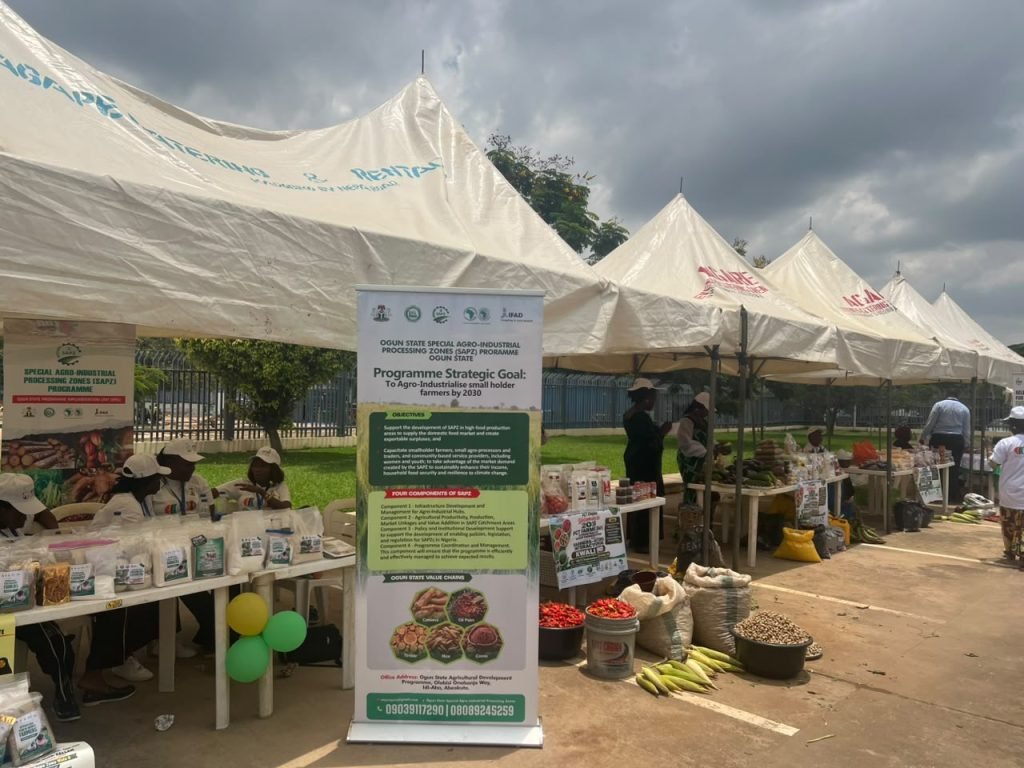
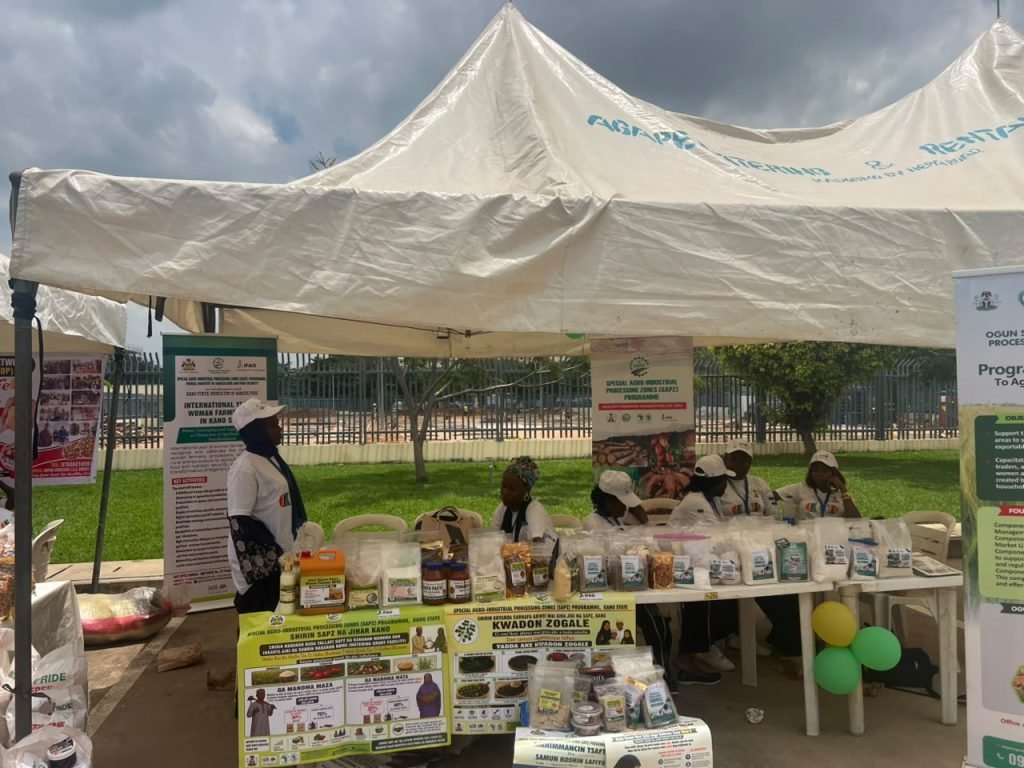
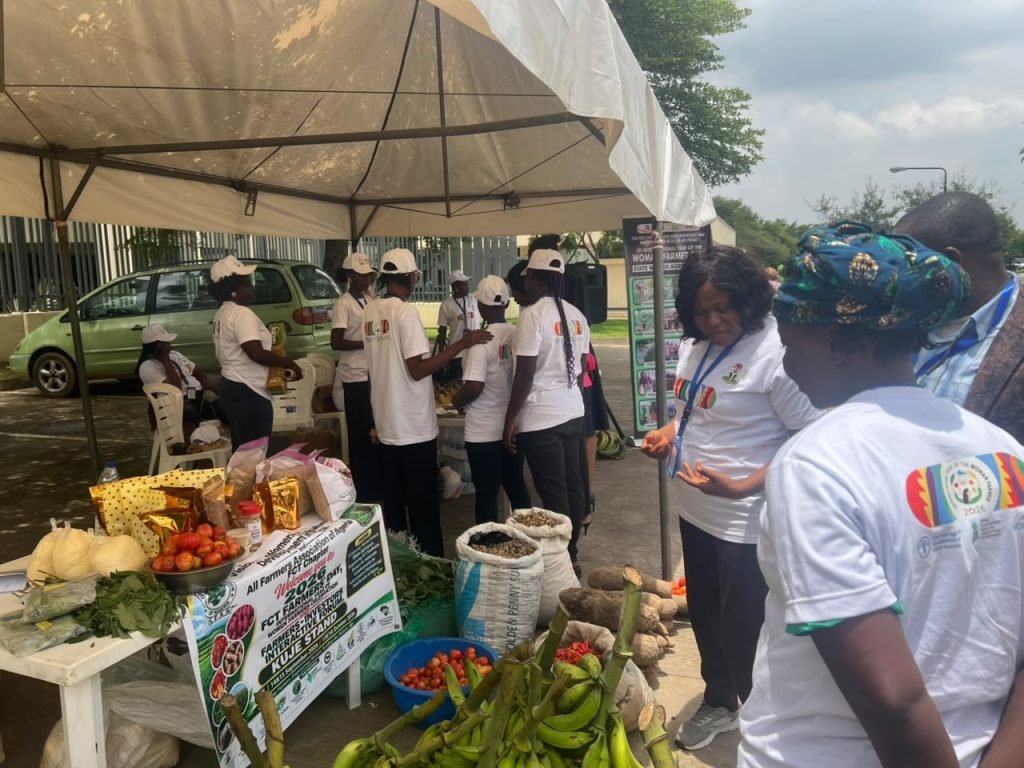
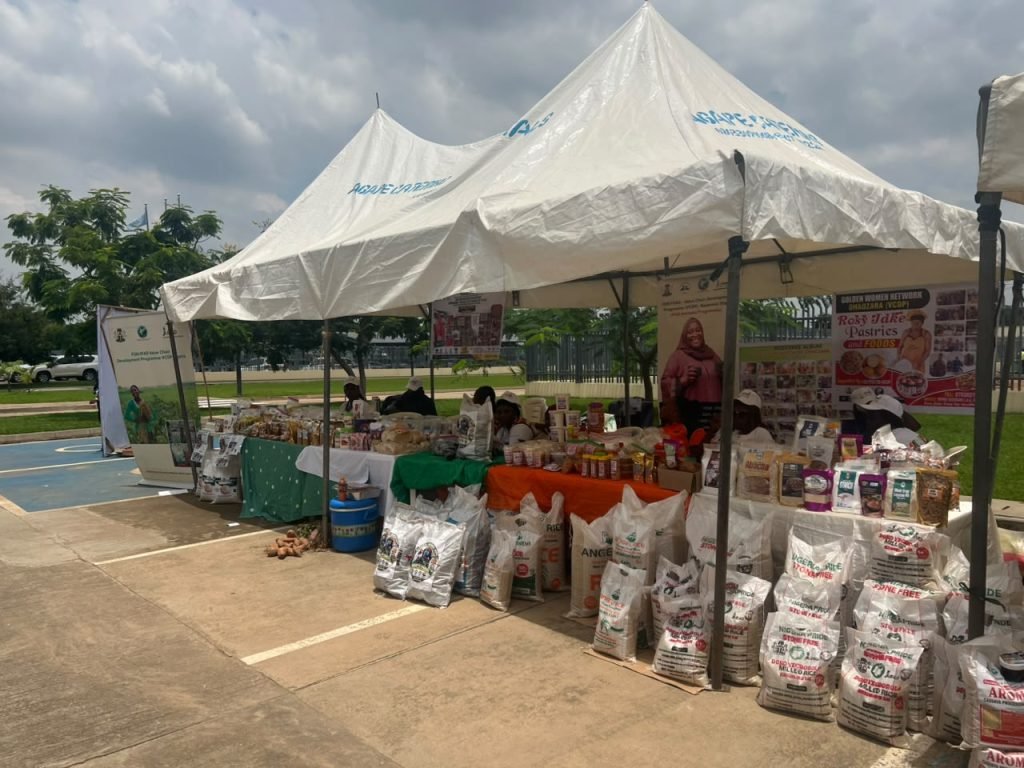
She said the FCT AFAN chapter had partnered with FAO for three years to organise farmers’ markets, creating greater opportunities for women to participate in the agrifood economy.
“To empower women is to empower a nation. Nothing you put in a woman’s hand will spoil. Women always give back,” she said.
Okafor called for the IYWF commemoration to become an annual event, declaring that the movement to empower women farmers must be sustained.
“Recognising the contribution of Nigerian women farmers is no longer enough. The country must invest in their economic power, protect their rights and give them a decisive voice in the institutions and policies shaping the future of agriculture,” Stakeholders reached a common conclusion that Nigeria cannot achieve sustainable food security, inclusive agricultural growth or resilient rural economies while millions of women who drive the agrifood system remain constrained by unequal access to land, finance, technology, markets and leadership.