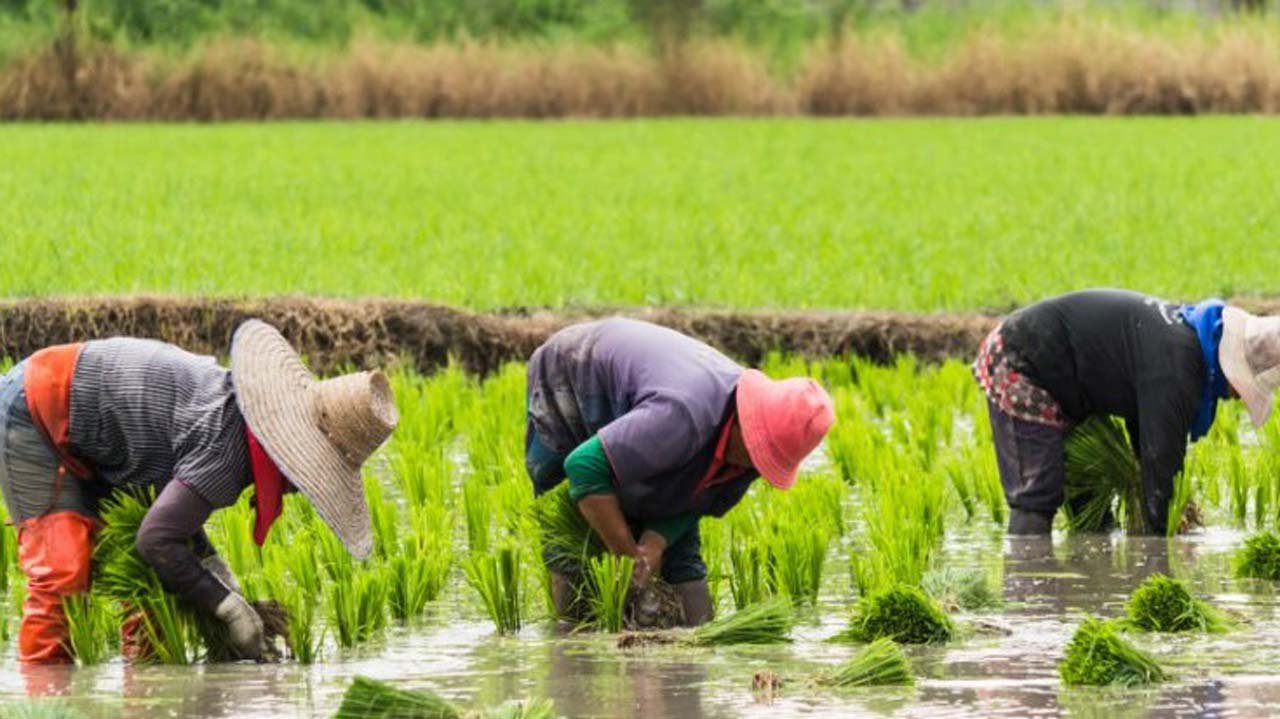

Farmers in Dutse, Jigawa State, have voiced concern over the irregular rainfall pattern affecting the current farming season, warning that the situation could negatively impact crop production if it persists.
The inconsistent rains have compelled many farmers to postpone the cultivation of water-intensive crops due to fears of poor harvests.
Several farmers said the extended dry spell that followed the initial rains had hampered crop establishment, while the uncertainty surrounding rainfall had disrupted normal farming operations. They shared their concerns in separate interviews conducted on Friday in Dutse.
One of the farmers, Ayuba Sadisu, described the unpredictable rainfall as a serious setback, noting that many farmers had planted their crops in anticipation of steady rainfall throughout the season.
Another farmer, Yahaya Haruna, said the situation posed a significant threat to smallholder farmers, whose agricultural activities depend almost entirely on rainfall.
A farm labourer and ox-ploughing service provider, Salihu Auwalu, said the unstable weather conditions had also affected his business by reducing demand for land preparation services.
His words: “Many farmers usually engage my services to prepare their rice fields, but most of them have suspended the work because they are waiting for the rains to become consistent before cultivating the farmlands.
“Without adequate rainfall, crops are at risk of withering before they become properly established.”
An agricultural expert, Hussaini Tukur, explained that inconsistent rainfall at the onset of the rainy season could hinder seed germination, weaken crop establishment and delay planting, particularly for crops that require large amounts of water, such as rice.
He advised farmers to rely on weather forecasts issued by the Nigerian Meteorological Agency (NiMet) before planting and to adopt appropriate agronomic practices to reduce the risk of crop losses.
“Farmers should avoid rushing to plant immediately after the first rainfall. They should ensure the rainy season is fully established, cultivate drought-tolerant or early-maturing seeds, and seek guidance from extension officers,”he said.