
SIAL Paris 2026 has reinforced the growing importance of food sovereignty in global agricultural and food policy, bringing together government leaders, policymakers, international organisations and food industry stakeholders to address the challenges of food security, innovation and the future of global food systems.
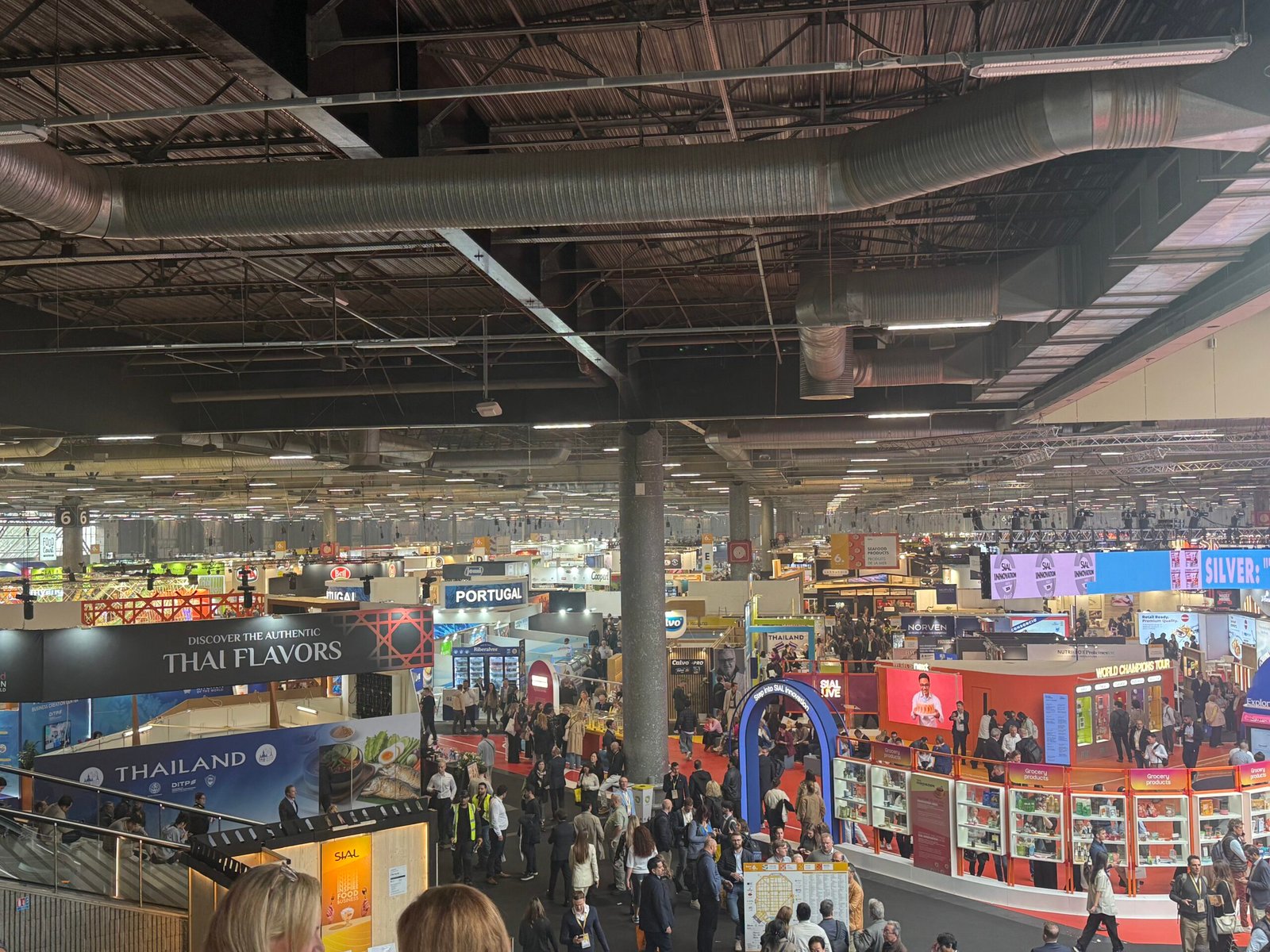
The five-day exhibition, which closed on October 21 in Paris, France, attracted 305,000 professionals from 192 countries and regions, transforming the French capital into a global meeting point for discussions on how countries can strengthen food systems, secure supply chains and respond to changing consumer demands.
Held under the High Patronage of French President Emmanuel Macron, the biennial event went beyond its traditional role as an international food trade exhibition, placing food sovereignty at the centre of diplomatic engagements, policy discussions and commercial partnerships.
One of the defining moments was a high-level meeting of G7 agriculture ministers on October 19, organised at France’s initiative to address food security and food sovereignty.
The meeting brought together ministers and representatives from Canada, Germany, the United States, Italy, Japan and the United Kingdom, alongside European Commissioner for Agriculture and Food, Christophe Hansen.
France’s Minister of Agriculture, Agri-food and Food Sovereignty, Annie Genevard, opened the meeting, underscoring the importance of international cooperation in addressing the vulnerabilities and emerging pressures confronting global food systems.
The diplomatic dimension of the exhibition extended beyond the G7 meeting, with official delegations from Poland, Malta and Lebanon, nearly 60 ambassadors and more than 100 diplomatic and international delegations participating.
Organisers also reported the presence of 20 French and international ministers, alongside more than 40 members of parliament and senators.
For SIAL Paris Director, Jean-Gabriel Mollard, the gathering demonstrated that the challenges confronting the food industry require coordinated responses across national borders and institutional boundaries.
“The major challenges facing food know no borders or silos,” Mollard said, describing SIAL Paris as a platform where countries engage in dialogue and influence the future trade relationships and dynamics of the global food industry.
The participation of 130 countries and regions, including 16 exhibiting for the first time, further demonstrated the growing international interest in the exhibition as a platform for agricultural transformation, food trade and strategic partnerships.
India, the Partner Country for the 2026 edition, showcased its ambitions to strengthen its position in international food markets through the participation of approximately 150 exhibitors across 2,000 square metres.
Organised through the India Trade Promotion Organisation, the country’s participation highlighted the transformation of its agricultural sector and its ambition to establish a strategic partnership with SIAL Paris and the wider SIAL Network.
The development comes as the European Union-India free trade agreement advances through ratification, creating additional opportunities for international agricultural and food trade cooperation.
Beyond policy and diplomacy, the scale of commercial participation illustrated the economic significance of the global food industry.
SIAL Paris 2026 attracted 305,000 visitors, 72 per cent of whom were international, representing an estimated €100 billion in purchasing power. The exhibition hosted 8,000 exhibitors showcasing 400,000 products, alongside approximately 12,000 leading international buyers.
More than 15,000 business meetings were facilitated through the exhibition’s matchmaking platform, supported by artificial intelligence-powered connections, a new Meet & Match area and the introduction of SIAL Analytics, a strategic intelligence tool for tracking global food innovation.
However, the conversations around the future of food extended beyond trade volumes and commercial opportunities to include changing consumer expectations, nutrition, sustainability and innovation.
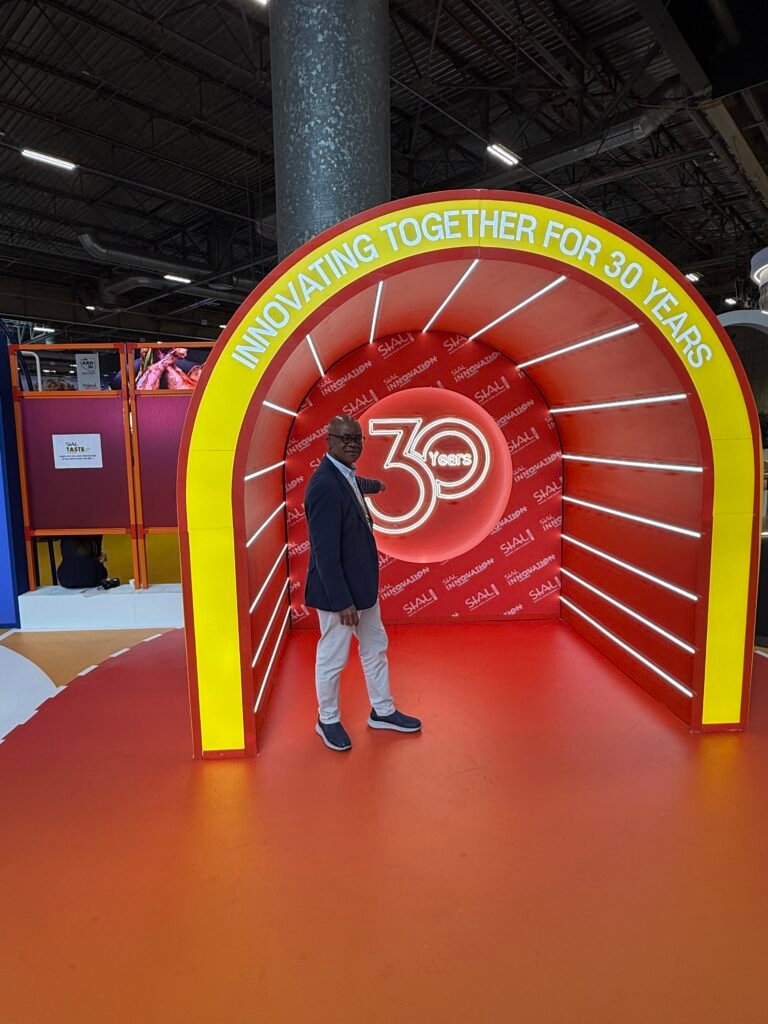
The 30th anniversary edition of SIAL Innovation recorded more than 2,750 product submissions, with 775 selected for recognition. The innovations reflected emerging consumer preferences for sensory experiences, functional health benefits and convenient food options, particularly the growing popularity of snacking.
More than 650 start-ups also participated, while the SIAL for Change programme showcased corporate social responsibility initiatives.
The SIAL Insights 2026 report provided further perspectives on changing food consumption patterns, identifying ten major trends shaping the industry. Among its findings was that 69 per cent of consumers worldwide increasingly view their food choices as a civic act.
The SIAL Summits explored issues ranging from feeding a world under pressure to personalised nutrition and food intelligence, while the newly introduced StrEat Lab provided a dedicated space for street food innovation.
For industry participants, the exhibition’s value also lay in its ability to connect emerging market opportunities with international buyers and anticipate developments across global food supply chains.
Madison Robertson, Grocery Category Manager at Sprouts Farmers Market, who participated in the Hosted Buyers programme, described SIAL Paris as an essential platform for discovering new products, building business relationships and anticipating international market developments.
The exhibition’s commitment to broader social responsibility was also reflected in its longstanding partnership with the French Red Cross, through which food products are collected and distributed to people in need. The 2026 edition recorded 45 tonnes of food donations, continuing a collaboration that has lasted more than 20 years.
As the flagship event of the SIAL Network, which operates 11 international exhibitions across cities including Montreal, Shanghai, Jakarta and Mumbai, SIAL Paris forms part of Comexposium’s Food & Beverage division, which brings together 35 events and approximately 1.5 million participants worldwide.
Looking ahead, organisers announced that the October 2028 edition will expand across two venues, Paris Nord Villepinte and Paris Le Bourget, to accommodate the exhibition’s growing scale and improve its services and presentation.
The 2026 edition ultimately reinforced the argument that food sovereignty is no longer solely a national agricultural policy concern but an increasingly important issue in international diplomacy, investment, trade and food system transformation.
By bringing political leaders and industry stakeholders into the same space, SIAL Paris demonstrated how global food exhibitions can serve not only as marketplaces for products and business partnerships but also as platforms for shaping the policies, relationships and innovations that will influence the future of food.