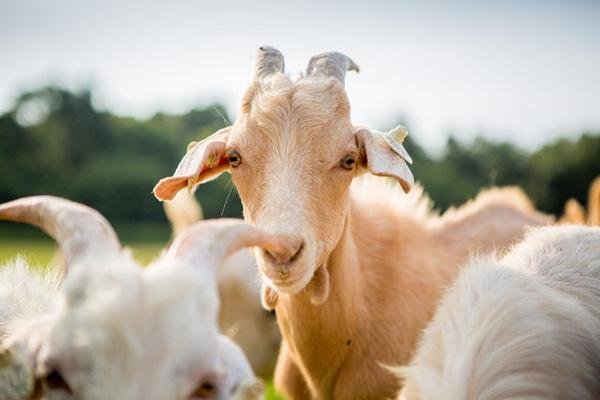

The National Sheep and Goat Development Association of Nigeria has called on young Nigerians and workers in active service to invest in sheep and goat farming, saying the livestock business has the capacity to create jobs, generate wealth, strengthen food security and support the country’s economic diversification efforts.
The appeal was made by the National President of the National Sheep and Goat Development Association of Nigeria, Abdullateef Ahmed, during the association’s annual conference held in Bauchi on Wednesday. The gathering focused on the theme, Small Ruminants for National Prosperity: Advancing Sheep and Goat Development for Food Security, Job Creation and Economic Diversification.
Ahmed advised youth, including civil servants and other workers, to begin investing in livestock production while still in active employment instead of postponing such plans until retirement.
He said sheep and goat farming has evolved beyond a traditional rural activity and should now be viewed as a commercial enterprise with the potential to create sustainable wealth, expand employment opportunities and support national economic growth.
According to him, the small ruminant industry remains one of the easiest agricultural ventures for women, youths, retirees and rural families to enter. He noted that the sector plays an important role in food production, income generation and improving the livelihoods of millions of Nigerians.
Despite its potential, Ahmed identified several obstacles limiting growth in the industry. These include recurring animal diseases, poor breeding systems, inadequate access to finance, insecurity, weak market structures and underdeveloped value chains.
He said the association would continue to equip farmers with practical skills through training programmes, mentorship and improved market connections to strengthen livestock production across the country.
Ahmed also praised President Bola Tinubu for creating the Federal Ministry of Livestock Development, describing the decision as a major boost for livestock production. He said the establishment of the ministry has renewed confidence among sheep and goat farmers and created fresh opportunities for the industry.
He equally acknowledged the support of the Bauchi State Government for hosting the conference and for its continued investment in agriculture and livestock development. He added that the association is prepared to work closely with governments, development organisations, research institutions, financial bodies and private investors to unlock the economic potential of the livestock sector.
The association’s president further appealed for greater collaboration with livestock development programmes operating in different states. He expressed the hope that Bauchi would benefit from initiatives similar to those already underway in Ekiti, Kaduna and Adamawa states.
He also called on members of the association across the country to remain united in their efforts to position Nigeria as a major producer and exporter of high quality sheep and goat products.
Speaking on behalf of Bauchi State Governor Bala Mohammed, the Commissioner for Livestock Development, Dr Bala Lukshi, officially declared the conference open and described sheep and goat production as a vital aspect of Nigeria’s livestock economy.
Lukshi said the state government had approved the upgrade of an existing sheep and goat facility into a Small Ruminant Development Centre. He explained that the centre would improve breeding programmes and provide farmers with access to superior breeding stock for increased productivity in Bauchi and other parts of the country.
The commissioner also stressed the need for livestock producers to adopt modern production methods, including ranching and improved pasture management, as practical solutions to the recurring conflicts between farmers and herders.
Drawing from his participation at an international symposium in China, Lukshi said effective pasture management makes it possible to rear large numbers of animals within limited land space. He added that this approach would reduce dependence on open grazing and seasonal movement of livestock.
According to him, growing population pressure and the steady decline in available grazing land make it necessary for herders to embrace modern livestock practices that improve productivity while reducing disputes with farming communities.