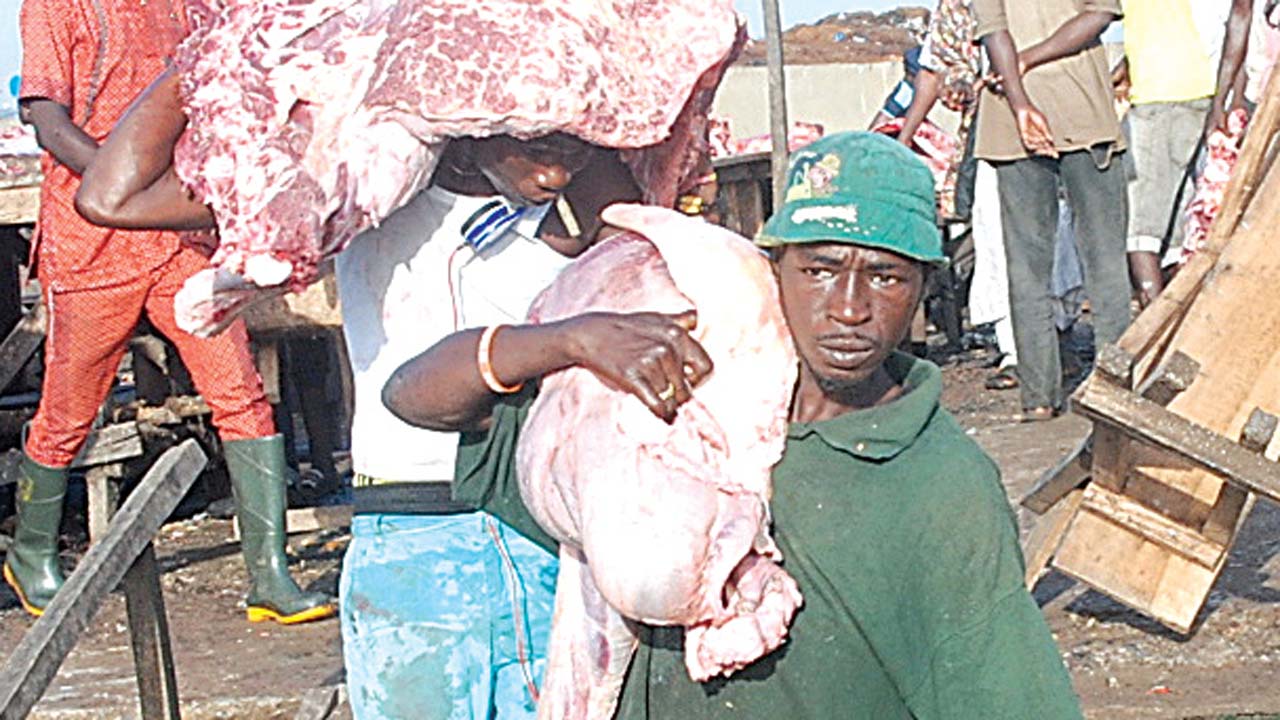

Concerns have been raised over the movement of unhealthy livestock into Abia markets following reports that the state lacks enough veterinary facilities and personnel to properly inspect animals before they are sold for consumption.
The warning came from the leader of the Tsetse Fly Surveillance and Control Project, Gilbert Okoro, after a verification exercise across the state’s three senatorial districts. He said information gathered during the exercise pointed to serious gaps in animal health regulation, particularly at the Lokpanta Cattle Market, regarded as the largest livestock trading centre in southern Nigeria.
According to Okoro, findings from the market indicated that animals suffering from diseases often find their way into the wider market because there are too few veterinary clinics and an inadequate number of officials to carry out routine inspections and disease surveillance.
He urged the Abia State Government to establish veterinary clinics in each of the three senatorial districts, explaining that additional state owned facilities would strengthen disease detection, improve monitoring of livestock and enhance food safety for residents.
Okoro commended Governor Alex Otti for ongoing improvements in the state’s health sector but warned that inadequate veterinary oversight at major livestock markets could threaten those gains if animal diseases are not effectively checked before meat reaches consumers.
He also described as unfortunate the previous decision not to locate the federal veterinary clinic, originally approved for Abia, at the strategically important Lokpanta Cattle Market. According to him, placing the facility elsewhere denied the market the level of supervision required for a major livestock trading centre.
The project leader explained that the Federal Ministry of Livestock Development is currently providing one veterinary clinic to each state and cannot establish additional federal facilities beyond that allocation. He therefore encouraged the state government to complement the federal intervention by setting up its own veterinary centres.
Okoro expressed appreciation to the Abia Government for supporting the surveillance exercise and encouraged other states to provide similar assistance in efforts aimed at protecting public health.
During an earlier inspection of the market, veterinary technician Chimobi Ebisike identified several safety concerns, including the absence of a permanent security presence and the lack of a functional veterinary clinic within the facility.
He said emergency responses remain slow because security personnel have to travel from Umuahia whenever incidents occur, leaving enough time for problems to escalate before help arrives.
Ebisike also alleged that some livestock traders administer drugs such as procaine penicillin to weak or sick animals to make them stand before prospective buyers, thereby creating the impression that the animals are healthy and increasing their selling price.
He noted that although it may not be possible to achieve complete control over activities at the expansive livestock market, deploying adequate veterinary personnel alongside a properly equipped clinic would significantly reduce unsafe practices.
He further appealed for increased funding, effective implementation of government programmes and stronger supervision of the Veterinary Department under the Ministry of Agriculture to safeguard consumers against avoidable health risks linked to contaminated meat.