
Agritech specialist, Bisola Aduba has urged Nigeria to embrace precision agriculture as a sustainable strategy for increasing food production, saying technology offers a more effective solution than expanding cultivation into dwindling arable land.
Speaking in an interview in Abuja on Wednesday, Ms Aduba said the country must maximise productivity on existing farmland as desertification, insecurity and rapid population growth continue to place pressure on agricultural resources.
She noted that farming communities in Benue and Southern Kaduna, in particular, should prioritise technology-driven productivity improvements instead of opening up new farmland, which could heighten conflicts over grazing routes.
“To double yields on half the land without encroaching on stock routes, farmers in Benue and Southern Kaduna must shift from land expansion to data-driven intensification,” she said.
According to Ms Aduba, precision agriculture begins with targeted soil mapping, which enables farmers to understand the specific characteristics of different sections of their farmland rather than relying on general assumptions.
She explained that digital soil mapping can reveal soil acidity levels, organic matter content and nutrient deficiencies, allowing farmers to apply fertilisers and other nutrients only where they are required.
The approach, she said, reduces unnecessary input use, lowers production costs, restores degraded soils more effectively and ultimately improves crop yields.
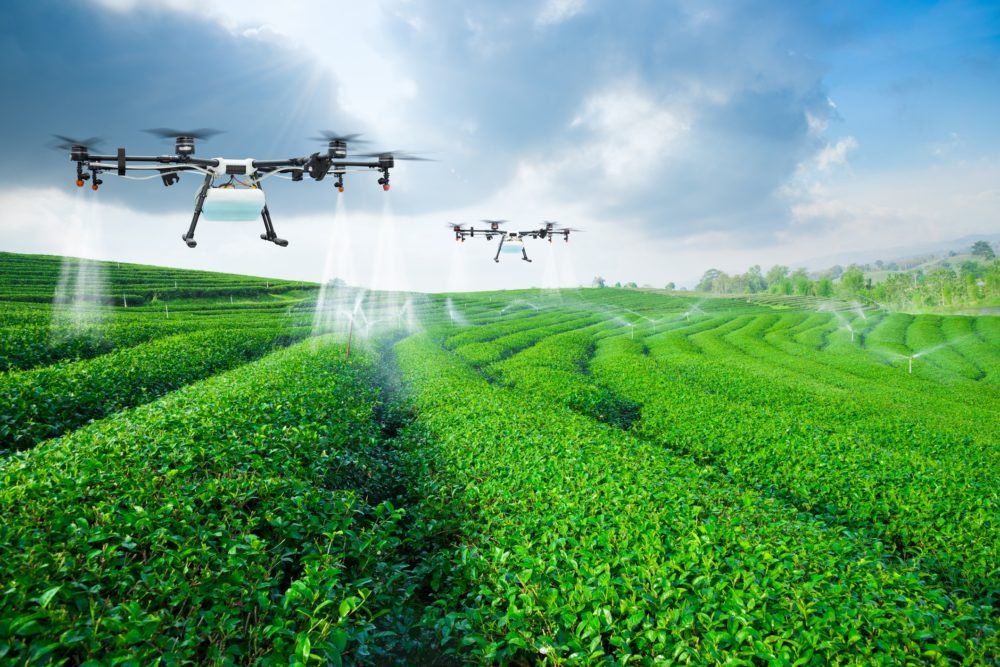
Ms Aduba also highlighted the growing role of drones equipped with multispectral sensors, noting that they can identify crop stress, pest infestations and moisture deficiencies before these problems become visible.
She explained that early detection enables farmers to respond quickly, reducing crop losses and protecting household incomes.
The expert added that drone-assisted spot spraying ensures pesticides and other treatments are applied only to affected areas, thereby reducing chemical use while safeguarding healthy crops, surrounding vegetation and water bodies.
“Instead of treating entire fields, farmers can focus only on affected areas, cutting chemical use considerably while preserving healthy crops and reducing production losses,” she said.
She further explained that precision agriculture incorporates sensor-based irrigation systems and automated planting technologies that optimise water use and plant spacing.
According to her, supplying water directly to crop root zones and maintaining optimal plant populations can substantially increase yields per hectare without the need to cultivate additional land.
Ms Aduba also pointed to the role of digital mapping and geo-fencing technologies in improving relations between farmers and pastoralists.
She said accurately mapped farm boundaries and designated grazing corridors would help prevent encroachment, reduce conflicts and promote more sustainable land-use practices.
The agritech expert called on governments, agricultural extension agencies and development partners to improve farmers’ access to digital soil data, drone services and other precision agriculture technologies.
She said expanding the adoption of these innovations would strengthen food security, increase farmers’ incomes and help Nigeria meet rising food demand despite declining arable land and mounting environmental challenges.