
By Ify Mgbemena
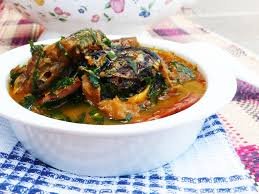
Ofe Owerri hails from the heart of Imo State, a true Igbo classic that’s all about abundance and tradition. It’s packed with assorted meats, fragrant leaves, and those bold local flavors that just come together right. If you’re aiming to cook like a pro in an Igbo kitchen, this is your starting point.
Ingredients:
* Assorted meat (beef, shaki, cow skin/kpomo)
* Dry fish & stockfish (okporoko)
* Snails (optional but very traditional)
* Ground crayfish
* Ogiri (locust bean paste)
• Ukazi leaves (sliced)
* Ugu leaves (pumpkin leaves, sliced)
* Cocoyam (as thickener) or ofe owerri mix
* Palm oil (red oil)
* Seasoning cubes
* Salt
* Pepper (fresh or dry)
* Water
Preparation Steps:
1. Prepare your cocoyam (thickener):
Boil the cocoyam until soft. Peel and pound it smoothly. Set aside.
(This is what gives Ofe Owerri its signature thickness and body.)
2. Cook the assorted meat:
Season your meat with salt, seasoning cubes, onions, and a little pepper. Cook until tender. Add stockfish and dry fish and let everything soften well. Preserve the stock—this is flavor gold.
3. Build the base:
Add palm oil into the pot of meat and stock. Allow it to heat and combine properly—don’t bleach the oil.
4. Add crayfish and ogiri:
Stir in ground crayfish and a small amount of ogiri. This is where the deep, traditional aroma comes alive. Let it simmer.
5. Thicken the soup:
Add your pounded cocoyam in small lumps. Allow it to dissolve gradually. Stir gently until the soup thickens to a rich consistency.
6. Add snails (if using):
Clean thoroughly with salt and lime. Add them now and let them cook into the soup.
7. Introduce the vegetables:
First, add the sliced ukazi leaves. Stir and allow it to soften slightly, this gives that distinct taste; it’s the major vegetable for your signature Ofe Owerri.
Then add ugu leaves.
8. Final seasoning:
Taste and adjust with salt and seasoning cubes. Add pepper if needed. Allow it to simmer for a few minutes, do not overcook the vegetables.
Your Ofe Owerri should be thick, richly colored, and generously loaded.
You can serve hot with pounded yam, fufu, or semovita.