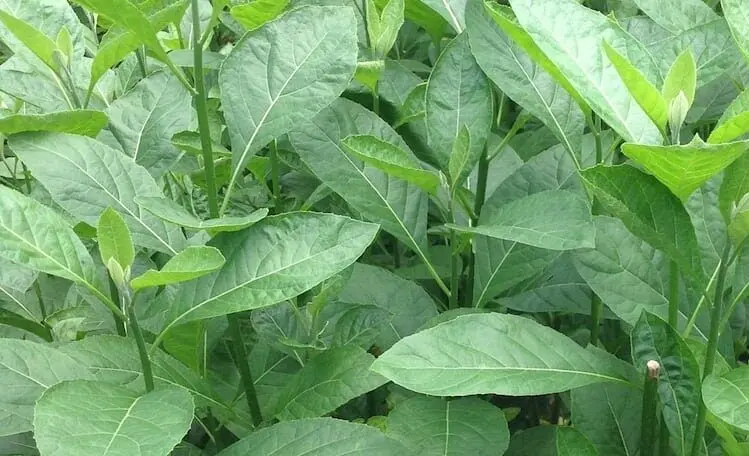

Bitter leaf, popularly known across many African homes and scientifically called Vernonia amygdalina, remains one of the most valuable indigenous plants widely consumed for both nutritional and medicinal purposes. Despite its bitter taste, the plant has continued to gain relevance in agriculture, health, food production, and local commerce due to its enormous benefits to human wellbeing and economic sustainability.
Commonly cultivated in Nigeria and several parts of Africa, bitter leaf is used in preparing soups, herbal mixtures, teas, and even livestock feed. Beyond its culinary value, many communities have relied on the leaf for generations as a traditional remedy for various health conditions. The plant contains essential nutrients and bioactive compounds such as vitamins A, C, and E, antioxidants, calcium, potassium, iron, and fibre, all of which contribute to its nutritional importance.
One of the most talked-about benefits of bitter leaf is its contribution to digestive health. Many people consume bitter leaf juice or meals prepared with the leaf to aid digestion, reduce stomach discomfort, and improve bowel movement. It is also believed to help stimulate appetite and support the body’s detoxification process by helping the liver function more effectively.
Studies and traditional practices have also associated bitter leaf with blood sugar management. In many local communities, it is commonly recommended for individuals managing diabetes because of its potential ability to reduce blood glucose levels. In addition, its antioxidant properties may help reduce inflammation and support the immune system, making it beneficial for general wellness.
Bitter leaf is also linked to cardiovascular health. Some health experts suggest that regular but moderate consumption may help reduce bad cholesterol levels and improve blood circulation. In rural settings, the leaf is sometimes used as part of herbal remedies for fever, weakness, and malaria-related symptoms. Though scientific research continues on some of these claims, the plant remains highly respected in traditional medicine.
Beyond human health, bitter leaf also holds agricultural and economic value. Farmers cultivate the crop because it is relatively easy to grow, adaptable to different soil conditions, and capable of surviving varying weather conditions. This makes it an important source of livelihood for smallholder farmers, especially women involved in vegetable farming and local market trading.
The commercial demand for bitter leaf continues to increase due to urban consumption, food businesses, restaurants, and herbal product manufacturers. In many Nigerian markets, processed bitter leaf is sold daily, while some entrepreneurs now package bitter leaf juice, powders, and herbal tea products for wider distribution. This growing value chain creates income opportunities in farming, processing, packaging, transportation, and retail.
In the livestock sector, bitter leaf has also shown promise as a natural feed additive for animals. Some farmers use it in poultry and fish farming because of its perceived antimicrobial properties and nutritional value. This has contributed to ongoing conversations around sustainable and organic farming alternatives.
However, despite its many benefits, excessive consumption of bitter leaf may come with side effects. Due to its blood sugar-lowering effect, individuals already taking medications for diabetes are often advised to consume it cautiously to avoid excessively low sugar levels. Pregnant women are also encouraged to seek medical advice before consuming concentrated bitter leaf extracts regularly. In some cases, excessive intake may lead to stomach irritation, nausea, or digestive discomfort, particularly when consumed in highly concentrated forms.
Another important concern is hygiene and processing methods. Since bitter leaf is often sold fresh in open markets, improper washing or handling can expose consumers to contamination. Farmers and vendors therefore have a responsibility to ensure proper cultivation, handling, and preservation standards.
As interest in natural foods, organic medicine, and sustainable agriculture continues to rise globally, bitter leaf stands as more than just a traditional vegetable. It represents a valuable agricultural resource with nutritional, medicinal, and economic significance. Its relevance in food security, rural livelihoods, and natural health management highlights the need for greater investment in indigenous crops and agricultural research across Africa.
Bitter leaf may carry a bitter taste, but its contribution to health, agriculture, and economic development remains undeniably valuable.