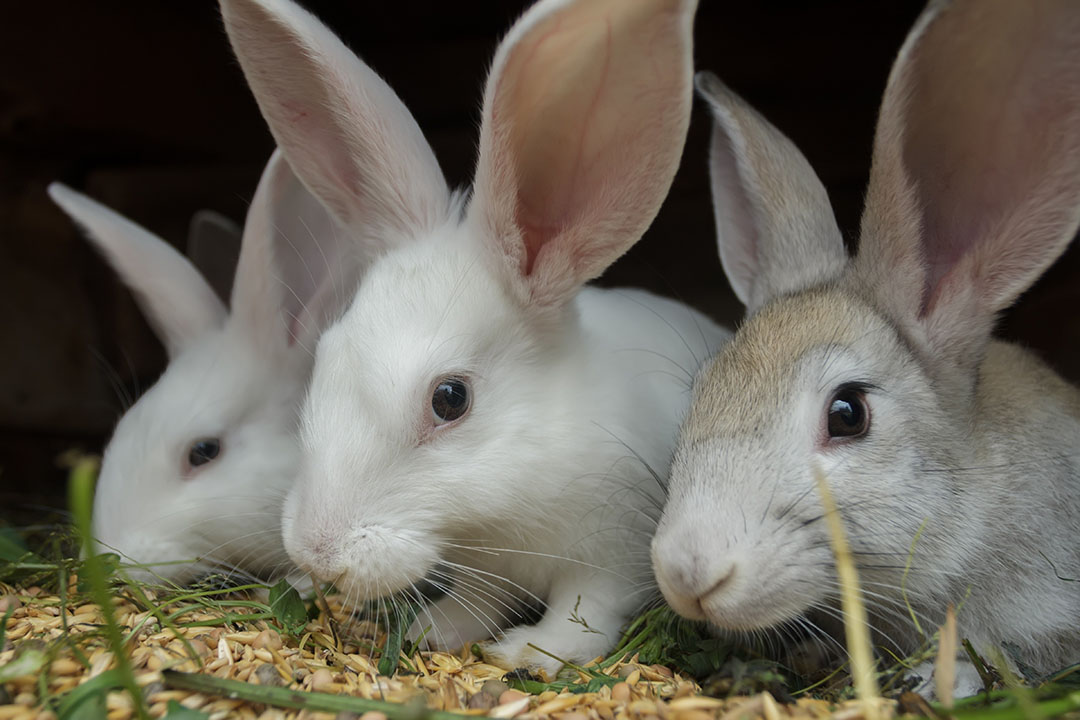

Rabbit production has been identified as a high-potential pathway for economic growth, job creation, and improved nutrition in Nigeria, as stakeholders intensify calls for greater investment in the largely untapped sector.
This position was reinforced during a public lecture held at the Bauchi State College of Agriculture to mark activities commemorating Rabbit Appetite Day, where experts underscored the need to scale both consumption and commercial production nationwide.
Speaking at the event, a registered animal scientist and lecturer at the Federal Polytechnic Damaturu, Sani Muazu, said Nigeria must prioritise the development of rabbit farming to unlock its economic value. He noted that the sector remains underdeveloped, with only about three to five per cent of the population engaged, largely at subsistence level with small family holdings.
He explained that despite the low participation rate, rabbit farming presents significant opportunities for expansion and commercialisation, given the animal’s high reproductive capacity and short gestation cycle of about 30 days, with the ability to produce up to 20 or more offspring annually.
Muazu further highlighted the enterprise’s accessibility, noting that its low feeding and housing requirements make it suitable for students, smallholder farmers, and urban dwellers seeking alternative income streams. He added that the rabbit value chain extends beyond production into breeding, feed supply, veterinary services, processing, and marketing, offering diverse employment opportunities.
On nutrition, he described rabbit meat as a healthy protein source, low in fat and capable of addressing widespread protein deficiency, while also emphasising its relevance to climate-smart agriculture. According to him, rabbits require less land and water and produce fewer greenhouse gas emissions compared to larger livestock, making them ideal for semi-arid environments.
However, he identified low awareness and high mortality rates among young rabbits as key constraints limiting the sector’s growth, calling for increased sensitisation and improved management practices.
Muazu urged youths and students to embrace rabbit farming as a viable agribusiness, encouraging them to start small and scale gradually. He also called on government and private sector actors to invest strategically in the development of the rabbit value chain.
In his remarks, the Provost of the Bauchi State College of Agriculture, Dr Ahmed Isah, described the initiative as timely, noting that it aligns with efforts to promote self-reliance among graduates.
He said expanding participation in rabbit farming could help tackle unemployment, as graduates transition from job seekers to job creators, while also improving livelihoods and contributing to national economic growth.