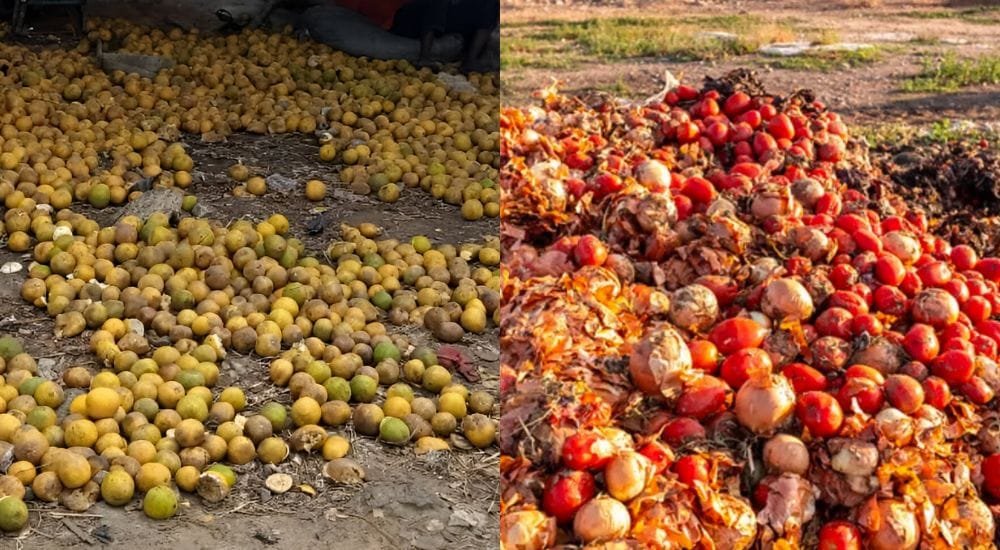

The World Agriculture Forum (WAF), Nigeria, has called for increased investment in agricultural technology, modern storage systems and efficient food supply chains to reduce post-harvest losses and improve food security across the country.
The Country Director of WAF Nigeria, Alexander Isong, made the call in a statement issued in Lagos on Thursday to mark the 2026 World Food Day, observed annually on October 16. This year’s theme is “Building Resilient Food Systems for a Food-Secure Nigeria.”
Isong said Nigeria possessed the agricultural land, workforce and market opportunities needed to become a major player in African agriculture, but stressed that realising this potential required coordinated efforts and strategic investment across the sector.
He urged the country to move beyond an approach centred mainly on farm production towards an integrated, commercially viable and technology-driven food system capable of connecting production with storage, processing, distribution and markets.
According to him, improving farm output would require access to quality inputs, mechanisation, irrigation, climate-smart farming practices, extension services and affordable financing.
He also identified inadequate storage and transportation infrastructure as critical challenges, calling for investment in pre-cooling systems, refrigerated transport, cold rooms and other modern preservation facilities to minimise losses after harvest.
Isong said strengthening these facilities would help maintain the quality of agricultural produce, extend its shelf life and ensure more food reaches consumers.
He further advocated stronger connections between farmers, processors, retailers, institutional buyers and export markets through structured trading arrangements, transparent market systems and effective quality assurance.
On agricultural financing, the WAF director urged stakeholders to mobilise private capital for commercially viable projects and make better use of existing funding mechanisms to lower investment barriers without placing undue pressure on public finances.
He also highlighted the potential of digital agriculture, artificial intelligence, precision farming, blockchain-enabled traceability, renewable energy and modern food-testing technologies to improve efficiency and strengthen the competitiveness of Nigeria’s agricultural sector.
Isong called for greater participation of women and young people in agriculture, saying their empowerment could help make the sector more attractive, profitable and responsive to technological advances.
He added that sustainable farming practices, responsible management of land and water resources, efficient energy use and climate adaptation measures were essential to building food systems capable of withstanding environmental and economic shocks.
The country director emphasised the need for stronger collaboration among federal and state governments, farmers’ organisations, financial institutions, technology providers, development agencies and private-sector operators to deliver lasting improvements.
He said, “Through the WAF Nigeria Country Council, we are committed to facilitating dialogue, coordinating stakeholders, promoting practical agricultural solutions and advancing investment opportunities capable of delivering measurable benefits to farmers, businesses and consumers.”
Isong urged stakeholders to move beyond declarations of commitment and pursue practical projects backed by measurable targets and sustainable investment.
He maintained that achieving food security in Nigeria would depend on political will, innovation, effective implementation and partnerships capable of expanding successful agricultural interventions.