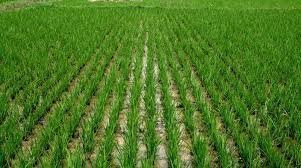

Nigeria could lose a combined 3.4 million metric tonnes of rice and maize production in the 2026/2027 market season, raising concerns over domestic food supply despite projected recovery in several export-oriented crops.
Rice production is forecast to decline by 1.9 million metric tonnes, while maize output is expected to fall by 1.5 million metric tonnes, according to AFEX Commodities Exchange’s 2026 Wet Season Crop Production Report.
The report, titled Feeding Our Growing Nation, presents a mixed outlook for the agricultural sector, projecting improved production of ginger, soya bean and cocoa even as major staple crops face output challenges.
Ginger production is showing signs of recovery following setbacks in previous seasons, while soya bean is expected to record higher output. Cocoa is also projected to achieve improved yields under favourable production conditions. Sesame retains a positive outlook, supported by export demand and domestic market opportunities, although disease outbreaks could constrain production.
AFEX attributed improved fertiliser availability during the 2026 wet season partly to subsidy interventions by federal and state governments, identifying access to farm inputs as one of the factors influencing production performance.
The report draws on primary survey findings from approximately 41,000 randomly selected farmers nationwide, complemented by secondary data from AFEX, the National Agricultural Extension and Research Liaison Services (NAERLS), the Food and Agriculture Organization (FAO) and the United States Department of Agriculture (USDA).
Commenting on the findings, Chief Executive Officer of AFEX Commodities Exchange Limited, Akinyinka Akintunde, called for stronger agricultural data systems and reforms to improve production capacity.
“We need to aggregate quality data, consolidate key successes and establish systems that will further strengthen agricultural production capacity to achieve food security,” Akintunde said.
To address the projected decline in staple crop production, AFEX identified improved access to finance, stronger agricultural infrastructure and targeted interventions as necessary measures. It also highlighted the need for adaptive strategies to help farmers navigate changing weather conditions and commodity price volatility.
The exchange called for stronger collaboration among government agencies, farmers, agribusinesses, financial institutions and development partners, noting that the projected recovery in export crops could open up investment opportunities and strengthen domestic value chains.
It stressed that translating agricultural intelligence into practical interventions, financing arrangements and market infrastructure would be critical to sustaining productivity and meeting the country’s growing food demand.