
The Federal Government has intensified its drive to tackle emissions challenges by advancing a climate-sensitive framework for Nigeria’s livestock sector, positioning it as a key pathway toward sustainable development and improved productivity.
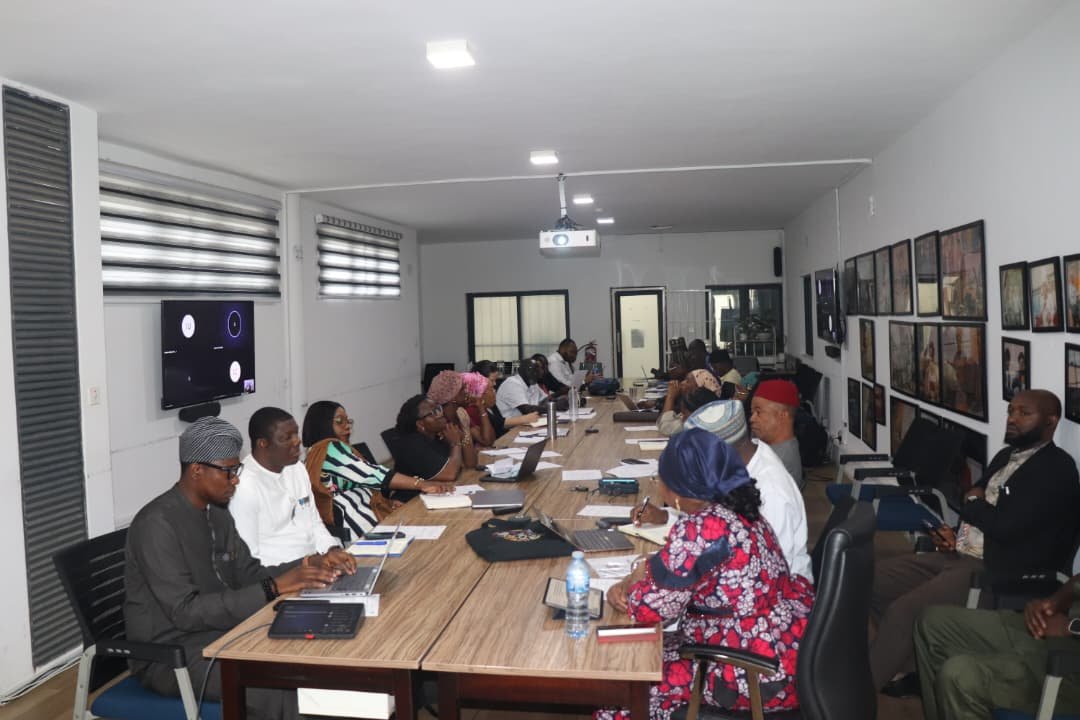
This commitment was reaffirmed by the Permanent Secretary, Federal Ministry of Livestock Development, Dr. Chinyere Ijeoma Akujobi, during a stakeholders’ engagement workshop on the development of a Climate-Sensitive Development Plan for the Nigeria Livestock Growth Acceleration Strategy (NL-GAS), held in Abuja on Thursday.
Speaking at the event, Dr. Akujobi described the engagement as a critical step toward embedding climate-responsive planning into the livestock sector, noting that the initiative aligns with both mitigation and adaptation strategies needed to address growing climate vulnerabilities.
She emphasized that the government’s vision extends beyond increasing livestock numbers to transforming the entire ecosystem into one that is efficient, inclusive, resilient, and globally competitive.
She further stated that the initiative seeks to transition Nigeria from subsistence livestock practices to a modern, commercially viable system capable of delivering value across the entire production chain.
According to her, adopting climate-smart livestock practices will not only reduce emissions but also enhance productivity across the sector.
Highlighting the sector’s economic relevance, the Permanent Secretary noted that livestock remains a critical pillar of Nigeria’s rural economy, contributing between 3–5 percent to the nation’s GDP, with an estimated value of $32 billion. She added that it supports millions of livelihoods nationwide, serving as a major source of income, nutrition, and cultural identity.
Dr. Akujobi also pointed to the vast opportunities embedded across livestock value chains, including leather, dairy, meat, egg production, processing, cold-chain distribution, and veterinary services. She explained that these components are central to the NL-GAS framework, which is designed to unlock sector-wide potential amid climate variability, land degradation, and population pressures.
In a technical presentation, Director Technical in the Office of the Permanent Secretary, Dr. Alike Peter, noted that the strategic goal of the forum is to develop a practical roadmap that accelerates productivity through modern techniques. He described NL-GAS as a transformational initiative that repositions livestock from a traditionally narrow focus on animal rearing to a comprehensive, value chain-driven sector.
Also speaking, Scientist at the International Livestock Research Institute (ILRI), Kenya, Laura Cramer, pledged the institute’s support in partnering with the ministry to develop and implement a climate-sensitive strategy for the livestock sector.
The workshop drew participation from key stakeholders, including representatives from GIZ, FAO, SAHEL Consulting, the National Council on Climate Change (NCCC), Christian Aid, the Federal Ministry of Environment, and the Ministry’s Technical Working Group, among others.