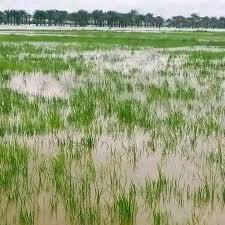

The Human and Environmental Development Agenda (HEDA) Resource Centre has issued an advisory on the 2026 flood outlook, warning farmers and stakeholders of widespread risks across Nigeria.
The Executive Secretary of the HEDA Resource Centre, Suleimon Arigbabu, revealed this in an interview on Thursday in Lagos.
The forecast by the Nigeria Hydrological Services Agency shows 4.2 million hectares of cropland at risk during the flood season.
According to the forecast, 14,158 communities in 34 states and the FCT face a high risk during July–September, while 11,575 communities in 31 states face a risk of flooding in October–November.
In his interview, Arigbabu identified Kogi, Niger, Delta, Anambra, Benue, Kebbi, Rivers, Bayelsa, Adamawa and Cross River as the most vulnerable to sustained flooding.
He said HEDA advisory explained three flood windows: April–June with low- to medium-risk, July–September peak flooding; and October–November ‘Black Flood’ driven by dam releases.
He warned rice farmers in floodplain states to harvest before October, noting that late-season crops are at risk of total loss during peak flooding.
“Maize farmers were urged to plant early to avoid damage during grain-filling, especially in northern and central states.
“Cassava and yam farmers in southern states are cautioned against waterlogging, which could cause root rot and reduced yields. Groundnut and cowpea farmers are advised to harvest before late September to avoid flood damage and contamination. Fadama farmers are warned to complete vegetable harvests before October to prevent total crop loss in flood-prone areas,” Arigbabu said.
Arigbabu said livestock farmers face flooding and disease risks, as well as dry-season water shortages in northern regions. He advised poultry farmers to stockpile feed and strengthen biosecurity to mitigate flood-related disruptions.
He urged fish farmers to reinforce ponds, while small ruminant farmers should relocate shelters and store feed early.
The expert called on governments to activate extension services, support farmers, and intensify community sensitisation.
He stressed that early preparation and use of the forecast could help reduce losses and protect livelihoods.