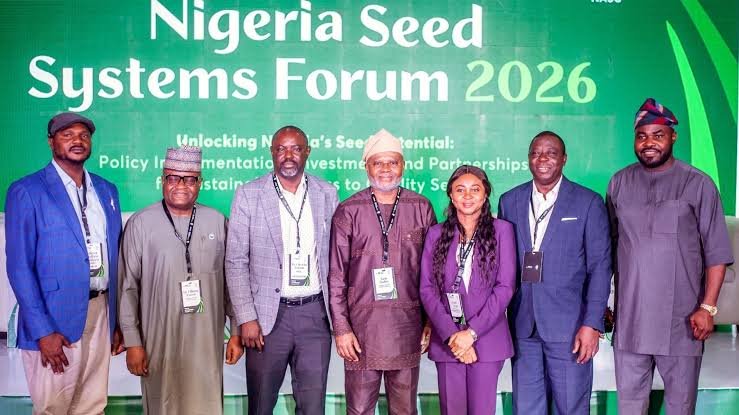

The National Agricultural Seeds Council (NASC) and the Foundation for Partnership Initiatives in the Niger Delta (PIND) have stepped up efforts to address weaknesses in Nigeria’s seed industry, with a new partnership targeting increased local production, improved financing and wider distribution of certified seeds.
The initiative is expected to strengthen the capacity of domestic seed businesses, improve regulatory processes and make quality planting materials more accessible and affordable to farmers.
The two organisations reached the agreement during a two day national stakeholder forum held in Abuja on November 10 and 11, under the theme, “Unlocking Nigeria’s Seed Potential: Policy Implementation, Investment and Partnerships for Sustainable Access to Quality Seed.”
The meeting brought together government regulators, agricultural researchers, seed producers, financial institutions, agro dealers, farmers’ representatives and development partners to discuss practical measures for building a more competitive and reliable seed industry.
A major concern raised at the gathering was the difficulty many farmers face in obtaining certified seeds when needed, despite ongoing improvements in Nigeria’s seed regulatory framework.
Stakeholders identified rising production expenses, inadequate funding, poor distribution networks, concerns over seed quality and the slow movement of research innovations into commercial production as issues requiring urgent attention.
Speaking on behalf of NASC Director General, Fatuhu Muhammed, the council’s Director of Plant Protection, Okelola Folarin, said the success of the seed industry should be assessed by its ability to provide farmers with dependable seeds at affordable prices and within the appropriate planting season.
He noted that bringing regulators, researchers, producers, investors and distributors together had created an opportunity to move from isolated discussions to a coordinated approach with clearly defined responsibilities.
Muhammed also emphasised the need to increase investment in domestic seed research and development, explaining that stronger local production would help reduce Nigeria’s reliance on imported planting materials.
PIND Executive Director, Sam Ogbemi Daibo, said the engagement represented a shift from repeatedly discussing challenges in the agricultural sector to identifying institutions and stakeholders responsible for delivering solutions.
He maintained that the impact of the agreement would ultimately depend on its ability to strengthen businesses, build confidence in the seed market and guarantee farmers consistent access to quality products.
The Executive Secretary of the Seed Entrepreneurs Association of Nigeria, Stephen Oludapo Adigun, called for financing arrangements that reflect the peculiar business cycle of seed producers, particularly the seasonal nature of production and sales.
Country Director of IDH Nigeria, Prof. Eniola Fabusoro, also highlighted the importance of training, improved seed management and stronger institutional partnerships in ensuring that agreed interventions produce tangible results.