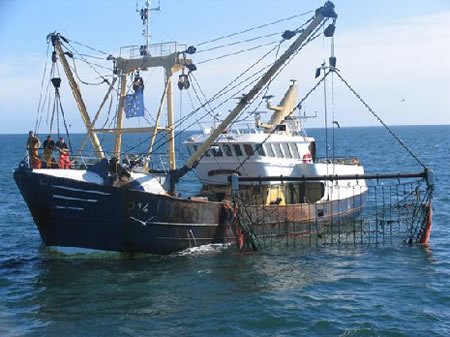

Nigeria’s fishing industry is facing a deepening crisis as more than 80 percent of trawling vessels have been forced out of operation due to the sharp rise in diesel prices, significantly reducing fish supply and driving up market prices.
Findings at the Ijora Fish Market revealed a noticeable decline in the volume of fish supplied by local trawlers, resulting in scarcity and increased cost of the commodity across major markets.
The National Executive Secretary of the Fisheries Cooperatives Federation of Nigeria, Oladele Robinson, disclosed that both artisanal and industrial operators are struggling under the weight of rising fuel costs, which have made fishing operations increasingly unsustainable.
He explained that while small-scale fishermen depend on Premium Motor Spirit (PMS) to power their boats, industrial trawlers rely entirely on diesel, also known as Automated Gas Oil (AGO).
According to him, many operators now return from fishing trips without enough catch to offset fuel expenses, worsening the financial strain on the sector.
Industry sources further revealed that diesel prices have surged from about ₦900 per litre to between ₦1,800 and ₦2,000, representing an increase of over 100 percent.
This spike has made it nearly impossible to fund long fishing expeditions, particularly trips lasting up to 50 days, which now guarantee heavy financial losses.
The situation has compelled many operators to dock their vessels rather than continue operations at a loss, pushing the industry into what stakeholders describe as a critical state.
Concerns are also mounting over the broader economic implications, particularly on food security, as fish remains one of the most affordable sources of protein for millions of Nigerians.
A prolonged shortage, stakeholders warn, could further strain household budgets and nutrition levels.
In addition, the crisis threatens employment across the value chain, with nearly 10,000 direct and indirect jobs at risk if urgent intervention is not implemented.
The surge in diesel prices has been partly linked to global market disruptions, including tensions involving Iran, which continue to impact oil and gas logistics worldwide.
Stakeholders, however, insist that targeted government support, such as subsidies or intervention funds, is urgently needed to stabilise the sector.
They emphasised that unlike other industries, fishing operations rely entirely on diesel, leaving operators with no alternative energy source and making the current situation particularly severe.