
Agricultural programme coordinators have outlined measures to expand access to mechanization for Nigerian farmers, with a focus on financing, women and youth participation, cooperative-based equipment services and stronger private-sector partnerships.
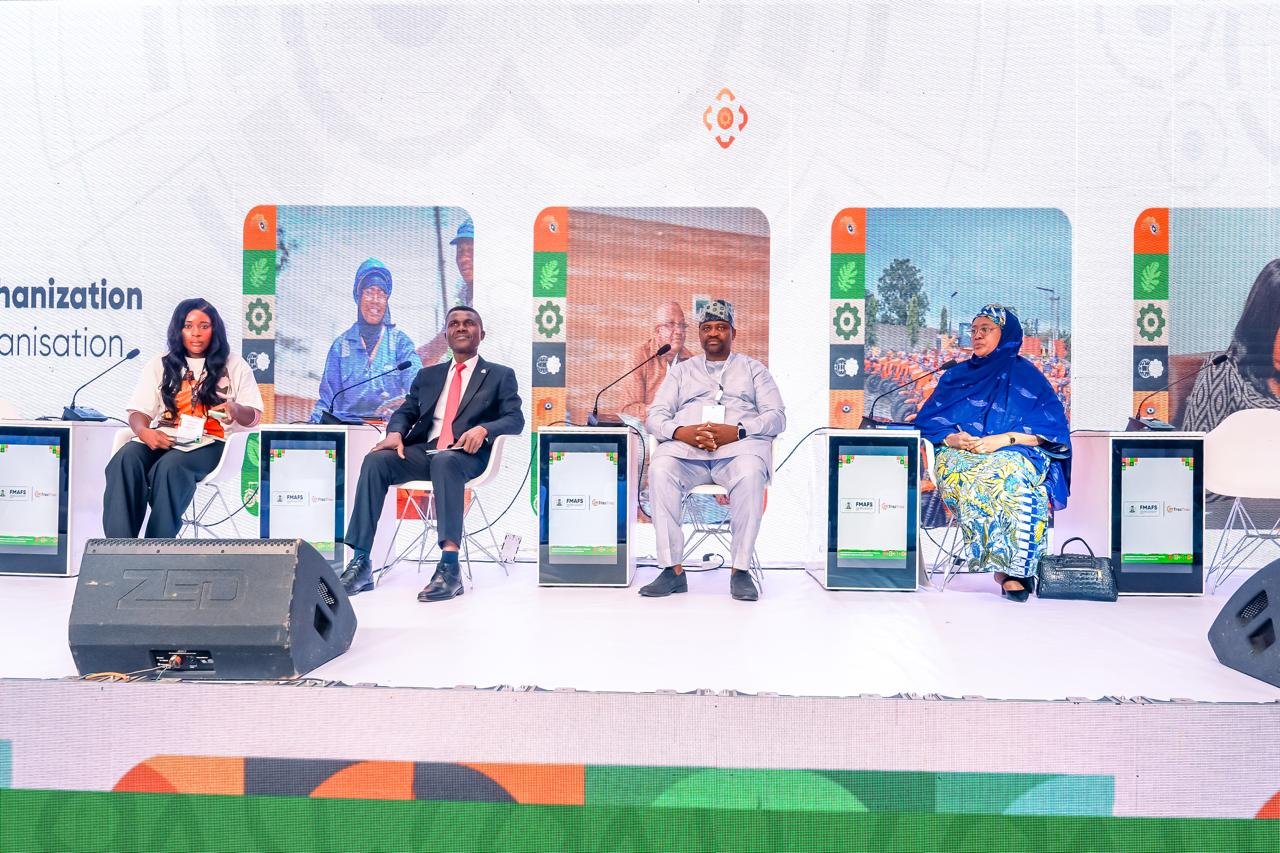
The strategy was discussed during a high-level panel session in Abuja involving officials of the Federal Government/IFAD Value Chain Development Programme (VCDP), Livelihood Improvement Family Enterprises Project for the Niger Delta (LIFE-ND), and the Special Agro-Industrial Processing Zones (SAPZ) Programme.
Speaking on financing mechanisms for agricultural equipment, the National Programme Coordinator of VCDP, Dr. Fatima Aliyu, called for mechanization services to be integrated into rural farming clusters to make equipment more accessible to smallholder farmers.
Aliyu said financing should be combined with technical training to enable young people to fabricate, operate and maintain agricultural machinery locally.
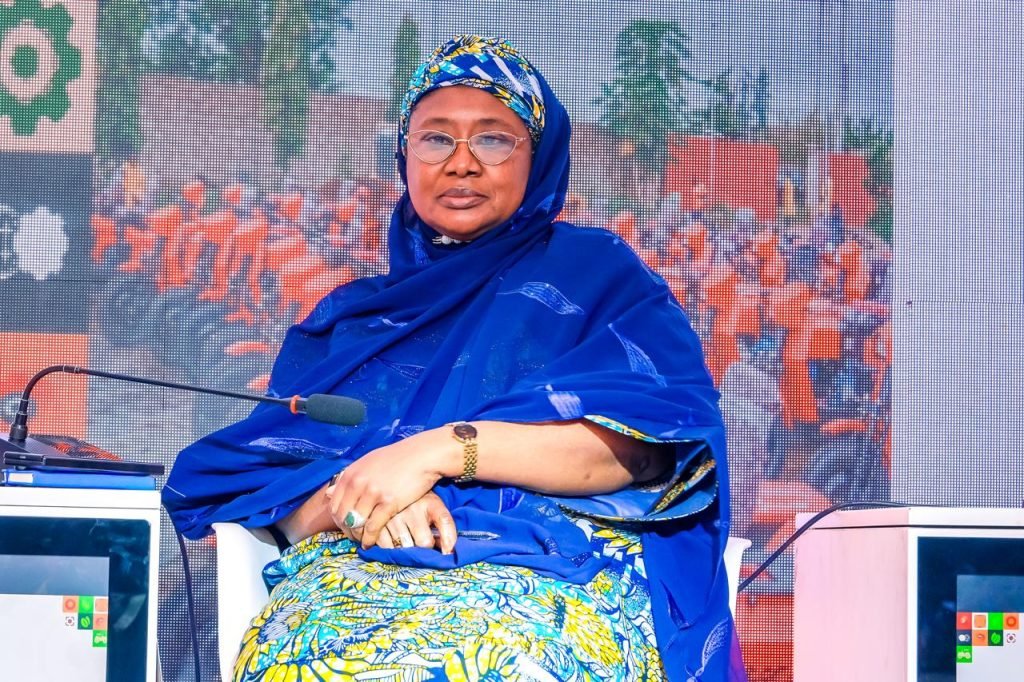
She also advocated a shift from individual ownership of expensive equipment to cooperative-based mechanization clusters, where farmers can access machinery on a pay-as-you-use basis.
According to her, public-private partnerships would be critical to developing commercially viable mechanization services and ensuring that equipment remains properly maintained and available to farmers.
On inclusive mechanization, the National Programme Coordinator of LIFE-ND, Dr. Abiodun Sanni, called for the deployment of equipment specifically designed to meet the needs of women and young farmers.
He identified motorized weeders, cassava harvesters and solar-powered processing mills among the equipment that could improve productivity and reduce the physical burden on farmers.
Sanni also proposed training rural youths as Mechanization Service Providers (MSPs), enabling them to provide equipment operation, maintenance and leasing services to farmers.
He further advocated subsidised leasing arrangements, flexible repayment systems and cooperative ownership models to expand mechanization into harvesting and post-harvest processing.
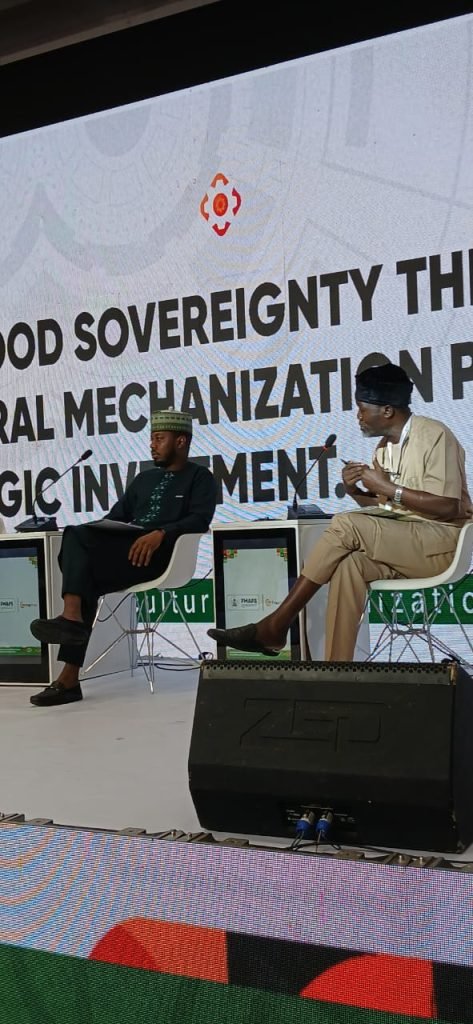
The National Programme Coordinator of SAPZ, Dr. Kabir Yusuf, said the programme would seek to connect smallholder women and youth outgrower networks to high-capacity processing centres through shared mechanization facilities.
Yusuf emphasised the importance of private-sector-led mechanization service hubs supported by concessionary financing to improve equipment maintenance and availability.
He also identified digital technology as an important component of the strategy, highlighting mobile platforms for tractor bookings, farmland geo-mapping and standardised safety guidelines for machinery operators.
The programme coordinators agreed that sustainable mechanization would require stronger collaboration between government, development partners, financial institutions, private investors, cooperatives and farmers.
The proposed approach is expected to improve access to agricultural machinery while creating new business and employment opportunities for women and young people across Nigeria’s agricultural value chains.