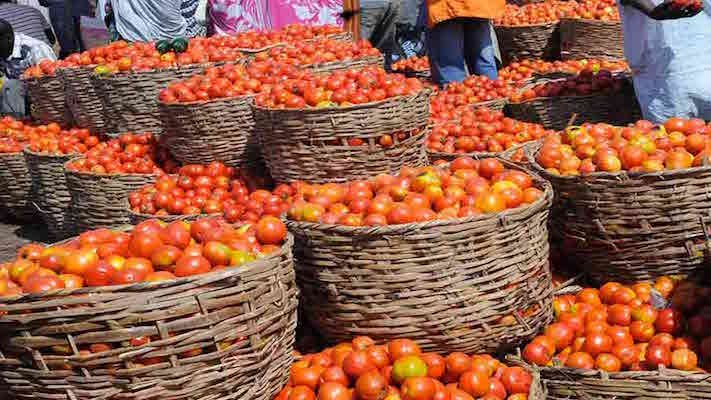

The Kaduna State Chairman of the Tomatoes Growers and Processors Association of Nigeria (TOPAN), Mr. Rabiu Zuntu, has raised concerns over an imminent rise in tomato prices, warning that consumers may face higher costs between May and June 2026 due to seasonal production challenges.
Speaking with journalists in Lagos, Zuntu explained that while tomato farming continues across northern Nigeria throughout the year, output and quality are not always consistent because of changing weather conditions. He noted that the intense heat commonly experienced during the period in question significantly affects crop performance.
According to him, tomato plants are particularly vulnerable to extreme temperatures, which often lead to reduced yields. As a result, supply typically declines during this window, creating pressure on market prices.
He pointed out that farming activities are currently ongoing at varying stages in different locations. While some farmers are harvesting, others are still in the process of transplanting. Although the commodity remains available in markets, he said prices have already started to climb gradually.
Zuntu advised buyers to take advantage of current supply levels, noting that scarcity is a recurring issue around the middle of the year. He emphasized that the anticipated price increase is tied to the seasonal drop in production rather than any artificial factors.
Providing current market figures, he disclosed that a 50kg basket of tomatoes now sells for about ₦20,000, a sharp increase from the ₦7,000 to ₦10,000 range recorded earlier in the year. In the same vein, the price of a crate has risen to between ₦10,000 and ₦15,000, compared to ₦5,000 to ₦6,500 previously.
He further explained that supply from major producing areas is beginning to shrink. In Kano State, where farmers recently recorded a strong harvest, activities are gradually winding down. This has forced buyers to turn to Kaduna and parts of Plateau State for supplies.
Zuntu stressed that the current situation reflects basic market forces, noting that reduced supply alongside sustained demand is naturally pushing prices upward.